Brewing Tips

Dreaming About Starbucks? Recreate Café Like Coffee at Home
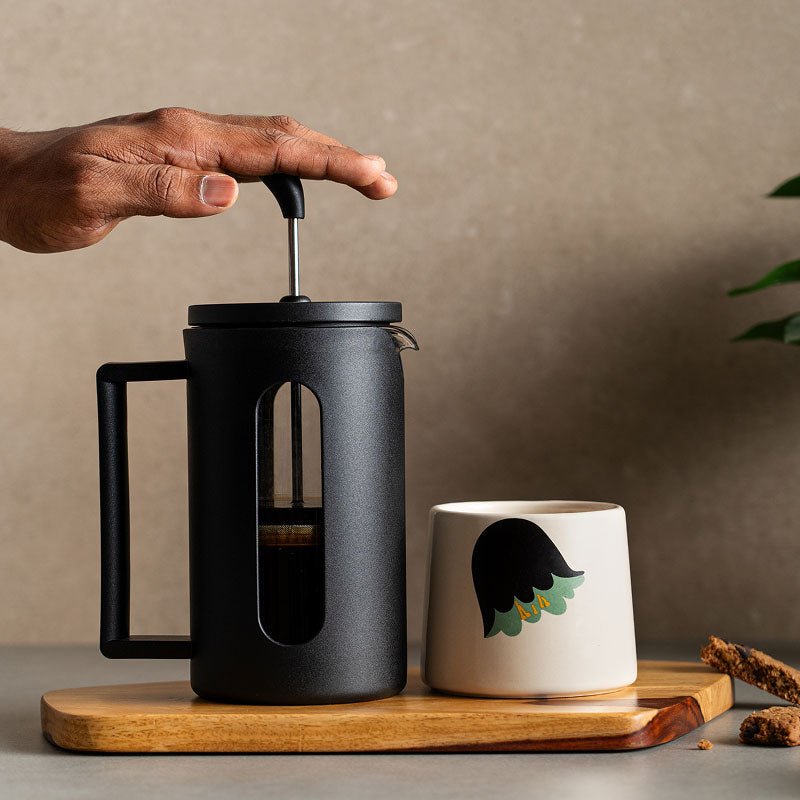
Hey, are you reminiscing about your Starbucks visits while sipping your home coffee? From mouth-watering macchiatos to invigorating iced beverages, you miss them all and we can feel you! But you know, what? - You can actually try brewing Starbucks and café-like coffee at home. This blog is all about the best tips and tricks in recreating café like coffee at home. Coffee makers Just so you get the best results or Starbucks-like coffee, you need the coolest coffee makers like Fellow Stag Pour Over for a black coffee or machines like a Rancilio and Lelit for a perfect espresso. So if you’re accustomed to delicious coffee every morning, these coffee makers will give it to you. Coffee beans Get Starbucks and café-like coffee with the highest quality Arabica beans that are roasted to perfection and give a sweet caramel flavour. Grind fresh and right Fresh grounds always yield the best brew, as opposed to pre-ground batches. Grind size does matter, so make sure you’re using the correct method and grinder to give the right size of coffee grounds. Use proper water and coffee ratio Messing up coffee means you’ve used an incorrect proportion of coffee and water. Too much coffee means a bitter cup while too much of water often results in a diluted extraction. Experiment with different brewing methods There is no set standard to make coffee. You can get a very good cup of coffee from a fairly priced coffee pot, or you can try other methods like the Pour-Over or Chemex and French Press. Coffee made from these brewing methods yield the most superior cup of coffee. Use syrups and milks Dress up your coffee with creamers, syrups and milks to give a rich flavour that you enjoy at Starbucks. For hazelnut Lattes, get special syrups and try out different milk options to get the taste you’re looking for! So what are you waiting for? Just get started already with all things coffee and you’ll be on your way to making Mochas, Lattes and Frappuccino’s in no time!
Read more