Green coffee comes up a lot in health and coffee circles, and the information floating around is often contradictory. Some sources treat it as a near miracle supplement, others dismiss it entirely, and neither extreme reflects what the actual research shows. Here's what green coffee actually is, and which claims about it hold up.
What Green Coffee Actually Is
Green coffee is simply unroasted coffee beans, raw, with a flavour that leans closer to a tisane than to the coffee most people know. The beans are harvested, removed from the surrounding coffee cherry, and dried, but never taken through the roasting process that develops the caramelized, aromatic flavour associated with a typical cup. Because of this, green coffee tastes noticeably grassy and vegetal, which is part of why it's rarely brewed and drunk the same way as roasted coffee.
Its appeal in health circles centers on chlorogenic acid, a compound present in much higher concentration in unroasted beans than in roasted ones, since roasting breaks down a significant portion of it through heat exposure. Some research has looked at chlorogenic acid's potential effects on metabolism and blood sugar response, though the evidence is still developing rather than settled, and it's not a substitute for medical advice or treatment for any existing condition. Anyone considering green coffee extract specifically as a supplement, rather than just brewing the beans occasionally, should treat it the same way they would any other supplement and check with a doctor first, particularly if already on medication.
Myth: Green Coffee Does Not Contain Caffeine
Fact: Green coffee beans contain roughly the same amount of caffeine as roasted beans. Roasting affects flavour and reduces the levels of certain compounds significantly, but caffeine itself is fairly heat stable and isn't meaningfully stripped out during roasting. If you're drawn to green coffee specifically because you assumed it was a lower caffeine option, that assumption doesn't hold up.
Myth: Green Coffee Guarantees Faster Weight Loss
Fact: Some studies suggest green coffee may offer a modest metabolic boost, in a similar direction to what regular black coffee provides, but it's not a guaranteed or dramatic weight loss solution on its own. Treating it as one, or drinking excessive amounts expecting faster results, isn't supported by the evidence and isn't a particularly healthy approach either way. Like most things related to metabolism and weight, consistency in overall diet and activity matters far more than any single ingredient.
Myth: Green Coffee Extract Is Just a Passing Trend
Fact: Green coffee extract has been used and studied for a while rather than appearing overnight as a fad tied to a single viral claim. That said, having been around for a while isn't the same as being proven, ongoing interest and continued research activity reflect a genuine area of study, not a settled scientific conclusion. It's reasonable to stay curious about it without treating every claim made about it as established fact.
Myth: Green Coffee Does Not Have Antioxidants
Fact: This one's backwards, green coffee generally contains more antioxidant compounds than roasted coffee, since roasting reduces some of these compounds along with the chlorogenic acid content as heat breaks them down. If antioxidant content specifically is your reason for exploring green coffee, the unroasted form is actually the stronger option compared to your usual roasted cup.
How to Brew Green Coffee at Home
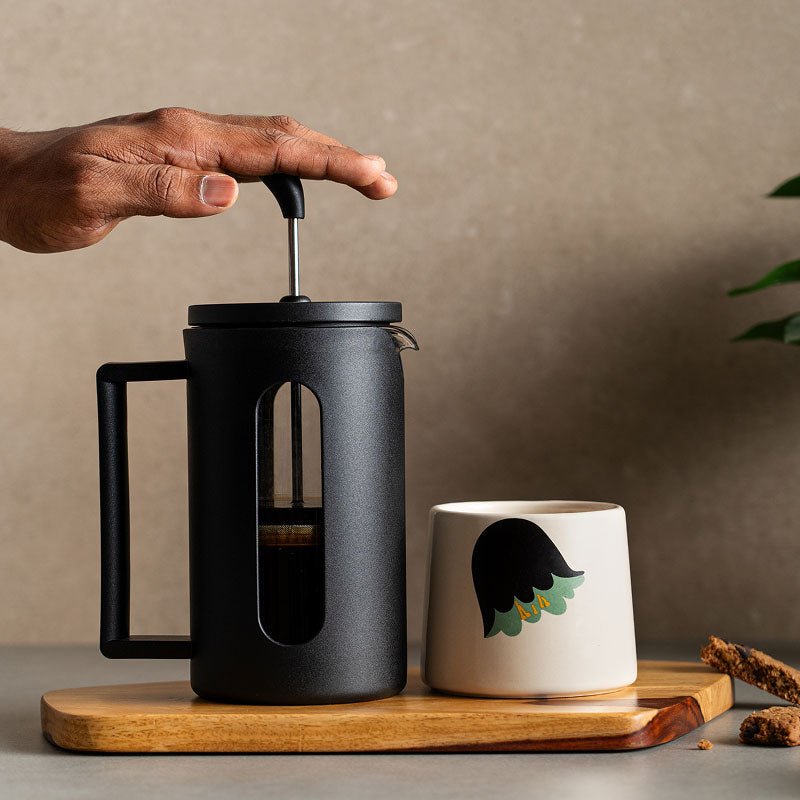
Green coffee is typically brewed differently from roasted coffee, closer to simmering than a quick pour over, since the denser, harder beans need more time and heat to release their compounds into water. A Turkish coffee pot or a French press both work well for this kind of longer contact brewing, and a dash of ginger is a popular addition if you want to soften the raw, grassy flavour into something more approachable. If you don't already own a French press, the Budan Black French Press at Rs. 849 or the Timemore U French Press at Rs. 1,999 both handle green coffee brewing just as well as they handle roasted coffee, no separate equipment needed.
If you'd rather explore roasted specialty beans instead of venturing into green coffee, the full coffee range covers single origin and blended options across multiple independent roasters, worth a look if the grassy, herbal profile of green coffee isn't quite what you're after.