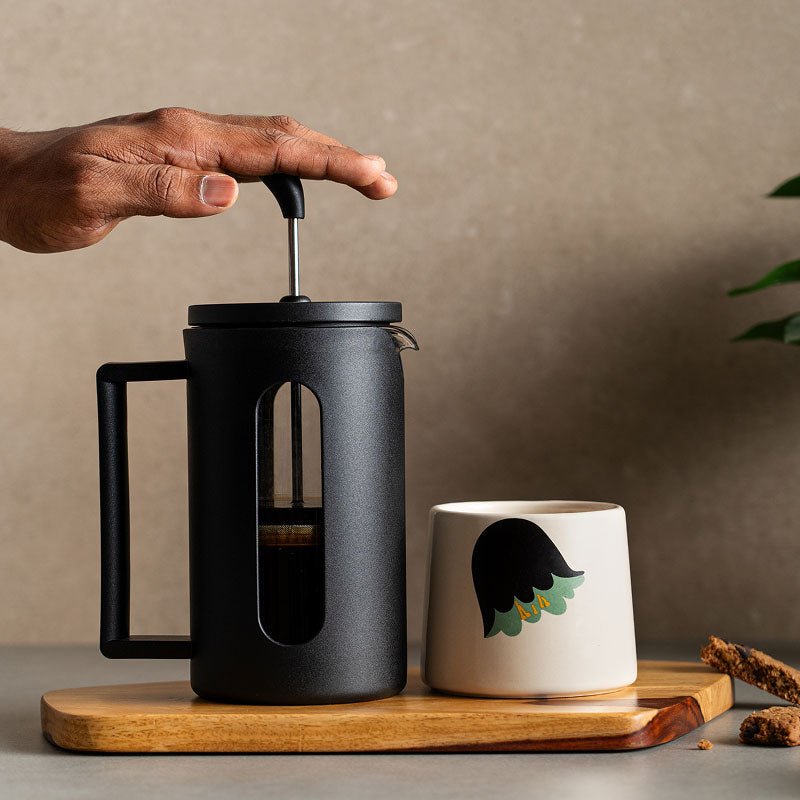
A drip brewer makes coffee by letting hot water pass through a bed of medium ground coffee and a filter, using gravity alone. No pressure, no immersion, just a slow, even pour that produces a clean, light bodied cup with clear flavour separation.
It is the method most specialty cafes use for filter coffee, and it is the cheapest way to make genuinely good coffee at home. Something's Brewing stocks 17 drip coffee brewers and pour over drippers from Hario, Timemore, Kalita, Fellow and Clever Coffee, priced from Rs. 499 to Rs. 5,999.
What is a drip brewer
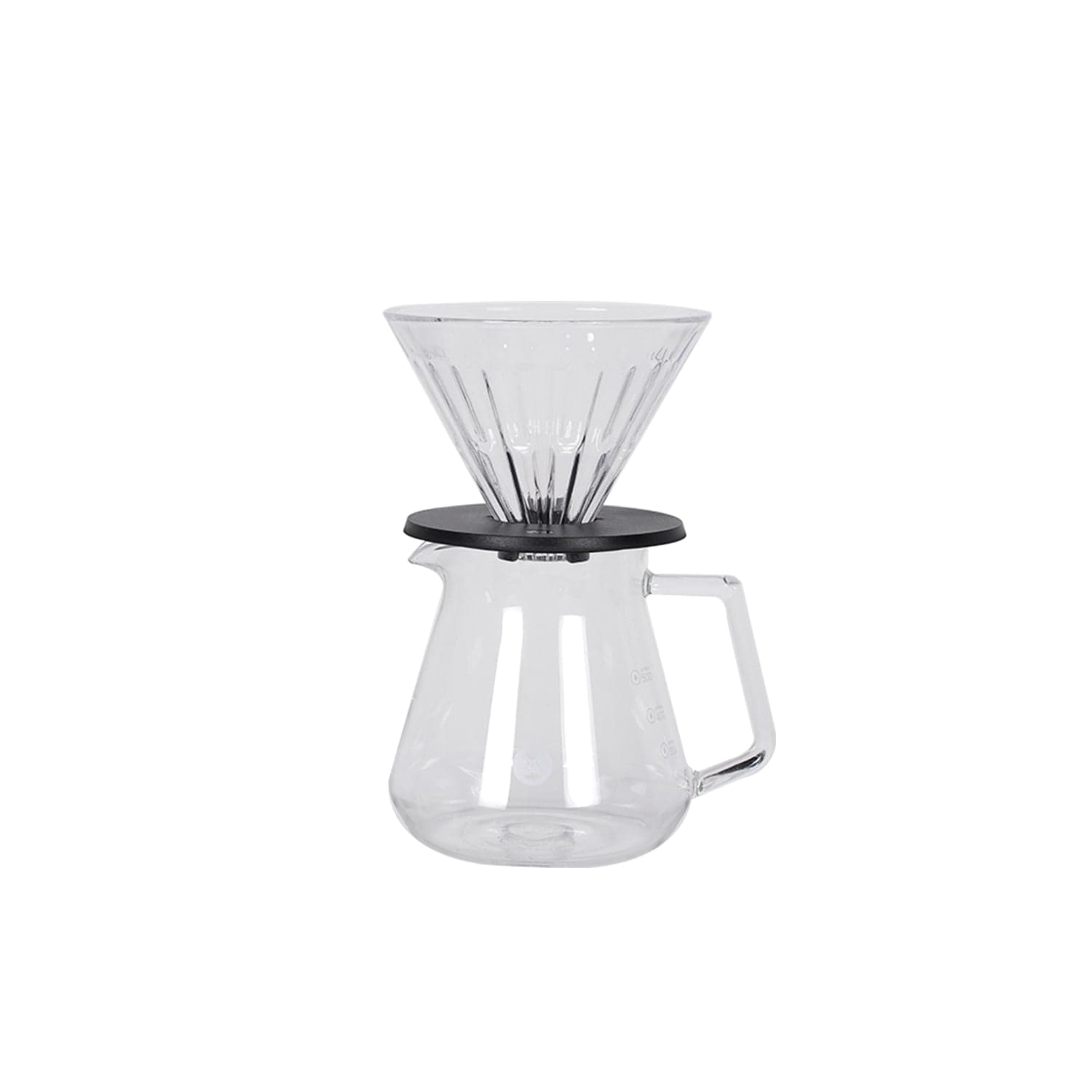
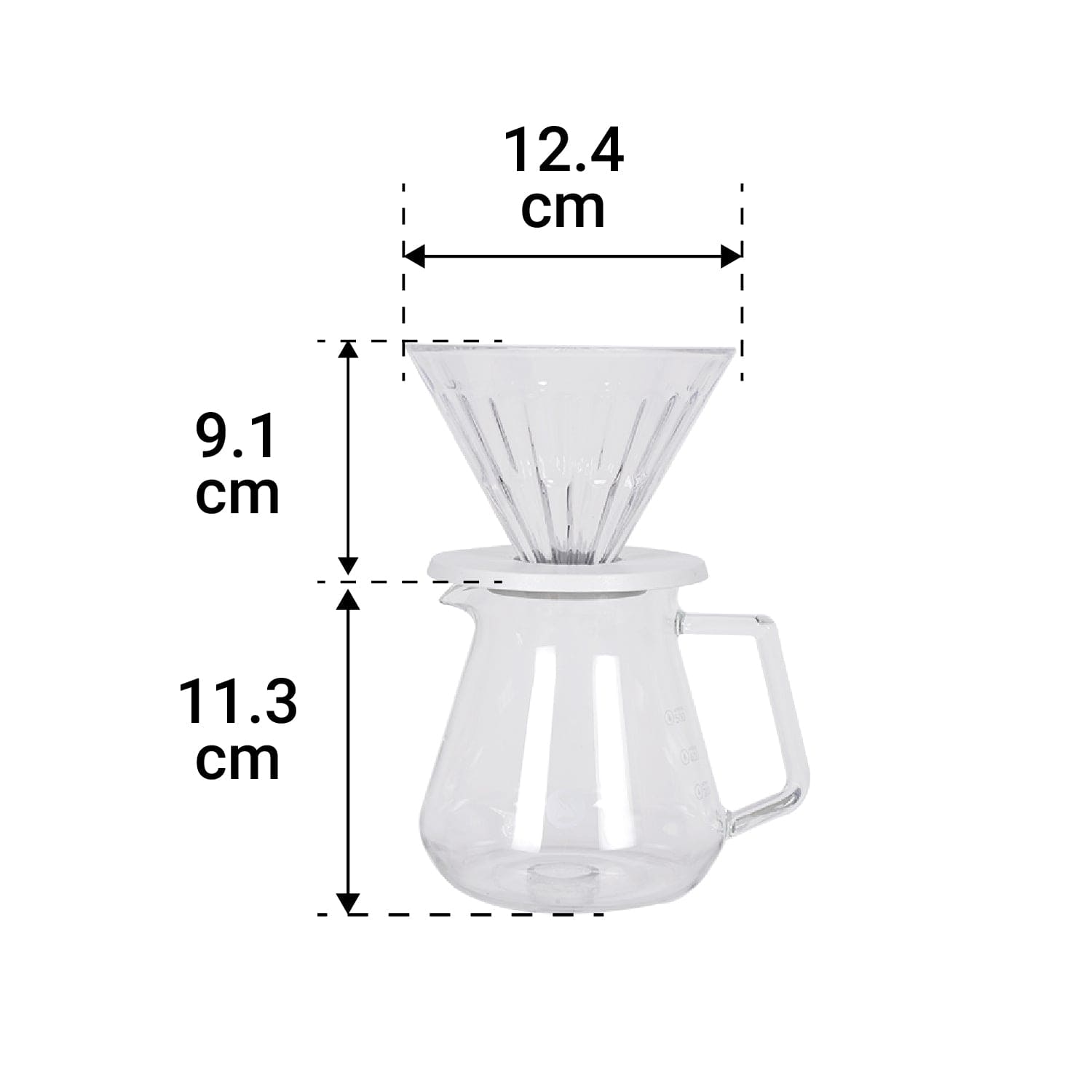
A drip brewer is a cone or flat bottomed dripper that holds a filter and coffee grounds, sitting over a cup or server. You pour hot water over the grounds in stages, and the brewed coffee drips through into the vessel below.
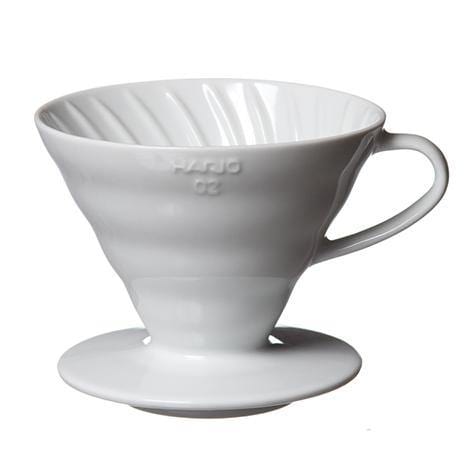
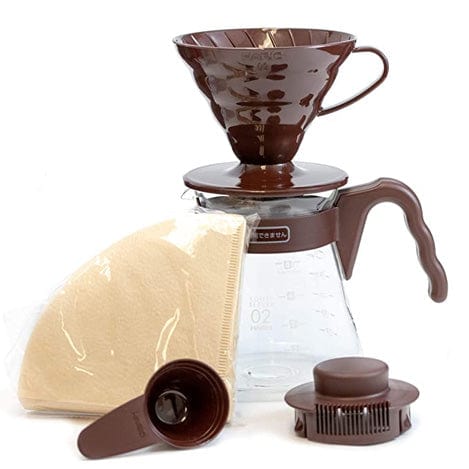
The dripper shape changes the cup. Cone shaped drippers like the Hario V60 channel water toward a single large hole, giving a faster flow and a brighter, more delicate result that rewards precise pouring. Flat bottomed drippers like the Kalita Wave hold the coffee in an even bed with three small holes, slowing the flow and producing a rounder, more forgiving cup.
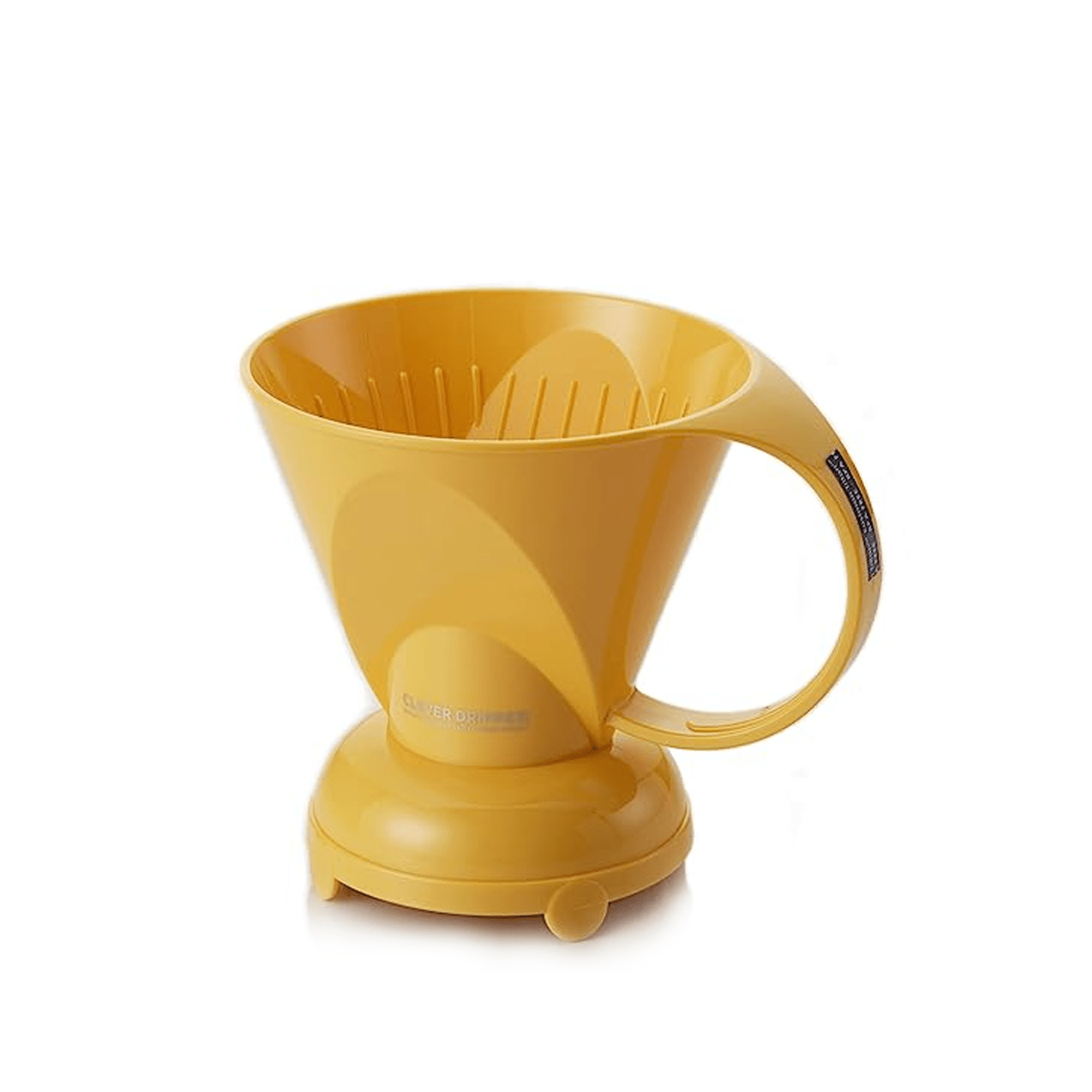
The Clever Coffee Dripper works differently again. It uses a valve that holds the water in, letting the coffee steep like a French press before releasing it through a paper filter, which gives you immersion body with filter clarity.
What to look for in a pour over dripper
Material affects heat retention more than anything else. Ceramic holds temperature best but needs preheating and is heavier. Glass sits between the two and lets you watch the brew. Plastic is light, cheap, unbreakable and surprisingly good at holding heat, which is why plastic V60s remain popular with competition baristas.
Stainless steel is the most durable and the option to choose if the brewer is going into a bag, though a dedicated travel coffee maker packs down further.
Size follows how much you brew. Size 01 makes one to two cups, size 02 makes two to four. Buying a large dripper and half filling it produces a shallow, uneven bed, so size it to your usual batch.
Servers and sets matter if you brew for more than one. A dripper paired with a coffee server gives you a carafe to brew into and pour from, rather than balancing the dripper on a single mug.
How to brew coffee in a drip brewer
Use 15g of medium ground coffee to 250ml of water at around 93 degrees Celsius, and aim to finish the brew in about three minutes.
- Fold the filter, seat it in the dripper and rinse it with hot water. This removes any papery taste and preheats the brewer.
- Add the ground coffee and level the bed with a gentle shake.
- Pour twice the coffee weight in water, so about 30ml, and wait 30 seconds while the grounds bloom and release carbon dioxide.
- Pour the remaining water in slow circles from the centre outward, in two or three stages, keeping the bed submerged but never overflowing.
- Let it drain fully, then remove the dripper and serve.
Water temperature is the step most people skip. A temperature control kettle takes the guesswork out, though letting a boiled kettle stand for 30 to 45 seconds gets you close enough.
If the brew finishes in under two minutes, grind finer. If it stalls past four, grind coarser.
What else you need to brew with a dripper
A drip brewer is one part of a three part setup, and the other two matter more than which dripper you choose.
- A grinder. Medium grind, roughly the texture of coarse sand. A burr grinder gives you the consistency that even extraction depends on.
- Filters. Sized to your dripper, since a filter folded to fit will collapse mid brew. The coffee filters range covers the common sizes.
- A scale. Optional, but it makes results repeatable. A coffee scale with 0.1g resolution is enough for the 1:16 ratio above.
Which drip coffee brewer should you buy
If you are new to pour over, start with a plastic V60 or a flat bottomed dripper, both of which are forgiving and inexpensive. If you have brewed before and want more control over the cup, a ceramic cone rewards a careful pour. If you want the easiest route to a clean, consistent cup, an immersion style dripper does most of the work for you.
Pair whichever you choose with freshly roasted coffee beans, since a dripper shows off good coffee and exposes stale coffee just as clearly. Serve it in something that holds heat, and the drinkware range covers cups built for that.









![Fellow Stagg [X] Pour - Over Dripper - Something's Brewing](http://somethingsbrewing.in/cdn/shop/files/fellow-stagg-x-pour-over-dripper-7567936.jpg?v=1754459545&width=1500)
![Fellow Stagg [X] Pour - Over Dripper - Something's Brewing](http://somethingsbrewing.in/cdn/shop/files/fellow-stagg-x-pour-over-dripper-2987947.jpg?v=1754459546&width=1500)