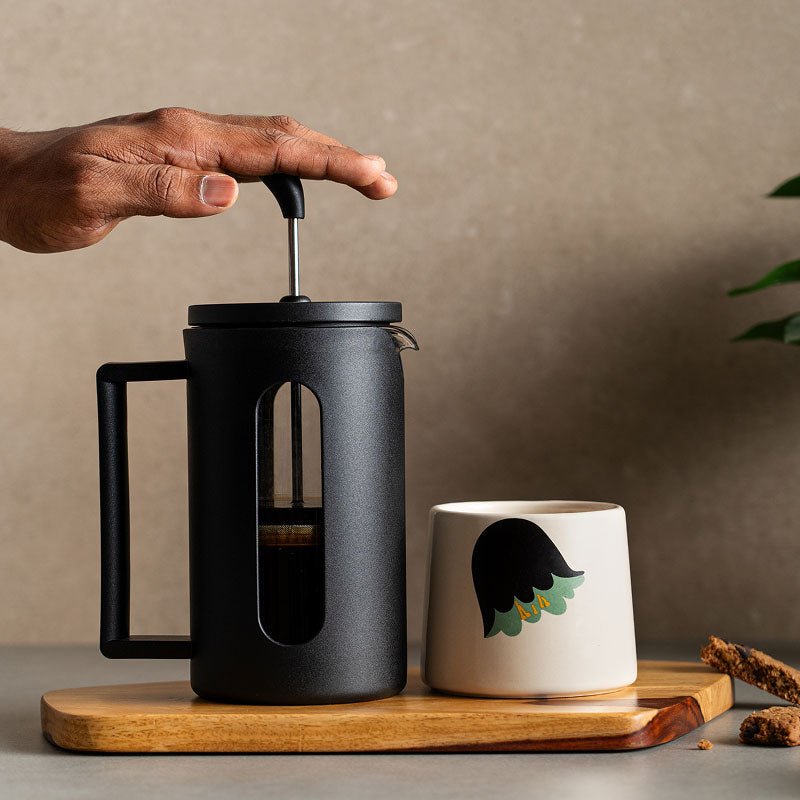
Koffie Genetics, the roastery behind the Genetics Coffee Roasters brand, describes itself simply as a curious little coffee roasting company based in Bangalore. The range bears that out. Rather than building a core lineup of reliable, repeat blends, genetics coffee roasters pushes into varieties most Indian roasters have not touched, processes most buyers have never encountered, and fermentation techniques borrowed from microbiology rather than tradition. The result is one of the most genuinely experimental collections of Indian specialty coffee available anywhere.
The Varieties Behind the Range
Understanding the Genetics Coffee Roasters range starts with understanding the varieties they work with, because variety shapes cup character in ways that processing and roasting alone cannot.
Arabica is the foundation of most lots in the collection. But alongside standard arabica, Genetics Coffee Roasters works with SL28, a variety originally developed by Scott Laboratories in Kenya in the 1920s for drought resistance and yield, and later celebrated globally for its exceptional cup quality, characterised by blackcurrant acidity, full body, and deep fruit complexity. Their SL28 lots come from the Ratnagiri Estate in Chikmagalur, Karnataka, where the variety has been cultivated with careful attention to cherry ripeness and fermentation control.
The Excelsa Naturals lot, sourced from the Dimbada Estate in Sakleshpur at 900 to 1,100 metres, works with a genuinely rare species. Excelsa (Coffea dewevrei) is one of the least commercially cultivated coffee species in the world, grown mostly in Vietnam, the Philippines, Uganda, and pockets of India. It carries naturally lower caffeine than arabica and produces a cup with vivid dark fruit, raisin, prune, and dried apricot notes that have very little in common with what most coffee drinkers expect from an Indian origin lot. Understanding what is in your cup and why it tastes the way it does is central to what genetics coffee roasters is trying to teach. Our SB Academy has detailed guides on coffee species, processing methods, and extraction science if you want to go deeper.
A Roastery Defined by Process Experimentation
Washed Lots
The Blossom Washed is the clearest expression of the estate's arabica character. Washed processing removes the fruit before drying, producing a clean, transparent cup where the natural sweetness and acidity of the bean come through without interference. The SL28 CM Honey from Ratnagiri Estate begins with the ripest cherries selected at a Brix reading of 24.5 before triple sorting and a 72-hour carbonic maceration fermentation in sealed stainless steel tanks. The mucilage is then retained during drying rather than washed off, placing this lot in honey process territory despite its fermentation origins. A Hario V60 brewer brings out the clarity and complexity of both washed and honey lots like these, giving you precise control over flow rate and extraction.
Natural Lots
The Blossom Naturals is the natural-processed counterpart to the washed, dried with the fruit intact to produce a cup with deeper sweetness, fuller body, and more layered fruit character. The Excelsa Naturals goes further, putting the already-unusual Excelsa species through a 110-hour sequential fermentation using yeast and lactic culture before drying, producing a cup with dark raisin, prune, and apricot layered over a syrupy, smooth mouthfeel. These are coffees where the Origami dripper, with its multiple rib patterns and flexible extraction, rewards patient brewers with exceptional results.
Experimental Process Lots
The Lactobacilius Culture lot uses lactic acid bacteria as the driver of fermentation, a technique borrowed directly from food microbiology that produces distinctive brightness and complex organic acid character in the cup. The Jack Sparrow Rum Barrel Aged coffee rests green coffee in rum barrels before roasting, absorbing residual spirit and oak flavour compounds that emerge as warmth and sweetness in the finished brew. These are coffees for the adventurous end of the spectrum, and brewing them with precision makes a significant difference to what you extract. A quality hand grinder gives you the grind consistency that experimental process coffees require to express themselves cleanly.
Tasting Across the Range
With ten distinct coffees spanning multiple varieties, processing methods, and roast levels, the Genetics Coffee Roasters collection is ideally suited to side-by-side tasting. Cupping is the formal method used by specialty roasters and Q-Graders to evaluate and compare coffees, and it is one of the most rewarding ways to understand how variety and process create different outcomes from the same origin. Our cupping tools collection has everything you need to set up a proper home cupping session across multiple Genetics lots.