Pulling a shot of espresso is one of the most satisfying things you can do in a kitchen. A semi automatic espresso machine puts you in control of the process: you grind, dose, tamp, and decide when the shot is done. The machine handles the pump pressure. Everything else is yours to shape. That balance between automation and craft is what makes semi automatic machines the preferred choice for coffee enthusiasts who want café-like results without giving up the art of making them.
At Something's Brewing, we stock semi automatic espresso machines from Budan, De'Longhi, Lelit, La Marzocco, Rancilio, Bellezza Espresso, and Flair Espresso, ranging from Rs. 8,399 to Rs. 5,70,000 across beginner through professional skill levels.
The Machine That Rewards Skill
A semi automatic espresso machine is the only type of machine that genuinely grows with you. When you are starting out, you pull shots, taste the difference between over-extracted bitterness and under-extracted sourness, and adjust. Over weeks and months, your understanding of grind size, tamping pressure, and extraction time sharpens, and so does every cup you pull. No other home coffee machine offers that direct feedback loop between effort and result.
This is what separates semi automatic machines from fully automatic coffee machines, which prioritise convenience and consistency over craft. If you want to understand what makes espresso great from the inside out, a semi automatic machine is where that journey starts.
Understanding Espresso Extraction
Every shot of espresso is the result of hot water pushed through a bed of finely ground, tamped coffee at high pressure. Getting this right requires four variables to work in combination: grind size, dose, tamp pressure, and extraction time.
Grind size determines how tightly water flows through the coffee bed. Too coarse and the shot runs fast, producing a thin, sour, under-extracted result. Too fine and the shot chokes, running too slowly and extracting harsh, bitter compounds. The target for most espresso is 25 to 30 seconds for a double shot of 36 to 40ml from an 18g dose. Investing in a dedicated electric coffee grinder with precise micro-adjustment is the single most impactful upgrade you can make alongside your machine.
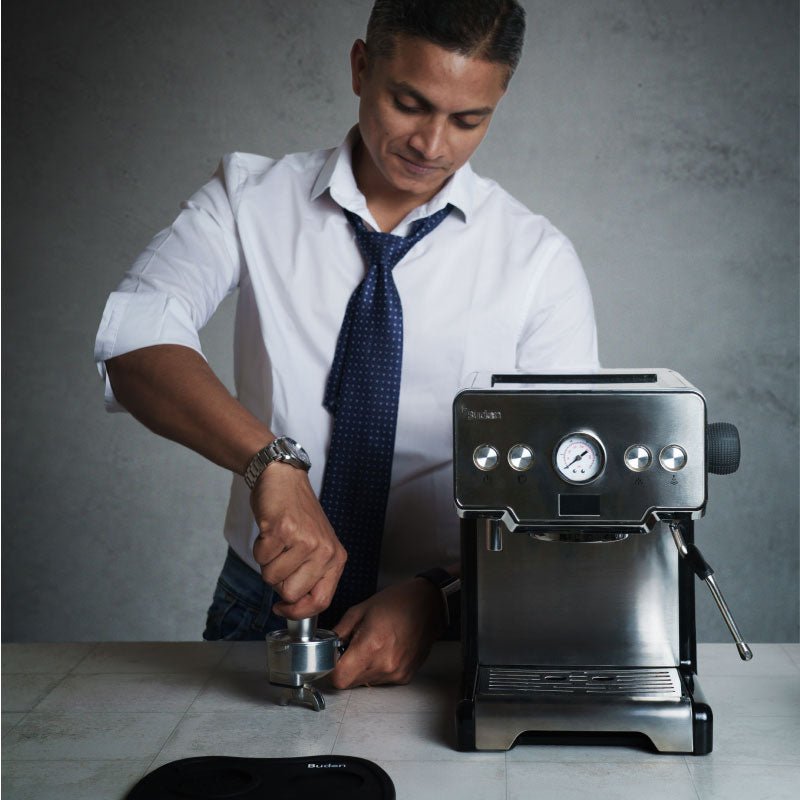
Tamping compresses the coffee bed to create even resistance against water flow. Uneven tamping causes channelling, where water finds the path of least resistance and extracts unevenly. A consistent, level tamp applied at roughly 15 to 20 kilograms of pressure is the foundation of every good shot. The portafilter you use matters too. Most machines in this collection use a 58mm portafilter, the industry standard, while some entry-level models use 51mm. An aftermarket bottomless portafilter lets you see the extraction flow in real time, which accelerates skill development considerably.
Boiler Types: The Most Important Technical Decision
The boiler type defines how your machine manages brewing temperature and steam production and is the single most important technical factor to understand before buying.
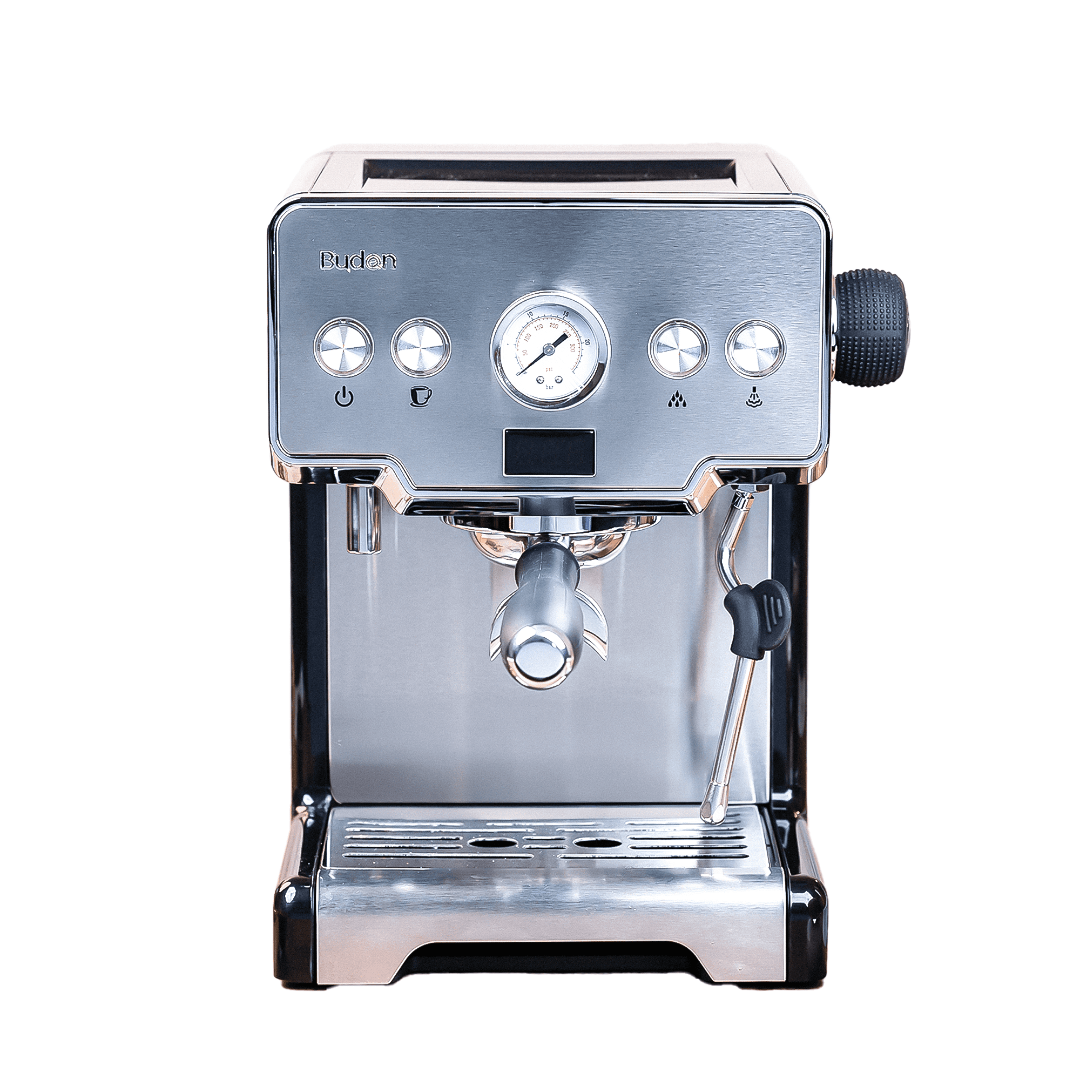
Thermoblock systems heat water on demand rather than storing it. They heat up quickly and suit lower daily volumes. Found in entry-level machines like the Budan Classic, Budan Bolt, and De'Longhi Dedica series.
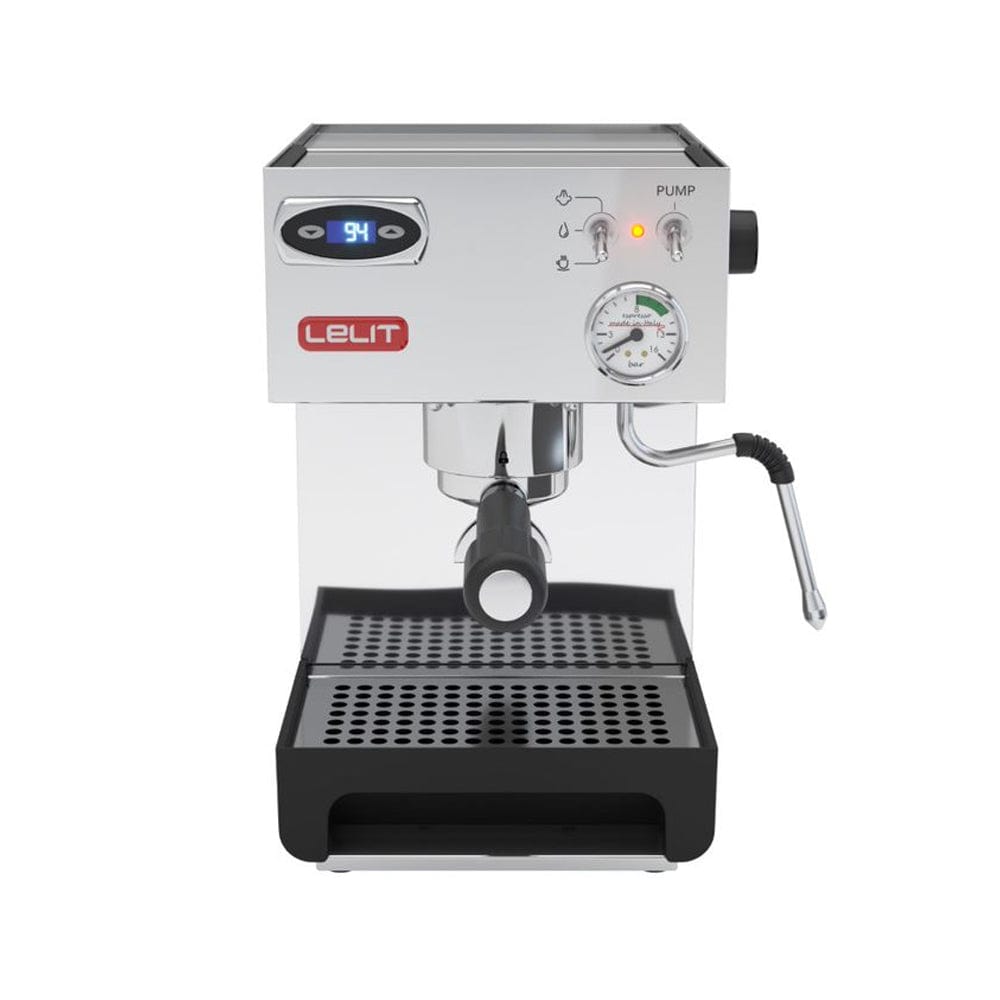
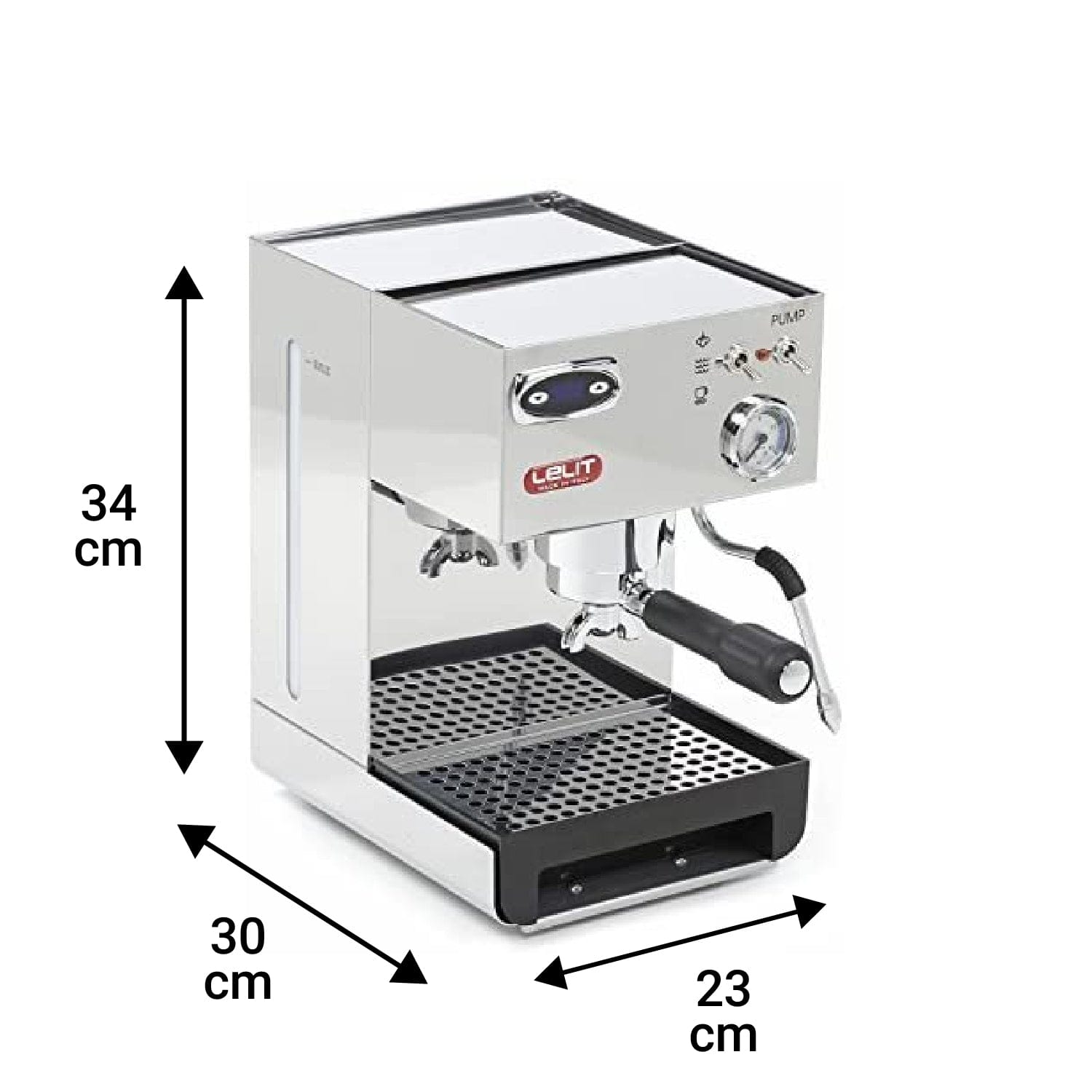
Single Boiler machines maintain one boiler at brewing temperature and require a switch to steam temperature for milk frothing, which takes 30 to 60 seconds. They produce excellent espresso quality at an accessible price. The Lelit Anna with PID is the benchmark single boiler machine in this collection.
Heat Exchanger machines use one boiler but run a copper pipe through it to heat brewing water separately, allowing espresso extraction and steaming simultaneously without switching modes. This suits intermediate to advanced users who want a faster café-style workflow.
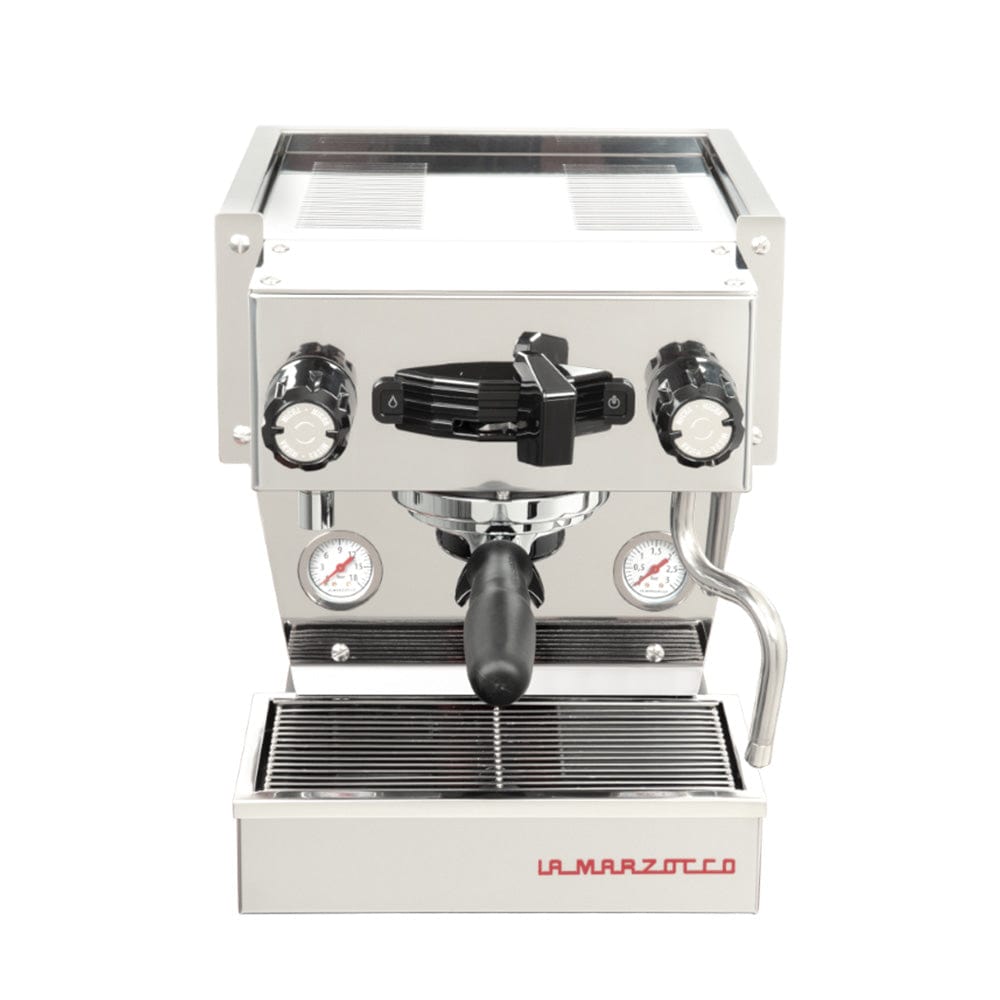
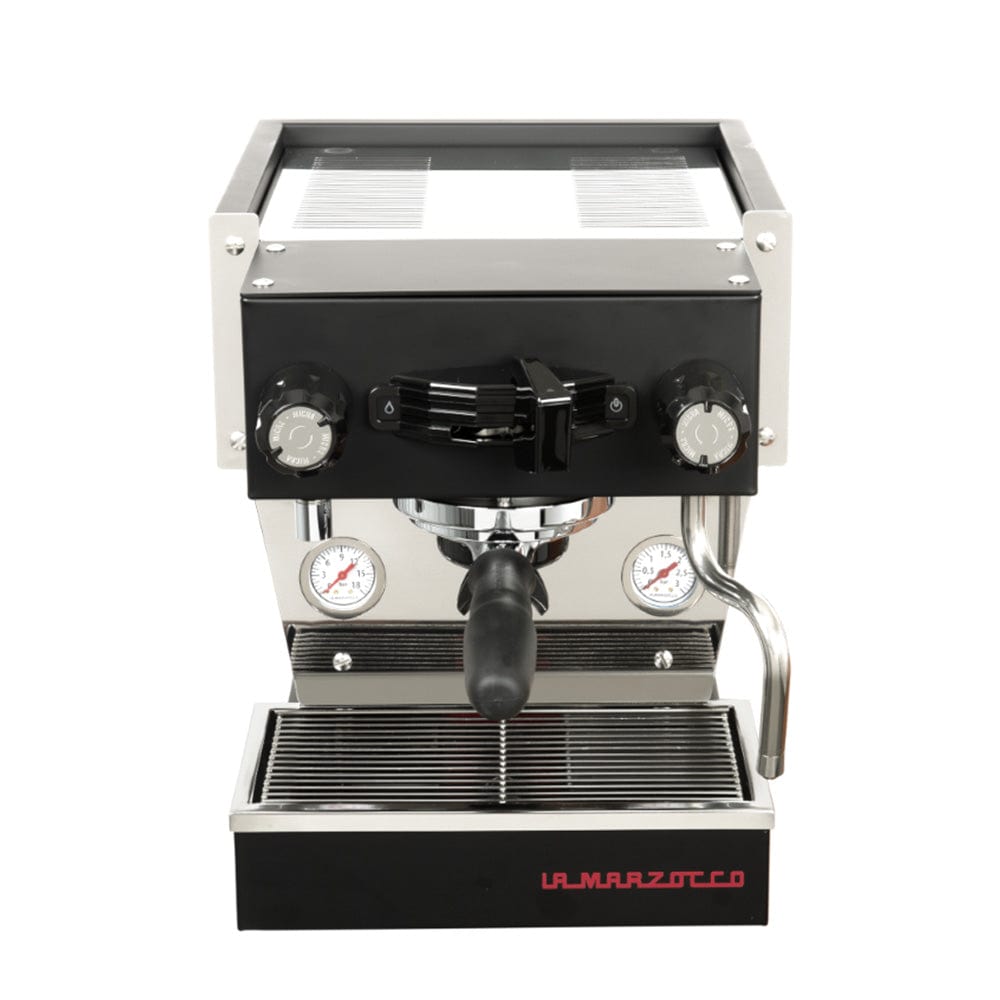
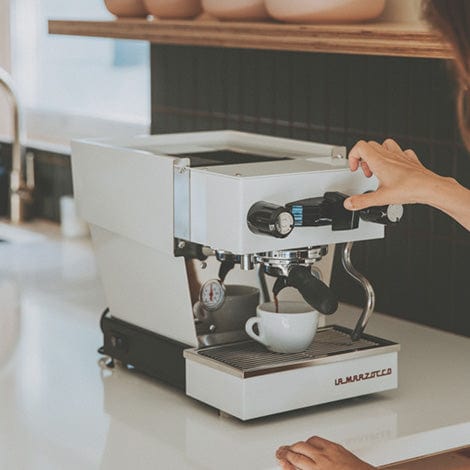
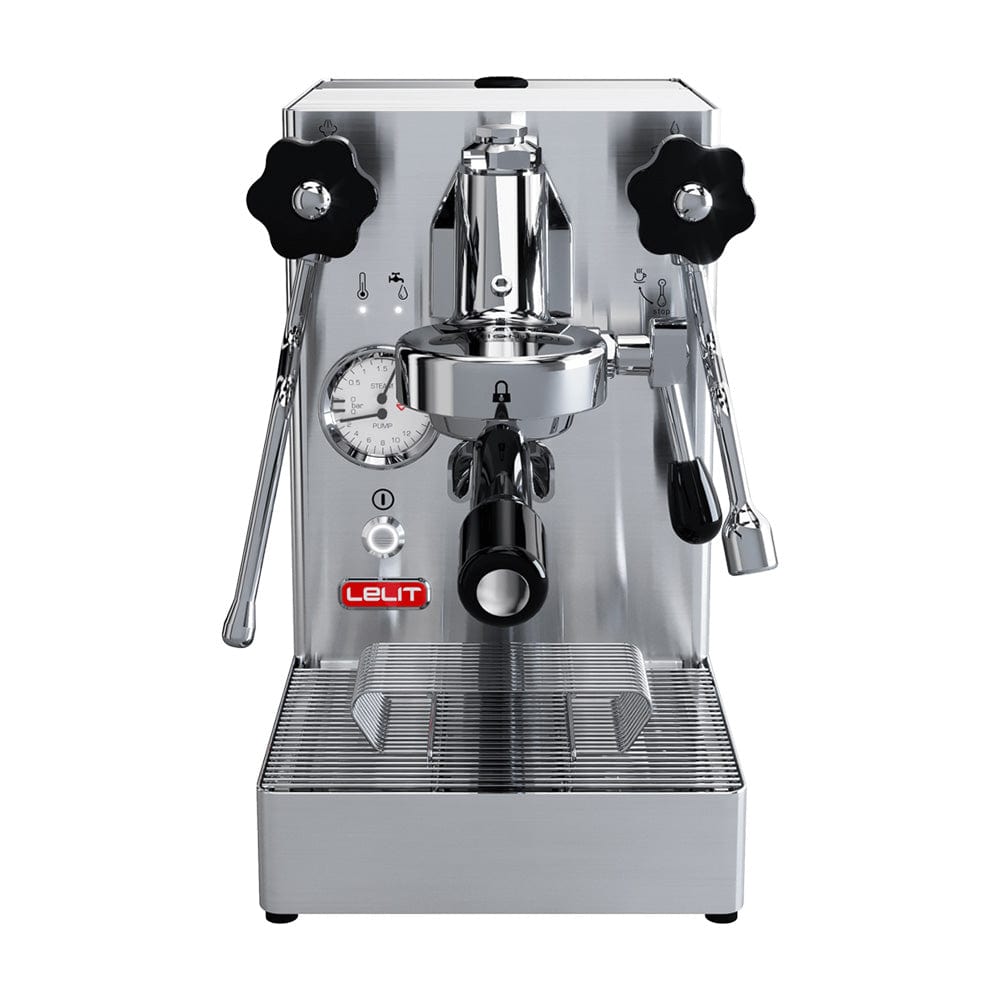
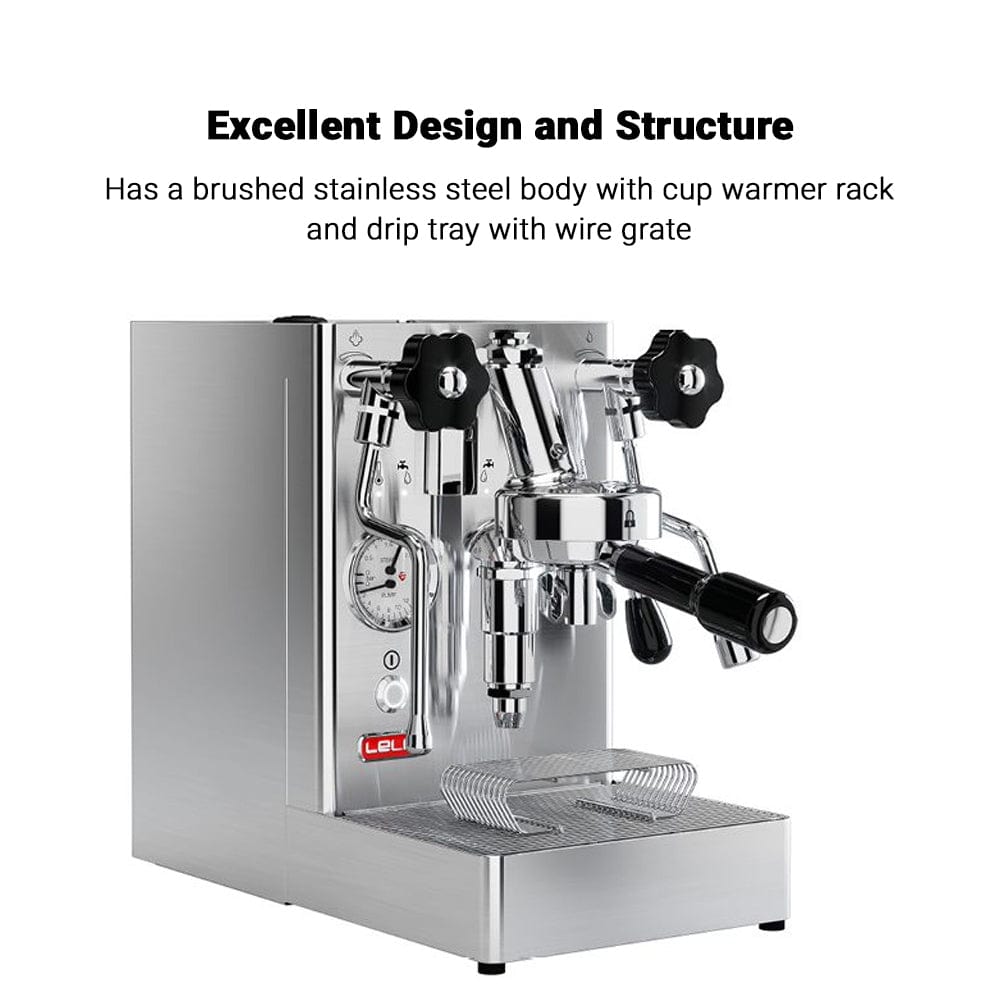
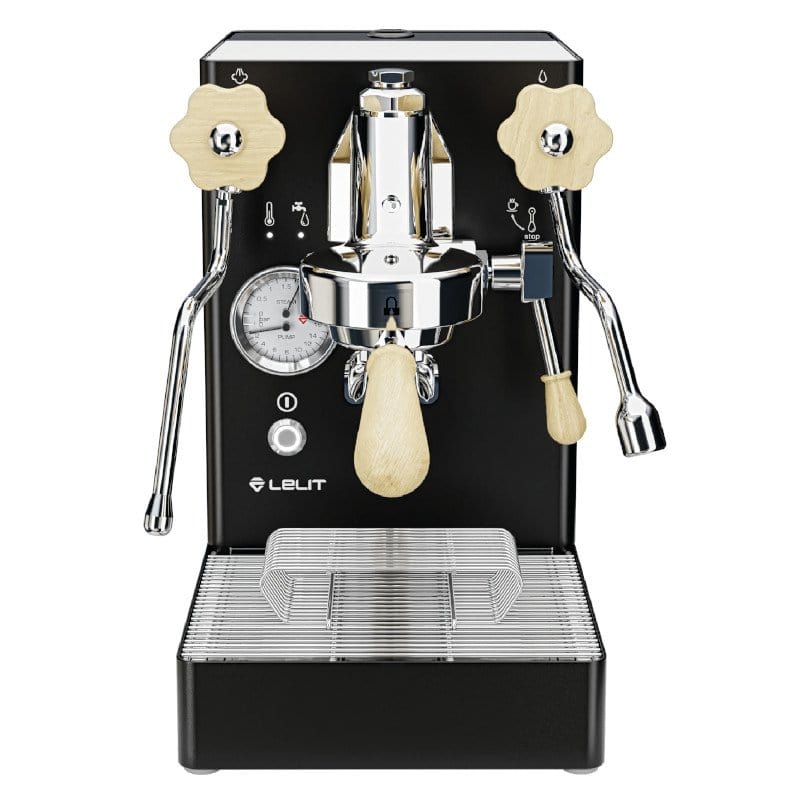
Dual Boiler machines run two completely independent boilers, one calibrated precisely for brewing and one for steaming. This delivers the highest temperature stability, fastest workflow, and most consistent shot-to-shot results. The Lelit Mara X and Lelit Bianca are dual boiler machines, as are the La Marzocco Linea Mini R and Linea Micra.
PID temperature control, available on most mid-range and above machines in this collection, maintains brewing water temperature with precision of 0.1 to 1 degree Celsius. Stable brew temperature is critical because even a two-degree variation changes the extraction chemistry and the flavour in the cup.
Choosing Your Machine by Skill Level and Budget
Beginner (Rs. 8,399 to Rs. 25,000) The Budan Classic and Budan Bolt are the most accessible starting points. The De'Longhi EC685 and Dedica EC890 offer solid build quality with strong brand support at a similar range.
Intermediate (Rs. 25,000 to Rs. 80,000) The Budan Inbuilt Espresso Machine with its built-in grinder removes the need for a separate grinder purchase. The Budan Sofia, De'Longhi La Specialista Touch, and Lelit Anna with PID offer more extraction control and better thermal stability.
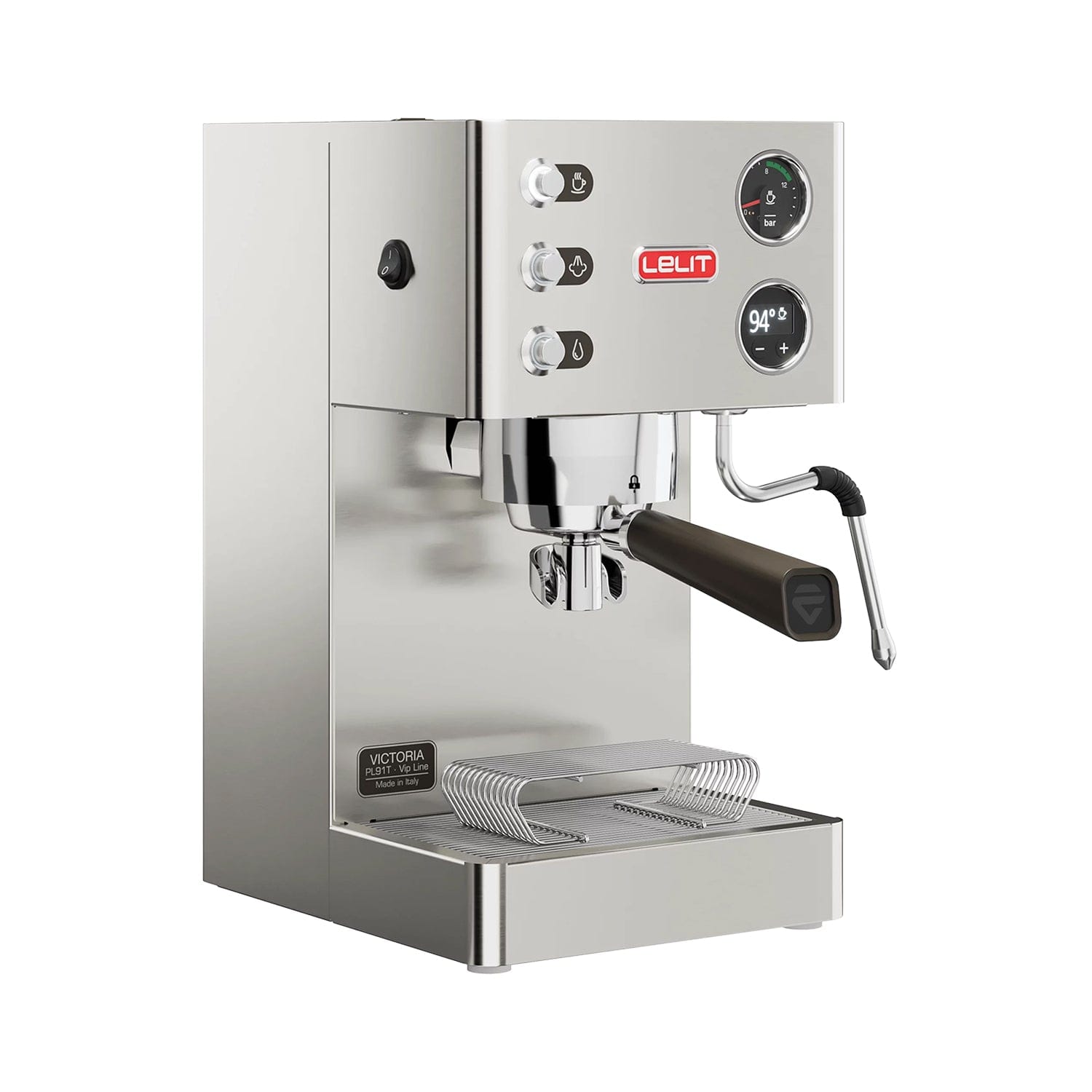
Advanced (Rs. 80,000 to Rs. 2,00,000) The Budan Athena, Lelit Victoria, Lelit Mara X, and Lelit Mara X V3 are built for home baristas who understand extraction variables and want a machine that matches their skill without workflow compromises.
Professional (Rs. 2,00,000 and above) The La Marzocco Linea Micra, Linea Mini R, and Lelit Bianca bring commercial grade dual boiler technology into the home for enthusiasts who treat espresso as a serious, long-term pursuit.
Brands Available at Something's Brewing
- Budan covers the widest price range in this collection from Rs. 8,399 to Rs. 99,999, making it the most accessible brand for Indian home brewers across every stage of the espresso journey.
- De'Longhi offers compact, reliable machines designed for ease of use and consistent everyday performance, particularly suited to first-time buyers and intermediate users.
- Lelit is an Italian manufacturer known for producing some of the most respected home espresso machines in the world. The Anita, Victoria, Mara X, Mara X V3, and Bianca range from intermediate to professional level.
- La Marzocco is the global benchmark in commercial espresso machine manufacturing. The Linea Mini R and Linea Micra bring dual boiler precision and commercial-grade build quality to the home barista.
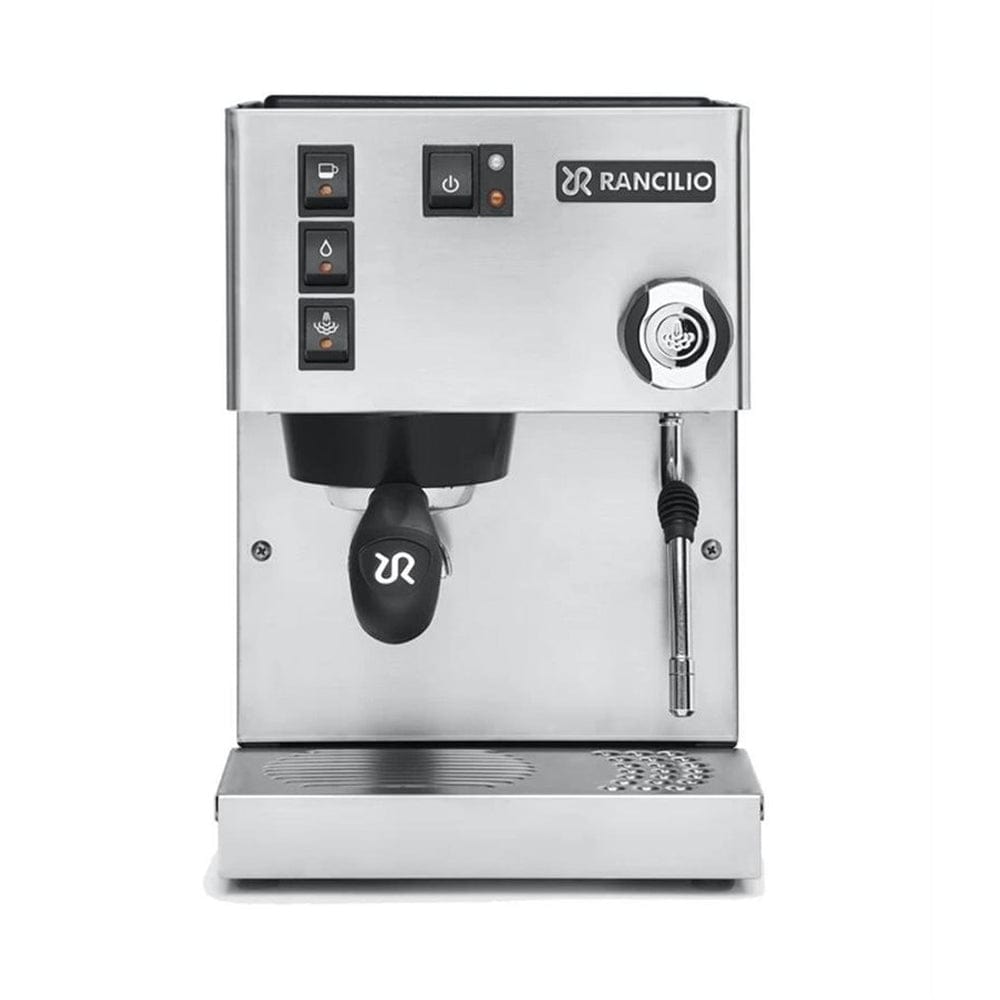
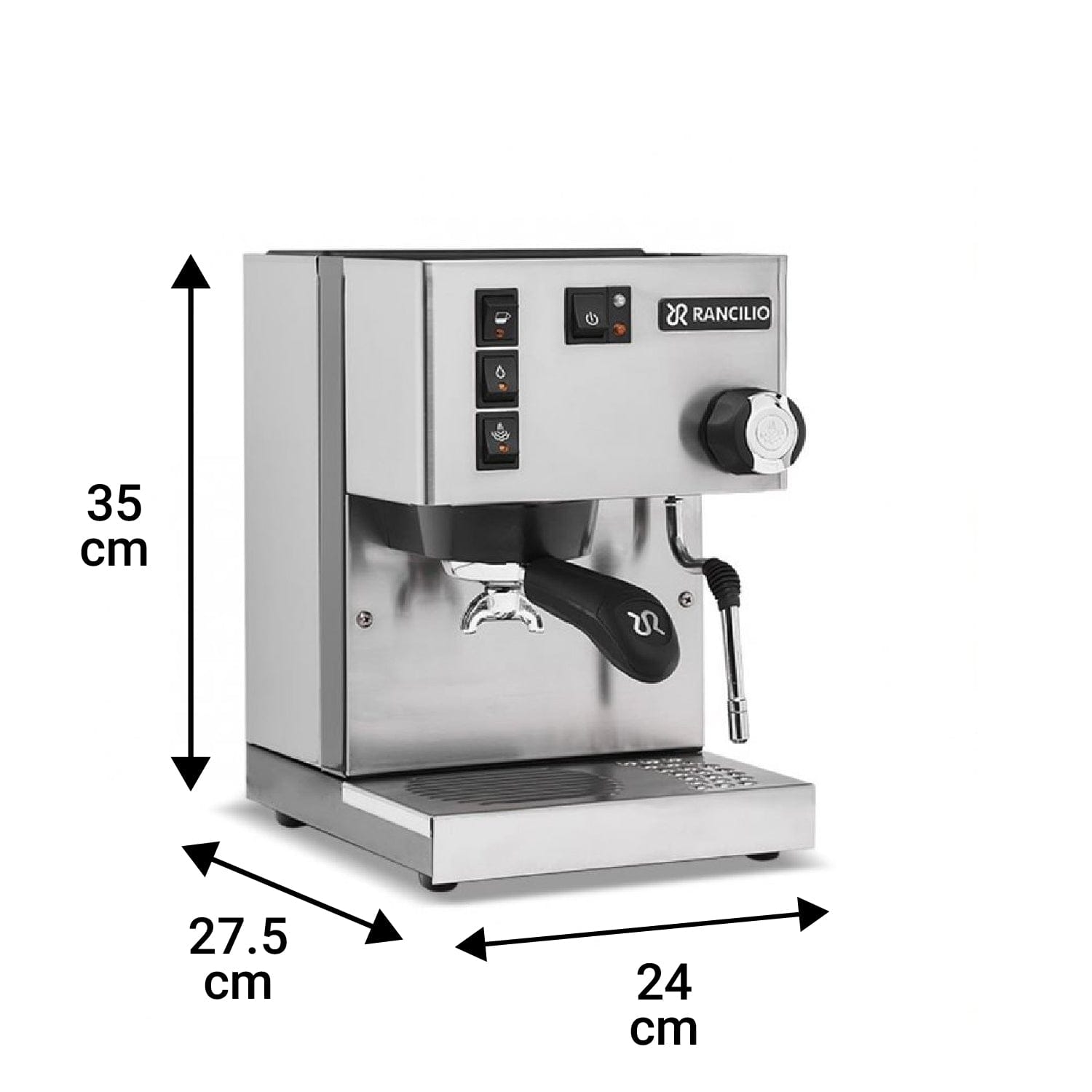
- Rancilio is one of the most iconic names in espresso machine history. The Silvia is a single boiler machine that has remained a home barista reference point for decades.
- Bellezza Espresso makes premium Italian machines with professional-grade internals and distinctive design for advanced home brewers who want performance and aesthetics in equal measure.
- Flair Espresso makes manual lever machines for those who want complete hands-on control over every bar of pressure applied during extraction with no electric pump involved.
Getting the Best From Your Machine
Grind fresh before every shot using quality coffee beans roasted within the last four weeks. Medium to dark roasts with lower acidity tend to produce the most balanced crema, body, and sweetness in espresso. Very light roasts can be more difficult to extract consistently on entry-level machines.
Preheat the portafilter and cup before pulling your shot by running hot water through the group head. This stabilises extraction temperature and measurably improves crema quality and flavour consistency. Rinse the portafilter and wipe the steam wand after every use, back flush the group head weekly, and descale monthly with a brand-approved solution. A clean machine produces better espresso every single time.