Moganad Estate Washed - Naked Coffee

Keopi Coffee Roasters: Single Estate Indian Specialty Coffee
Keopi works directly with a small group of Indian estates to bring genuine single estate, single process specialty coffee to home brewers across the country. The roaster sits within our wider specialty coffee bean range, alongside other independent Indian roasters and select international labels. No blends, no anonymous green beans, no shortcuts. Every bag traces back to a specific farm, a specific harvest, and a specific process, exactly the way specialty coffee is supposed to work. Indian specialty coffee has gone through a quiet transformation over the past decade. Once dominated by commodity grade exports and bulk supermarket blends, the country now hosts dozens of independent roasters, third wave cafes in every metro, and a growing community of home brewers willing to pay a premium for traceable, single origin beans. Keopi is part of this movement, alongside roasters like Corridor Seven Coffee Roasters who are building reputations on quality and direct estate relationships rather than shelf presence in supermarkets. If you have only ever tasted commercial Indian coffee, your first cup of Keopi will surprise you. The flavor profile is closer to a carefully sourced Ethiopian or Costa Rican single origin than the dark roasted, bitter blends that defined Indian filter coffee for decades. The shift is partly a roasting choice, partly a sourcing choice, and partly a willingness to let the bean speak for itself rather than burying it under chicory and milk.
Why Indian Specialty Coffee Is Having a Moment
For most of its history, Indian coffee was either exported as commodity grade green beans or sold domestically as dark roasted blends optimized for chicory and milk based filter coffee. The estates were good. The processing was fine. But the market had no interest in distinguishing between farms, harvests, or processing methods. A bag of coffee was a bag of coffee.
That picture has changed dramatically in the last ten years. Estate owners who used to ship every kilogram abroad have started keeping aside their best lots for domestic specialty roasters. Younger family members are taking over farms with experimental processing in mind. Indian baristas have won placements in the World Brewers Cup and World Latte Art Championships. The rise of cafe culture in Bangalore, Mumbai, Delhi, Pune, and Hyderabad has created a domestic audience that pays for quality the way overseas buyers do. The full picture of this shift, with brewing equipment and roasters from across the country, is laid out across the Something's Brewing coffee marketplace.
Keopi launched into this opening. Rather than try to compete with established commodity brands at the supermarket shelf, the roaster bypassed retail entirely and went directly to home brewers ordering online. That model gives the team room to experiment with smaller, more interesting lots that would not survive the consistency demands of a mass market product.
The Keopi Approach to Coffee
Most Indian coffee, even specialty grade, gets blended for consistency before it reaches the consumer. Keopi takes a different path: source from a handful of estates the team personally knows, roast each lot separately, and let the buyer experience exactly what that farm produced that season. The result is a small but rotating menu where every bag tastes meaningfully different from the last.
This is roastery first thinking applied to retail. The same way independent wine producers sell vintage by vintage rather than blending for shelf stability, Keopi releases coffee by harvest, by estate, and by process. When a lot sells out, it sells out. The next release will taste different, and that is the entire point of buying single origin in the first place.
Where Keopi Sources Its Beans
Keopi works exclusively with Indian coffee estates committed to specialty grade processing. The current rotation features two estates from very different geographies and processing traditions, each chosen for what it does uniquely well.
Ratnagiri Estate, Maharashtra
Ratnagiri sits on the Konkan coast of Maharashtra, an unusual location for coffee given that India's traditional growing regions are further south in Karnataka and Kerala. The estate produces coffee at lower altitudes than the Karnataka highlands, but the unique microclimate of the Western Ghats coastal slopes gives the beans a distinctive flavor signature that cannot be replicated elsewhere. Sea facing humidity, monsoon rains, and red lateritic soil all contribute to a cup unlike anything else in Indian coffee.
Featured Lot: Symbiotic Fermented Naturals
This lot uses an experimental fermentation process where coffee cherries are co fermented with selected microbial cultures during the natural drying phase. The technique amplifies fruit forward and wine like notes that single source naturals naturally develop, without the funky off flavors that uncontrolled fermentations can produce. Expect ripe stone fruit, a sweet finish, and a body that surprises most drinkers used to washed Indian coffees.
Best brewed as: pour over, AeroPress, or filter coffee. The clarity of pour over brewers showcases the fermentation character without muting it. Espresso users can pull this as a single origin shot if they enjoy fruit forward profiles.
Attikan Estate, Karnataka
Attikan estate operates in Karnataka's Bababudangiris range, home to some of the highest altitude coffee farms in India. Beans grown at these elevations develop more slowly, concentrating sugars and acids in a way that produces the structured, balanced cups Karnataka is known for globally. The estate has a long history of producing specialty grade lots that compete directly with origins from Africa and Central America in cupping competitions.
Featured Lot: Honey SundriedHoney processing sits between washed and natural. The cherry skin is removed, but the sticky inner mucilage is left on the bean during drying. The result is a cup with the cleanliness of a washed coffee plus the sweetness and body of a natural. Honey processed Indian coffees are still rare in the domestic market, and Attikan's version is one of the most consistent versions available to home brewers.
Best brewed as: drip, V60, espresso, or moka pot. Honey processed beans are unusually versatile across brewing methods, which makes this lot a great daily driver for households that switch between brewers depending on the day.
Understanding the Processing Methods Behind Keopi's Lots
Coffee processing is the step between picking a cherry off the tree and shipping a green bean to a roaster. It sounds technical, but it is one of the biggest flavor variables in your cup. Two beans from the exact same farm, picked on the same morning, can taste radically different depending on how they were processed.
What Symbiotic Fermented Naturals Actually Means
In a standard natural process, whole coffee cherries are dried under the sun while the fruit pulp ferments naturally around the bean. Whatever microbes happen to be present in the air, on the cherry skin, or in the surrounding environment drive the fermentation. The results are unpredictable: sometimes spectacular, sometimes muddy, sometimes outright spoiled.
Symbiotic fermentation takes that process and adds direction. Selected yeast strains, lactic acid bacteria, or fruit pulps are introduced into the fermentation tank in measured doses. The microbes produce specific compounds that translate into specific flavor notes in the cup, and the controlled environment prevents off flavors from developing. Done well, the technique amplifies the best characteristics of natural processing while removing the inconsistency.
How Honey Sundried Processing Works
In honey processing, the outer cherry skin is removed mechanically, but the sticky inner mucilage layer is left on the bean. The bean then dries slowly under the sun on raised beds, developing a thin amber coating that gives the process its name. Different sub categories of honey process exist, like white, yellow, red, and black, depending on how much mucilage is left and how slowly the bean is dried. Sundried specifically refers to the slow, sun based drying used at Attikan, which preserves more delicate flavor compounds than mechanical drying would.
Roast Philosophy: Why Keopi Roasts Light to Medium
Specialty grade beans are bought for what they taste like, not what the roast can mask. Keopi roasts to highlight origin character, which means most lots land between a light and medium roast level on the development curve. Dark roasts can hide flaws, but they also flatten the very qualities that make these beans worth paying for in the first place.
If you have only ever drunk dark roasted coffee, your first cup of Keopi may taste different than expected. Sweeter. Brighter. More fruit forward, less smoke. This is what specialty grade Indian coffee actually tastes like when the roaster gets out of its way. Give it three or four bags before deciding whether you prefer light to medium roast styles. The palate adjusts over weeks, not days.
How to Brew Keopi Coffee at Home
Light and medium roasted single origins reward proper extraction more than they reward expensive equipment. Three things matter most: a quality grinder, water at the right temperature, and an accurate scale. Get those three right and a basic dripper will outperform an expensive machine paired with bad inputs.
| Brewer | Grind Size | Ratio | Best For Lot |
|---|---|---|---|
| Pour Over (V60) | Medium Fine | 1:16 | Either Lot |
| AeroPress | Medium | 1:15 | Ratnagiri Naturals |
| French Press | Coarse | 1:15 | Attikan Honey |
| Espresso | Fine | 1:2 to 1:2.5 | Attikan Honey |
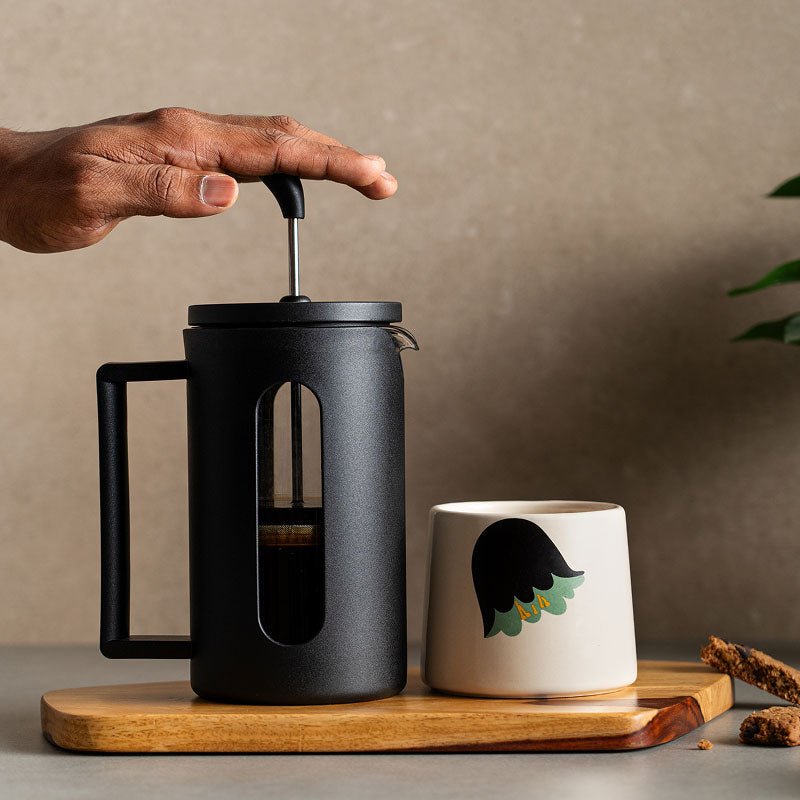
If you prefer fuller body in your daily cup, a French press brewer works particularly well with the honey processed lot from Attikan. Whatever brewer you use, freshly grinding right before brewing is non negotiable for specialty coffee. Pre ground beans lose most of their aromatic character within an hour of grinding, which is why electric burr grinders are the single most important upgrade for serious home brewers.
Subscriptions and Bundle Options
Specialty coffee is fresh coffee. The single biggest upgrade most home brewers can make is buying smaller bags more frequently rather than larger bags less often. Keopi offers three purchase paths designed around this principle.
Single Bag Purchase
Buy any current lot as a single 250 gram bag. Use this if you want to taste a specific harvest or estate before committing to more. Each bag is roasted to order, typically shipping within 2 to 4 business days of roast date.
Subscribe and Save
Choose your bag size and delivery frequency, every 2 weeks, 3 weeks, or monthly, and Keopi will roast and ship a fresh bag automatically. Subscribers get a discount over single bag pricing, lock in priority access to limited release lots before they sell out publicly, and can pause or cancel any time. This is the most cost effective way to drink Keopi coffee at home, and it solves the problem of running out of beans on a Sunday morning when nothing else is open.
Brewer Plus Beans Bundle
If you are setting up a home coffee station from scratch, bundling beans with a brewer saves you the back and forth of separate orders. Combine a Keopi bag with an AeroPress coffee maker for a complete setup that arrives ready to brew on the same day.
Browse the Keopi Coffee Range
Pick a single bag to explore a new lot, subscribe to keep fresh coffee arriving on schedule, or browse our wider Indian and international roaster catalog for other roasters available on the site. Every Keopi bag ships fresh from the roaster, with the harvest details, process notes, and brewing suggestions printed on the label so you know exactly what to expect before opening.