Italian Coffee Machines: A Guide to Authentic Espresso at Home
Explore Italian coffee machines from Lelit, La Marzocco and Rancilio at Something’s Brewing. The collection includes espresso machines for different home and advanced brewing setups, from single-boiler machines to heat-exchanger and dual-boiler models.
Compare Italian coffee makers by brewing system, temperature control, steam capability, size and price to find a machine that matches the way you prepare espresso at home.
Italian Coffee Machine Brands in This Collection
The collection brings together established Italian coffee machine brands with different approaches to home espresso.
Lelit
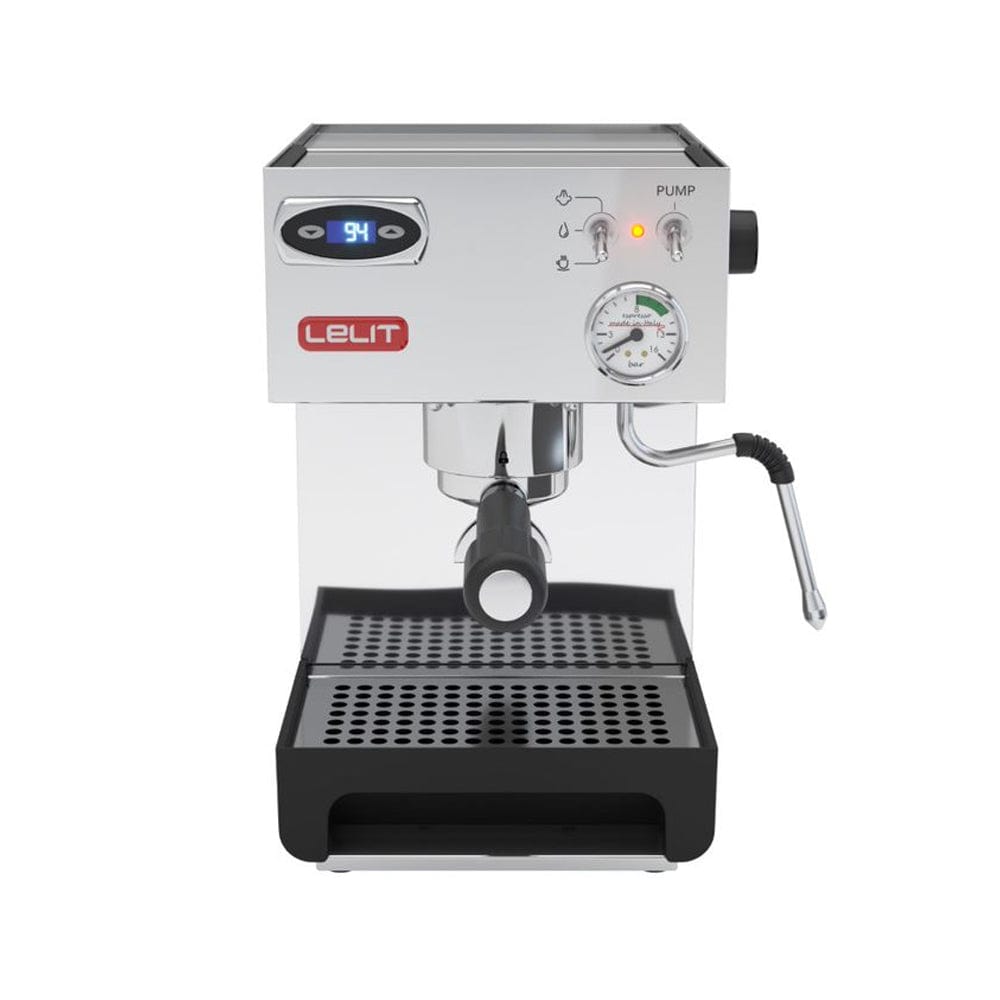
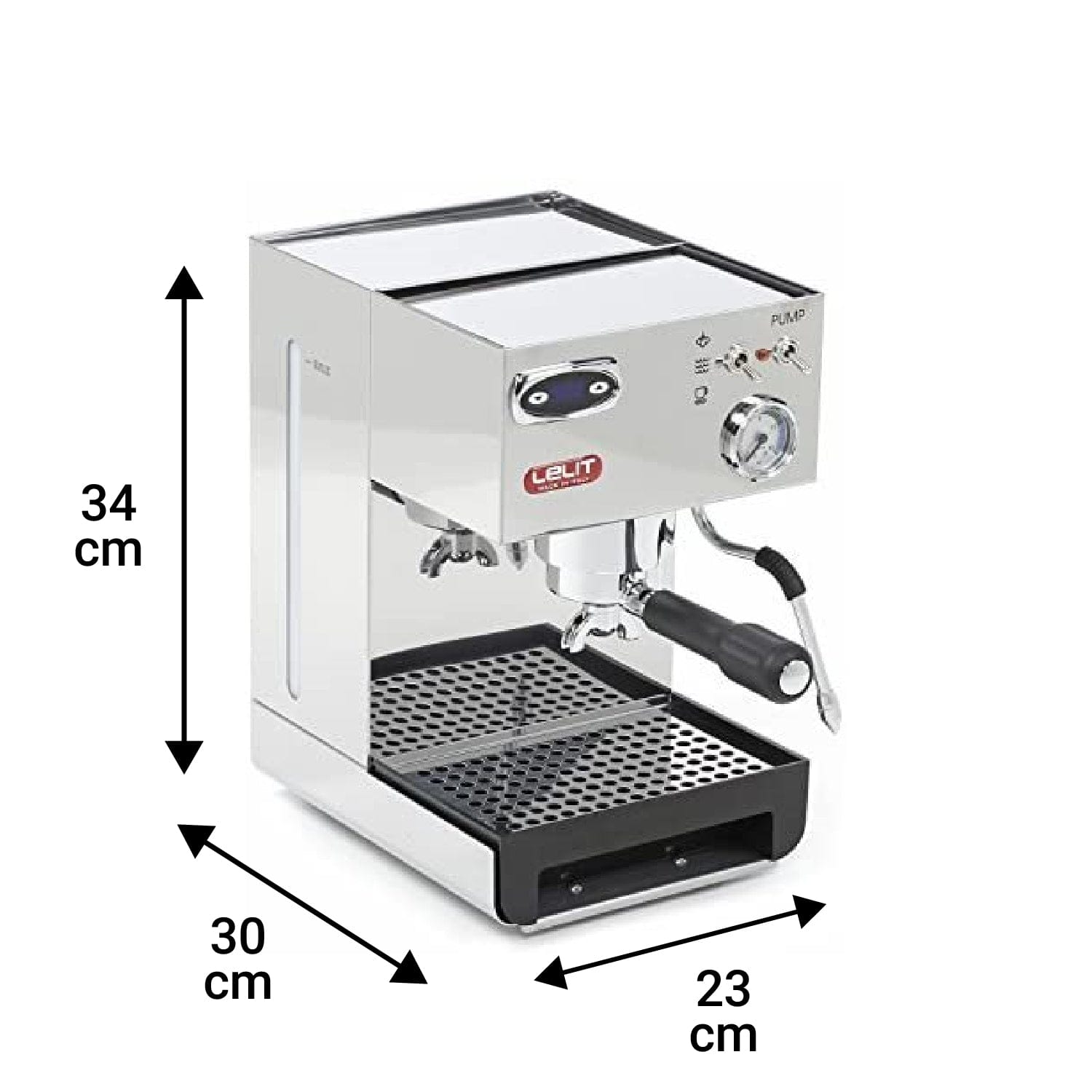
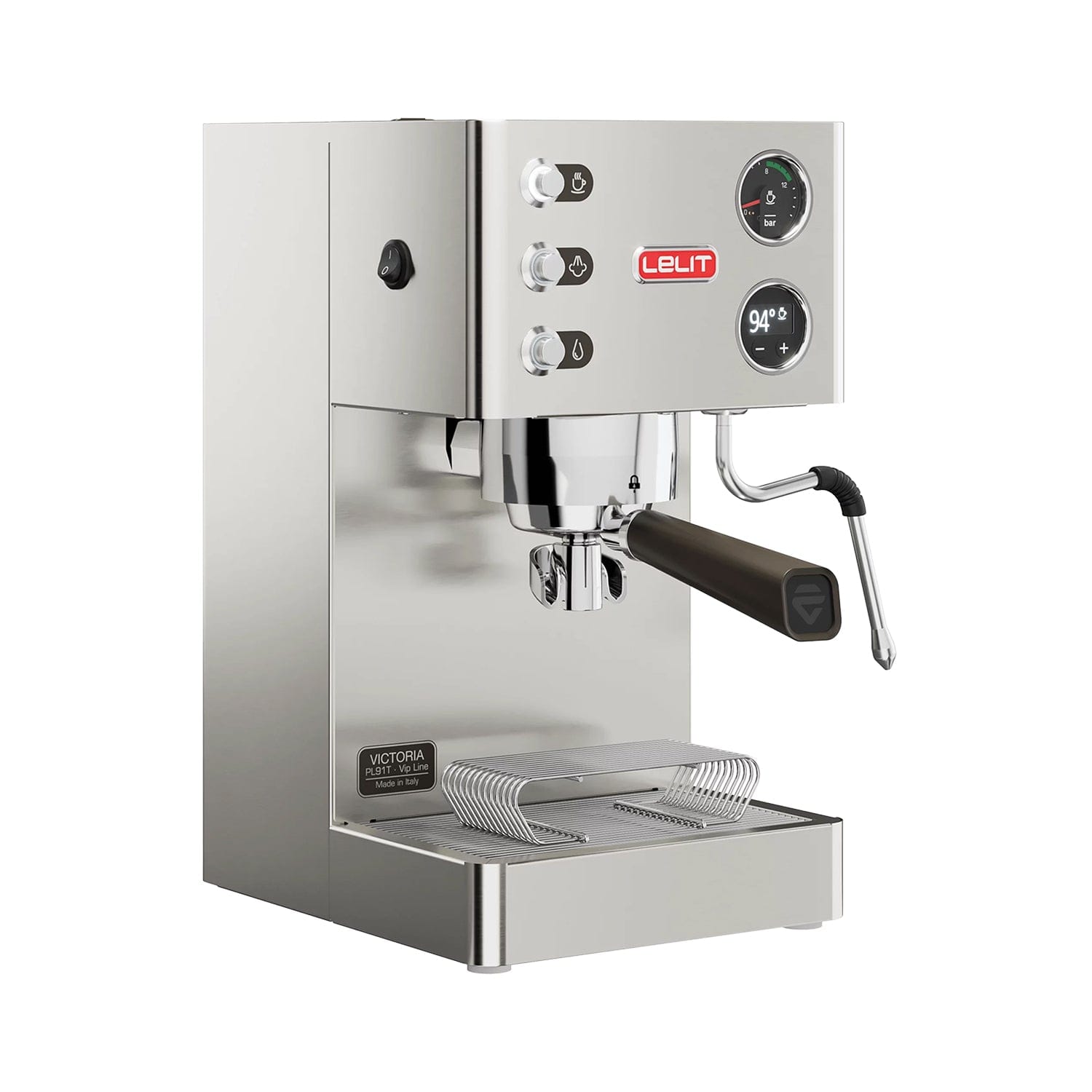
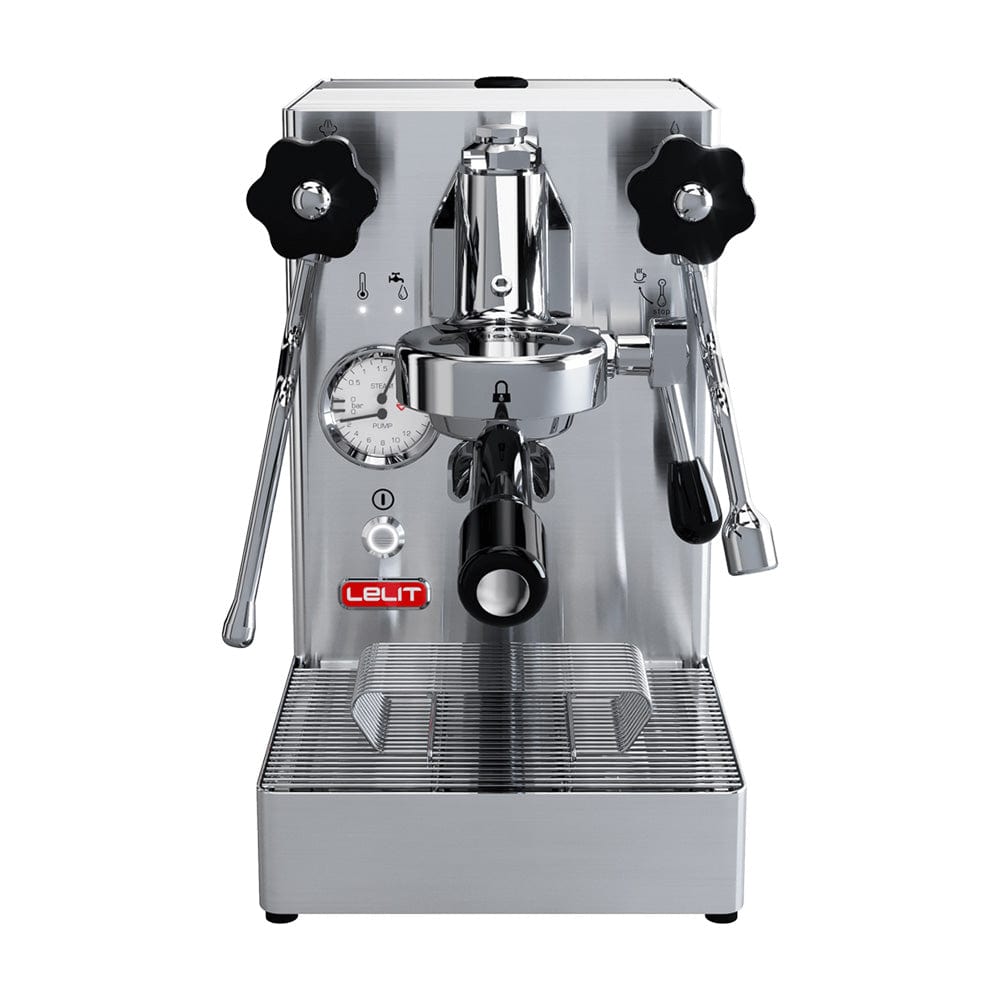
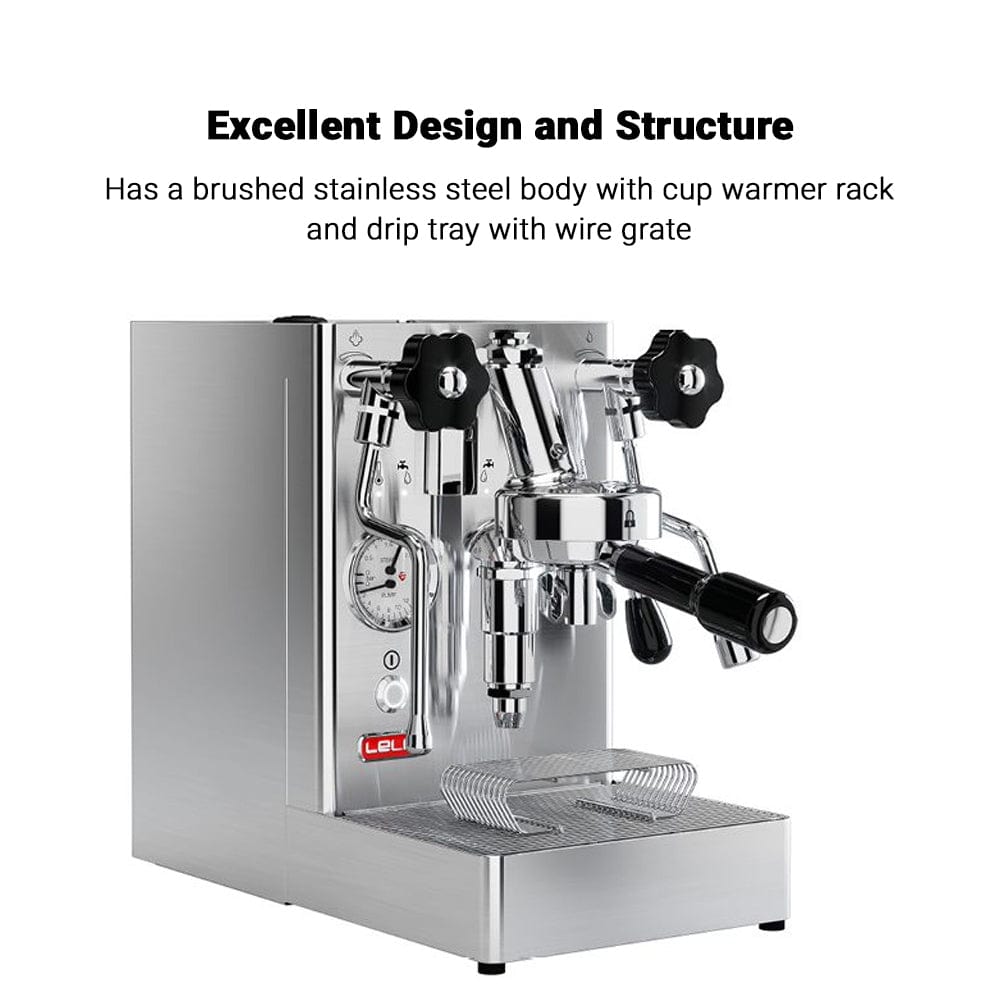
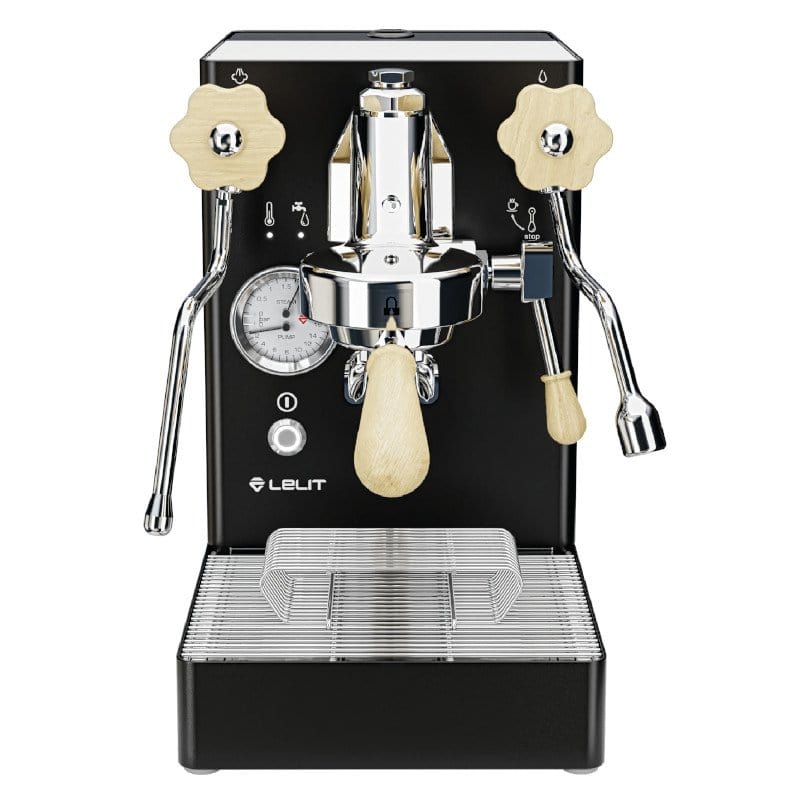
Lelit makes up a large part of the current collection, with machines including the Anna with PID, Anita with PID, Victoria, Mara X and Bianca.
These models span different brewing configurations and levels of control. Some are designed around simpler home espresso workflows, while others provide more advanced temperature, brewing and steaming capabilities.
Compare the individual product specifications carefully, as features vary considerably between Lelit models.
La Marzocco
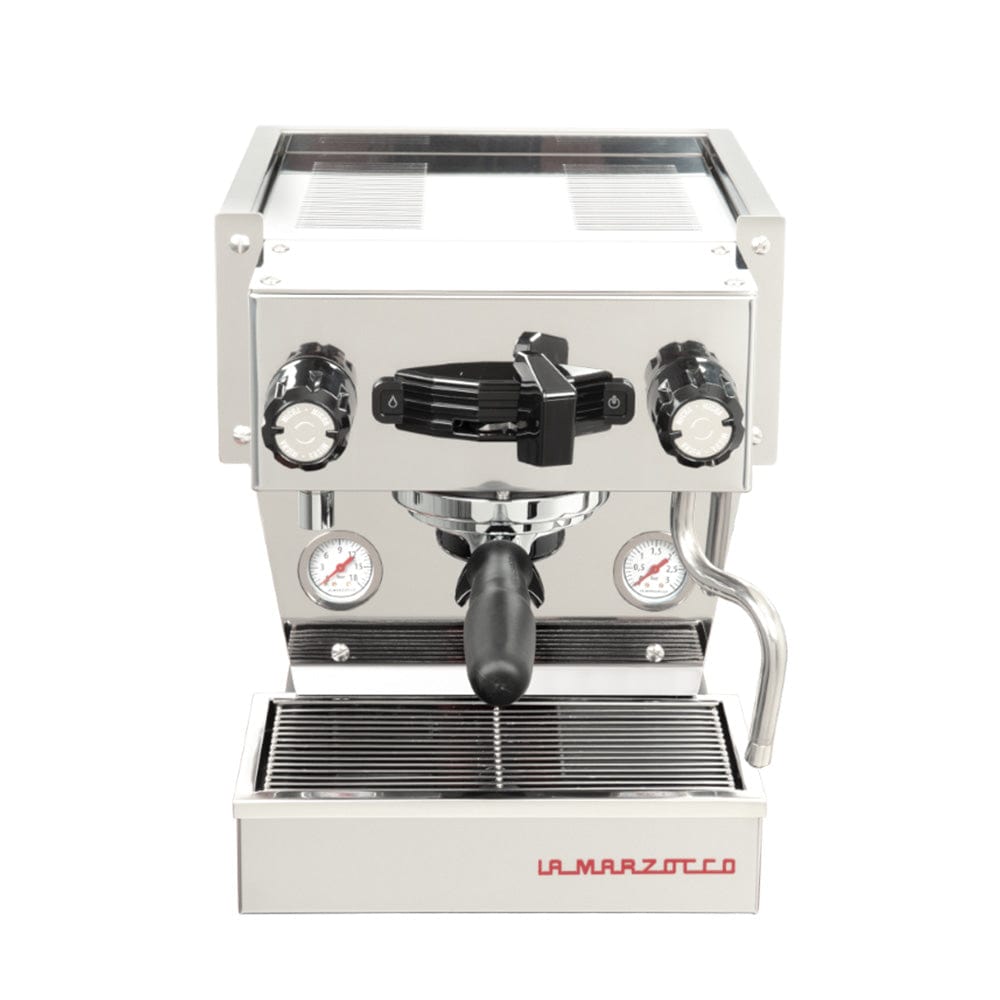
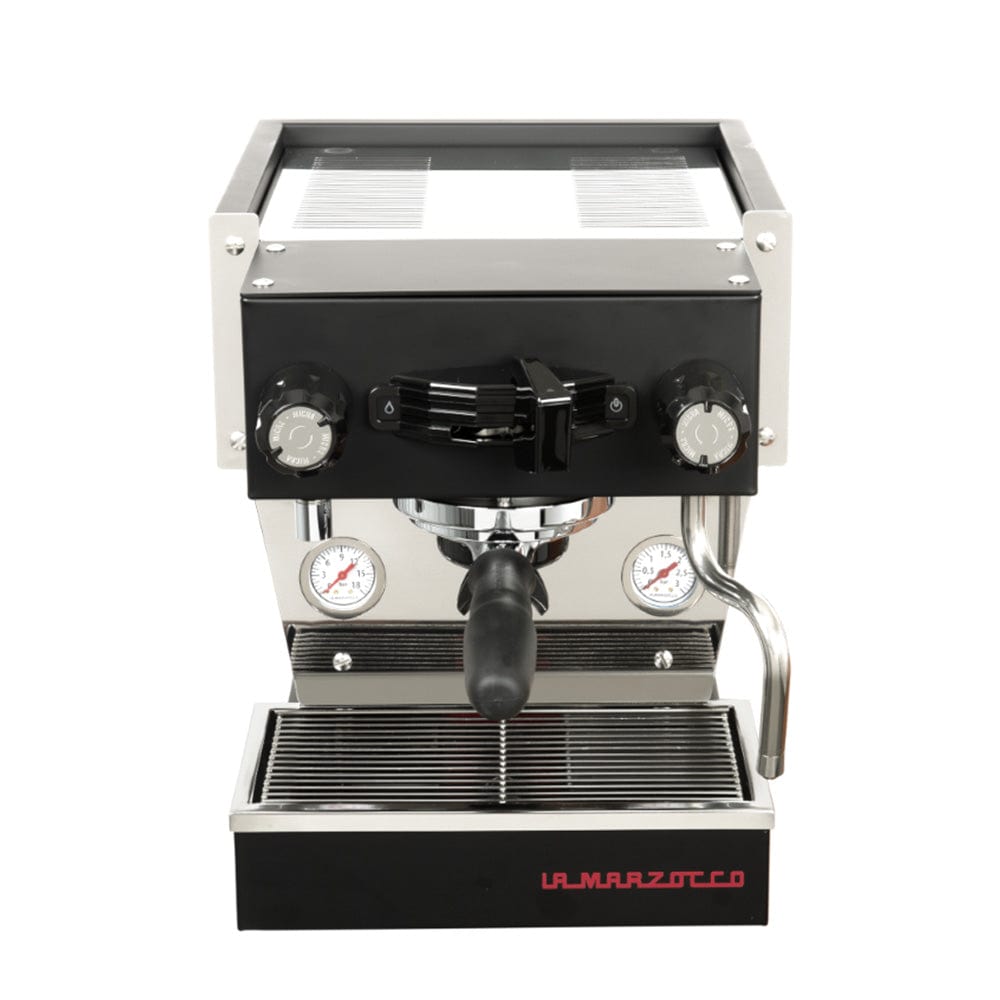
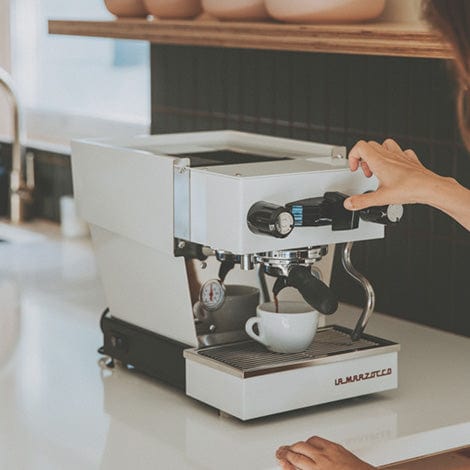
La Marzocco is represented by machines including the Linea Micra and Linea Mini R.
These machines are positioned toward users looking for more advanced home espresso equipment, with the exact brewing system, dimensions and controls varying by model.
Rancilio
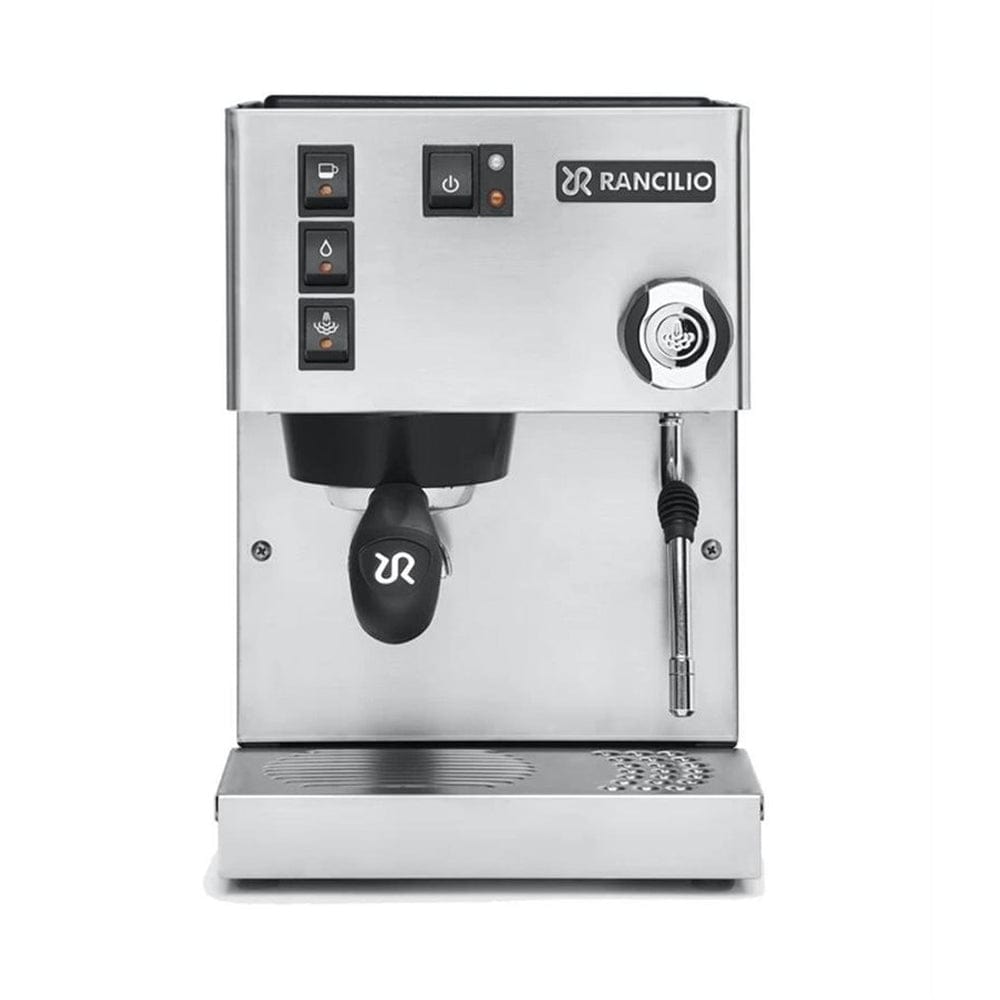
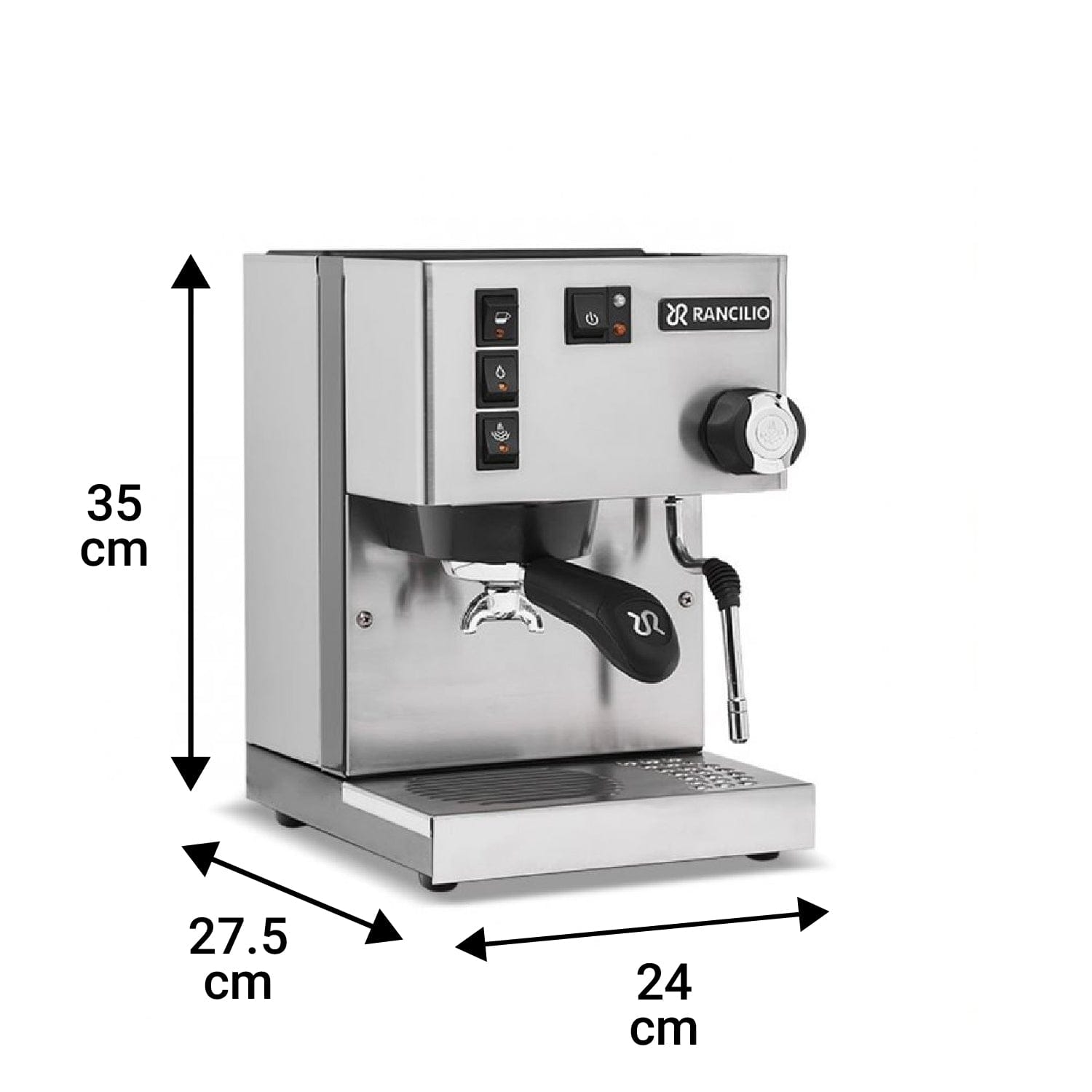
The collection also includes Rancilio espresso machines such as the Silvia V6.
Rancilio's semi-automatic machines give the user direct involvement in coffee preparation and extraction, making them relevant to home brewers who prefer a hands-on espresso workflow.
How to Choose an Italian Coffee Machine
Rather than choosing an Italian coffee machine based only on the brand, compare the features that affect how you will actually use it.
Boiler Configuration
Single-boiler, heat-exchanger and dual-boiler machines handle brewing and steaming differently.
A single-boiler machine can be suitable when espresso is the main priority, while heat-exchanger and dual-boiler configurations provide different workflows for users who frequently prepare milk-based drinks.
Check the individual machine specifications before deciding which configuration fits your routine.
Temperature Control
Some Italian espresso machines include PID temperature control, which allows more precise management of brewing temperature.
This can be useful for users who want greater control when dialing in different coffees.
Steam Capability
If you regularly make cappuccino, latte or flat white, consider the machine's steaming setup alongside its espresso capabilities.
Steam capability becomes increasingly important when preparing several milk-based drinks in succession.
Portafilter Size
Portafilter sizes vary across the machines in this collection, including 57 mm and 58 mm configurations.
This can affect compatibility with baskets, tampers and other espresso accessories, so check the specifications of the individual machine before buying additional equipment.
Size and Available Space
Measure the space where the machine will be placed, including clearance above and around it.
Machine depth and height can be particularly important when the setup sits beneath kitchen cabinets or next to a separate grinder.
For a broader comparison beyond Italian brands, explore home coffee machines.
Italian Espresso Machines for Home Use
Many machines in this collection use a semi-automatic brewing format, giving the user direct control over coffee preparation and extraction.
This type of Italian espresso machine can suit home brewers who want to understand how variables such as grind size, dose and preparation influence espresso rather than relying entirely on a push-button brewing process.
The right level of control depends on your experience and how involved you want to be in preparing each cup.
You can also compare Italian models with the wider selection of espresso machines available at Something’s Brewing.
Italian Coffee Machines for Milk-Based Drinks
If cappuccino, latte and other milk-based coffees are part of your regular routine, consider both espresso brewing and milk steaming when comparing machines.
A machine used mainly for straight espresso has different workflow requirements from one expected to prepare several milk drinks.
Boiler configuration and steam capability become particularly relevant when switching repeatedly between extraction and steaming.
This makes the drinks you prepare most often an important factor when choosing between Italian coffee machines.
Italian Coffee Machine Prices
Italian coffee machine prices vary significantly across the collection because the machines differ in brand, brewing system and level of control.
Entry-level home espresso machines and more advanced models should therefore not be compared on price alone.
Consider which features you will actually use, such as PID temperature control, boiler configuration and steaming capability, before deciding whether a higher-priced model is appropriate for your setup.
For the latest Italian coffee machine price, refer to the individual product listings on this page because prices, offers and availability can change.
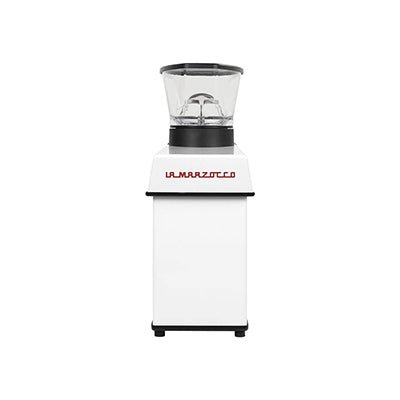
Pair an Italian Espresso Machine with the Right Grinder
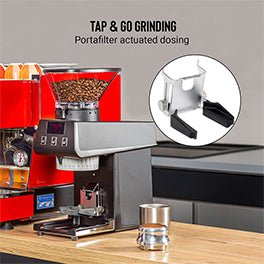
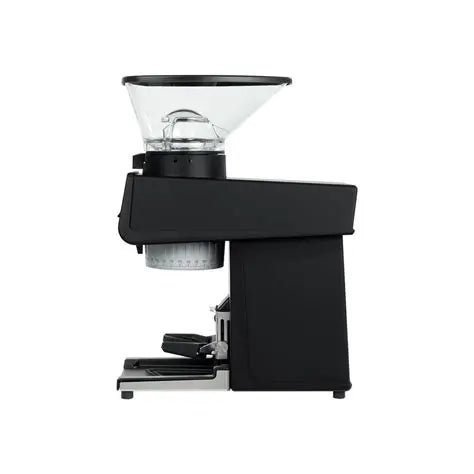
A capable espresso grinder is an important part of a semi-automatic setup.
Espresso requires sufficiently fine and consistent grind adjustment so that the coffee can be dialed in for the machine, basket and beans being used.
If the machine you choose does not include a built-in grinder, compare suitable electric coffee grinders as part of your overall setup.
Maintaining an Italian Coffee Machine
Maintenance requirements vary between machines, so the instructions for the individual model should always take priority.
Routine care can include cleaning the portafilter, basket, group area and drip tray, while machines may also require periodic descaling, water-filter replacement or other maintenance.
Milk-steaming components should be cleaned after use according to the manufacturer's instructions.
Following the maintenance schedule specified for the machine is more appropriate than applying the same fixed cleaning routine to every Italian espresso machine.