Arabica vs Robusta: How to Choose the Right Coffee Bean for Your Cup
Arabica and robusta are the two coffee species that make up almost all coffee sold worldwide. Arabica is sweeter and more aromatic with higher acidity and more complex flavour, while robusta is bolder and more bitter, carries roughly double the caffeine at 2.2 to 2.7 percent against arabica's 1.2 to 1.5 percent, produces heavier crema and costs less. Arabica suits filter brewing and anything where you want the origin to show. Robusta suits espresso, milk based drinks and South Indian filter coffee where you need body and strength.
Neither is simply better. Which one belongs in your grinder depends on how you brew and what you want out of the cup.
What actually separates the two plants
Arabica grows at altitude, usually above 1,000 metres, where cooler temperatures slow the cherry down and let more sugars and aromatic compounds develop. Robusta grows happily below 800 metres, in heat and humidity that would kill an arabica plant.
That difference in growing conditions is where everything else comes from. Arabica beans carry close to twice the sugar and noticeably more lipids, which is why they taste sweeter and show fruit, floral and caramel notes. Robusta carries more caffeine and more chlorogenic acid, both of which read as bitterness on the palate, along with the nutty and woody character people describe as rubbery when it is poorly roasted.
Robusta also lives up to its name. The plant resists disease and pests far better, yields more per hectare and needs less careful handling, which keeps its cost down.
Arabica vs robusta side by side
|
Arabica |
Robusta |
|
|
Growing altitude |
Above 1,000 m |
Below 800 m |
|
Caffeine content |
1.2 to 1.5 percent |
2.2 to 2.7 percent |
|
Flavour |
Sweet, fruity, floral, caramel |
Bold, nutty, woody, chocolatey |
|
Acidity |
Bright to medium |
Low |
|
Body |
Light to medium |
Heavy |
|
Bitterness |
Low to moderate |
Pronounced |
|
Crema in espresso |
Lighter, fades faster |
Thick and lasting |
|
Relative cost |
Higher |
Lower |
|
Share of world production |
Roughly 60 to 70 percent |
Roughly 30 to 40 percent |
Which is better, and why that is the wrong question
Specialty coffee spent decades treating arabica as the quality bean and robusta as the filler, and that reputation came from real causes. Most robusta on the market was grown for volume, harvested indiscriminately and roasted dark to hide its flaws.
What changed is that a handful of growers started treating robusta with the same care, picking selectively and processing properly. Fine robusta beans taste nothing like commodity robusta. The cup is still bolder and more bitter than arabica, because that is the plant, but it is clean rather than harsh.
So the honest answer is that a well grown robusta beats a carelessly grown arabica. Species sets the range of what a bean can be. Growing, processing and roasting decide where inside that range it lands.
Choosing by how you brew
This is the practical way to decide. Match the bean to the method rather than to a reputation.
Best coffee beans for espresso
Espresso rewards body, sweetness and crema, which is why most Italian espresso blends include robusta. A blend with 10 to 30 percent robusta gives you a thicker mouthfeel, a crema that holds its shape and a shot that cuts through milk instead of disappearing into it.
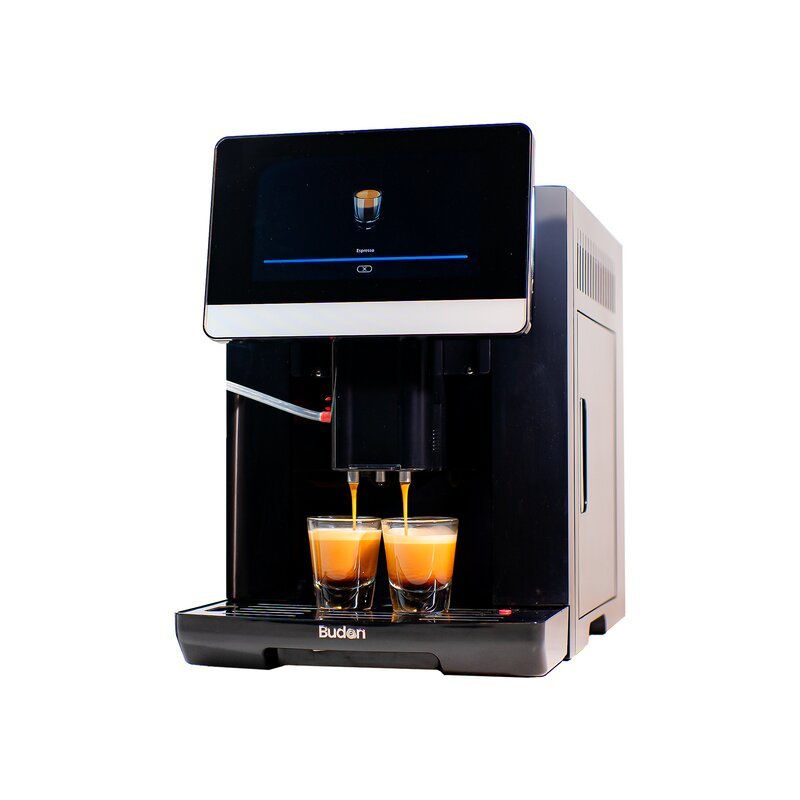
Pure arabica espresso is excellent if you want clarity and fruit, and it is what most third wave cafes pull. It will taste more delicate and the crema will be thinner. If you are dialling in on a home setup, the semi automatic machines give you the control to adjust for either, since a robusta heavy blend usually wants a slightly coarser grind than a straight arabica.
Pour over and filter brewing
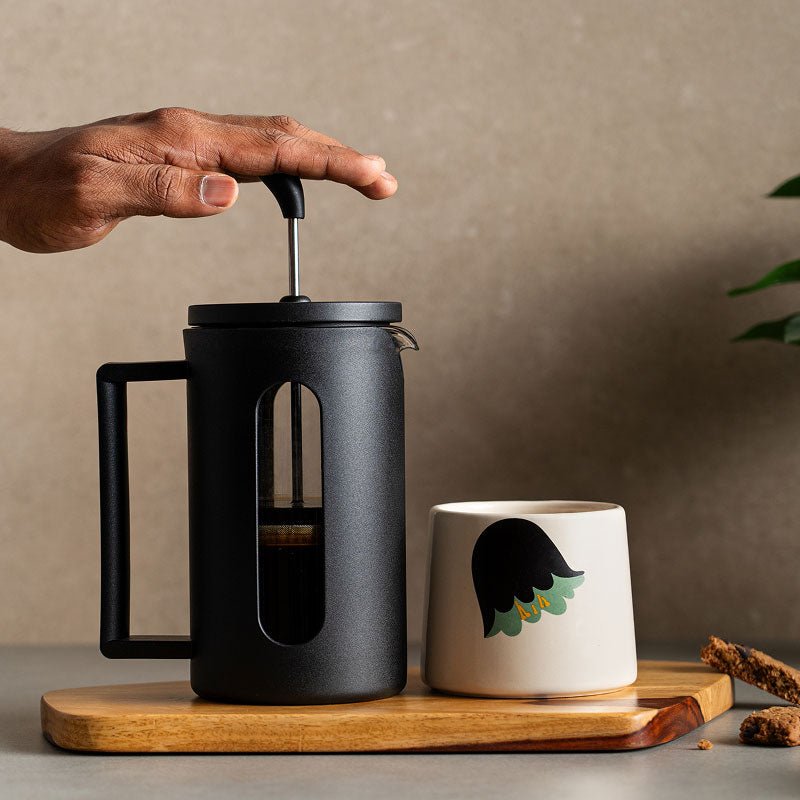
Arabica, almost without exception. Paper filtered brewing is built to show nuance, and robusta does not have much nuance to show. A washed single origin arabica through a pour over dripper is where you taste the difference between one estate and another.
Robusta in a V60 tends to come out flat and bitter because the method strips away the body that makes it work elsewhere. If a filter brew tastes hollow, grind size and ratio are usually the first things to check.
South Indian filter coffee
Robusta, or a robusta heavy blend, often with chicory. The drink is a concentrated decoction cut with hot milk and sugar, so a delicate arabica gets completely lost. You need the caffeine, the body and the bitterness to survive the milk.
This is the clearest case where the specialty consensus does not apply. A 70:30 robusta to arabica blend makes better filter coffee than a prized single origin.
Milk based drinks and cold brew
Any coffee that ends up under 150 ml of milk needs to be able to push back. Dark roasted arabica works, a blend works better, and robusta works hardest. The same logic applies to cold brew, where long steeping smooths out robusta's edges and leaves you with chocolate and nut character.
The arabica robusta blend
A blend exists to give you something neither bean does alone. Arabica brings sweetness and aroma, robusta brings body, crema and strength, and the ratio decides which dominates.
Common ratios and what they do:
- 90:10 or 80:20 arabica to robusta: arabica led with added body and crema, the most widely used espresso formula
- 70:30: noticeably bolder, holds up well in milk drinks
- 50:50: robusta forward, common in traditional Indian and Italian blends
- 30:70 or lower: built for filter coffee and high caffeine
Something's Brewing own house blend runs at 80:20 arabica to robusta, which is a useful reference point if you want to taste what a small robusta percentage actually contributes before committing to a heavier ratio.
Indian arabica and Indian robusta
India grows both, and robusta accounts for roughly 70 percent of national output, which makes the country one of the larger robusta producers in the world.
Indian arabica comes mostly from the higher elevations of Chikmagalur, Coorg, the Baba Budangiri hills, the Nilgiris and Araku Valley. Because almost all of it is shade grown under native canopy, it tends toward a rounder, lower acidity profile than East African or Central American arabicas, with chocolate, spice and nutty notes rather than sharp fruit. The varietals you will see named are Kent, S795 and Selection 9.
Indian robusta grows in Wayanad, parts of Coorg and the lower slopes across Karnataka and Kerala. Monsooned Malabar is the one with a genuine international reputation, where beans are exposed to monsoon winds until they swell and pale, producing a low acidity, heavy bodied cup unlike anything else. The coffee growing regions piece maps out where each sits.
Buying Indian also shortens the supply chain, which in practice means fresher beans in the bag.
Caffeine and cost
The caffeine gap is real and large, and robusta holding roughly double the caffeine of arabica means the same dose of the same grind through the same brewer will give you a meaningfully stronger cup. Caffeine is also a natural pesticide for the plant, which is part of why robusta resists pests so well.
On cost, robusta consistently trades below arabica. Higher yields per plant, lower labour at harvest, less disease loss and easier growing conditions all compound, and arabica's narrow altitude and climate requirements keep its supply tight. For a home brewer, that means a robusta heavy blend stretches further, which matters if you are drinking three cups a day rather than one.
Picking your next bag
Two things move the needle more than species. Freshness first: a bag with a roast date inside the last four weeks will taste better than a prestigious bag that has been sitting for three months. The coffee beans range lists roast dates for exactly this reason.
Grind second. Robusta is harder and denser than arabica, so it behaves differently in a grinder and usually needs a step of adjustment when you switch. A burr grinder handles both without the inconsistency a blade grinder introduces.
If you are starting out, a medium roast Indian arabica for filter and an 80:20 blend for espresso covers almost everything without needing two shelves of coffee.