Skip to content

Heavy rainfall across states are affecting order fulfillment and last mile deliveries for the next few days.      |

Free Delivery       |

7 Days Return Policy       |

Machine Maintenance Provided       |

Collection: Espresso Coffee Brewers

Compare (0/5)

7 products

Budan Espresso Machine - Something's Brewing
BEST SELLER

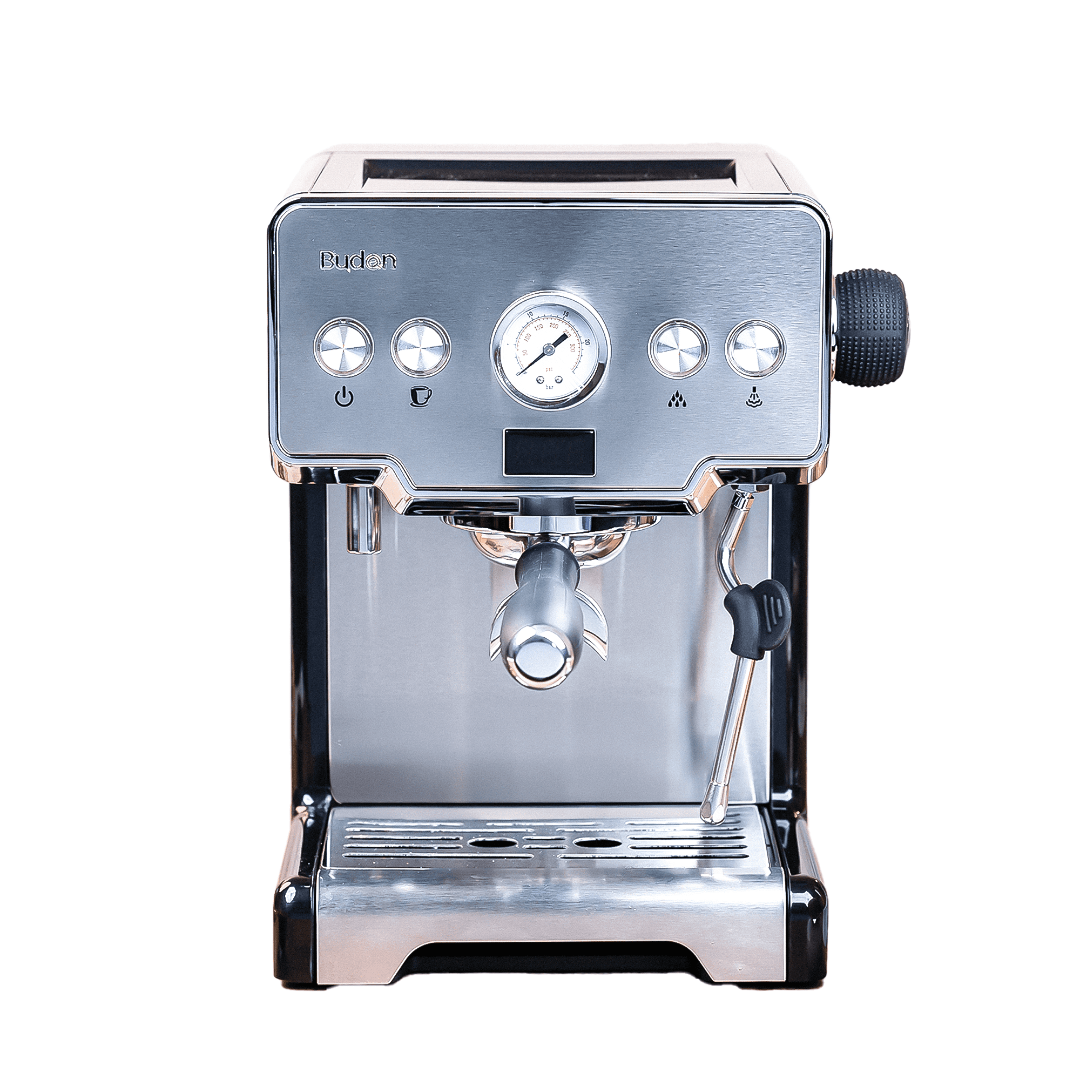
Budan Espresso Machine

Brand: Budan

Semi Automatic Machine

Regular price From Rs. 22,199.00
Sale price From Rs. 22,199.00 Regular price Rs. 49,999.00
Budan One Touch - Something's Brewing
BEST SELLER

Budan One Touch

Brand: Budan

Fully Automatic Machine

Regular price Rs. 15,299.00
Sale price Rs. 15,299.00 Regular price Rs. 29,999.00
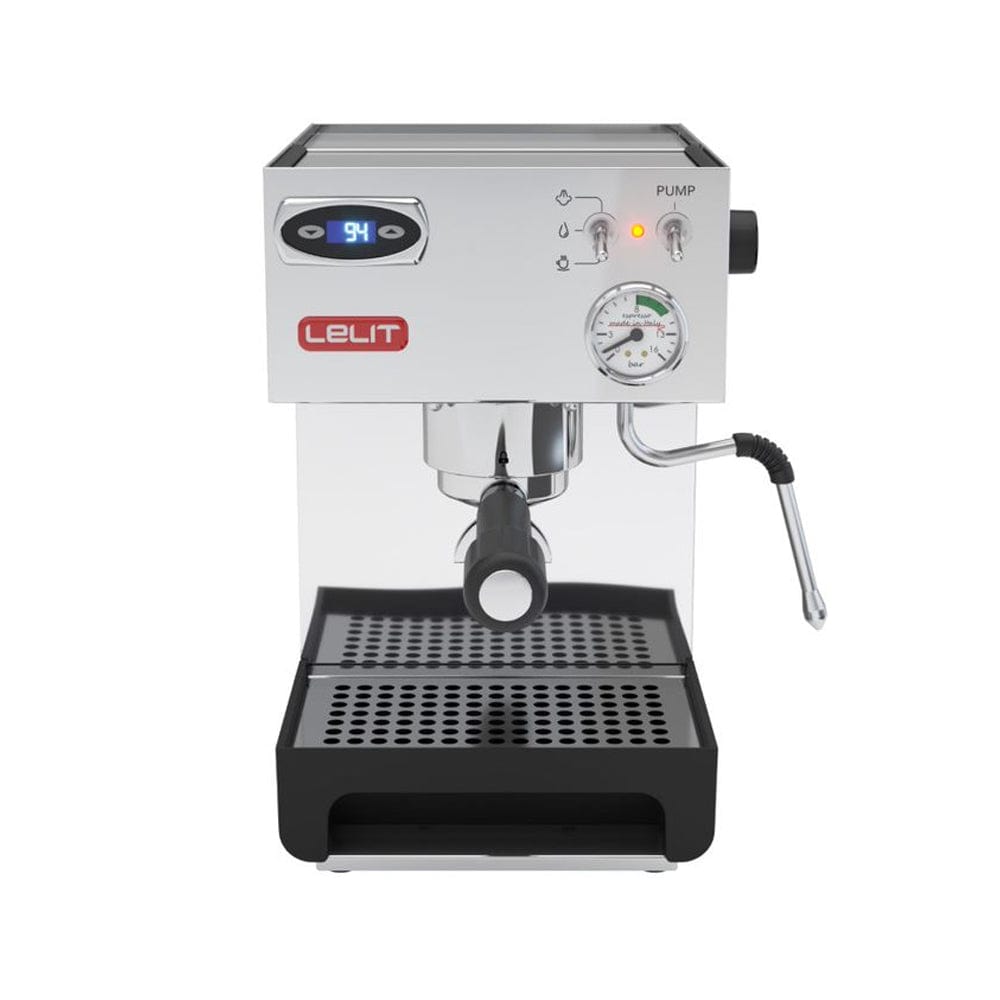
Lelit Anna With PID Espresso Machine - Something's Brewing

Lelit Anna With PID Espresso Machine

Brand: Lelit

Semi Automatic Machine

Regular price Rs. 67,799.00
Sale price Rs. 67,799.00 Regular price Rs. 74,999.00
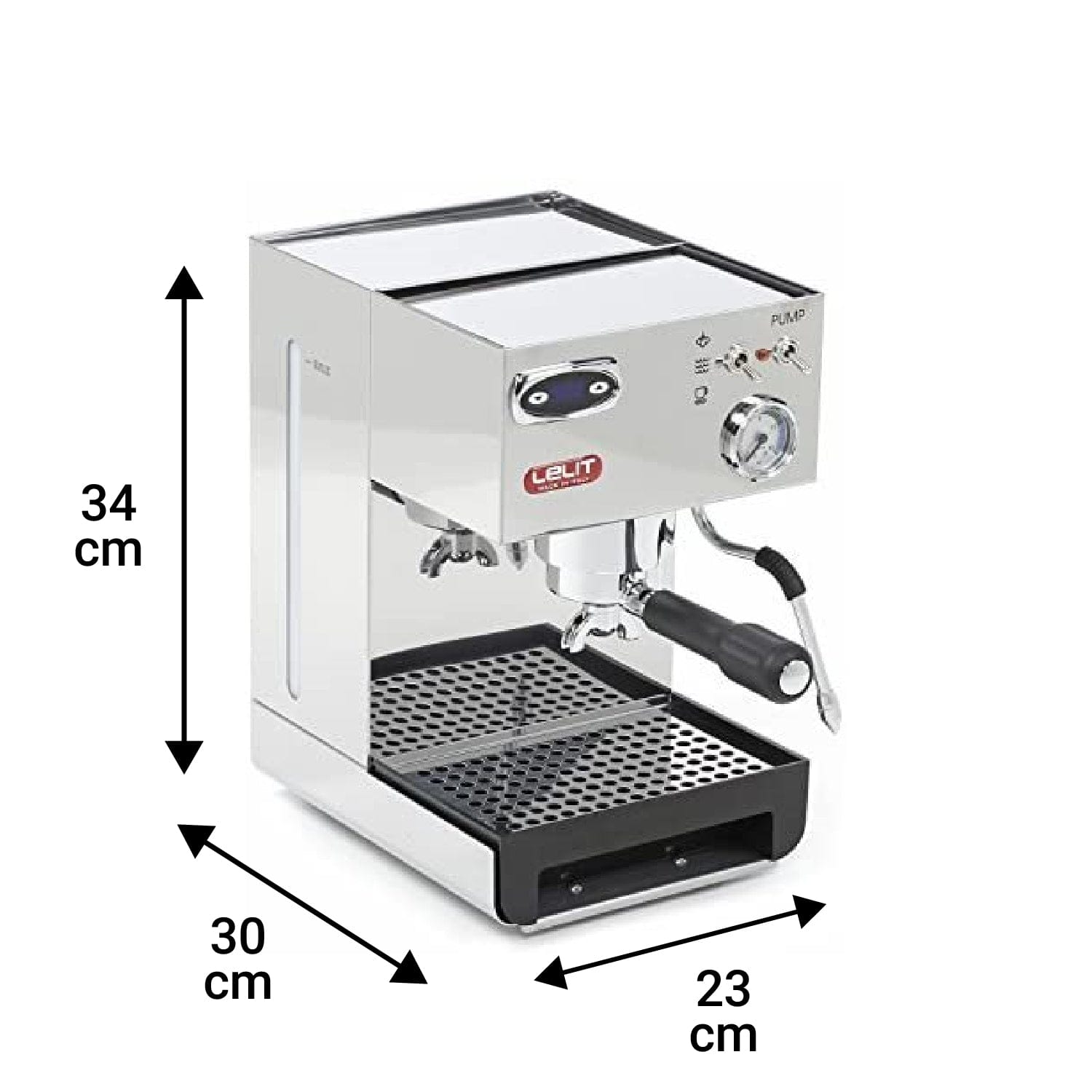
Lelit Anita With PID Espresso Machine - Something's Brewing
BEST SELLER

Lelit Anita With PID Espresso Machine

Brand: Lelit

Semi Automatic Machine

Regular price Rs. 80,399.00
Sale price Rs. 80,399.00 Regular price Rs. 99,999.00
Lelit Bianca Espresso Machine - Something's Brewing
BEST SELLER

Lelit Bianca Espresso Machine

Brand: Lelit

Semi Automatic Machine

Regular price From Rs. 269,299.00
Sale price From Rs. 269,299.00 Regular price Rs. 299,999.00
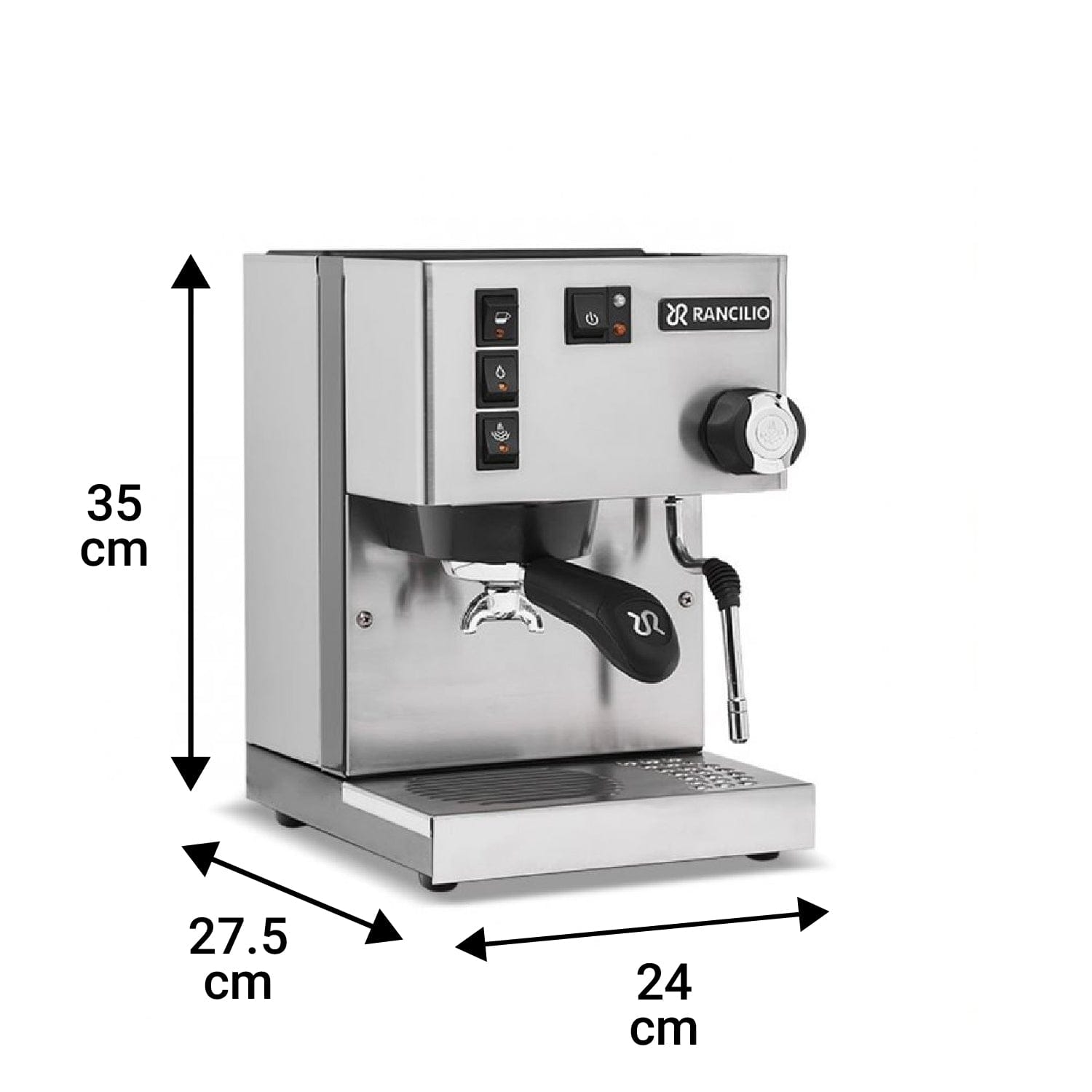
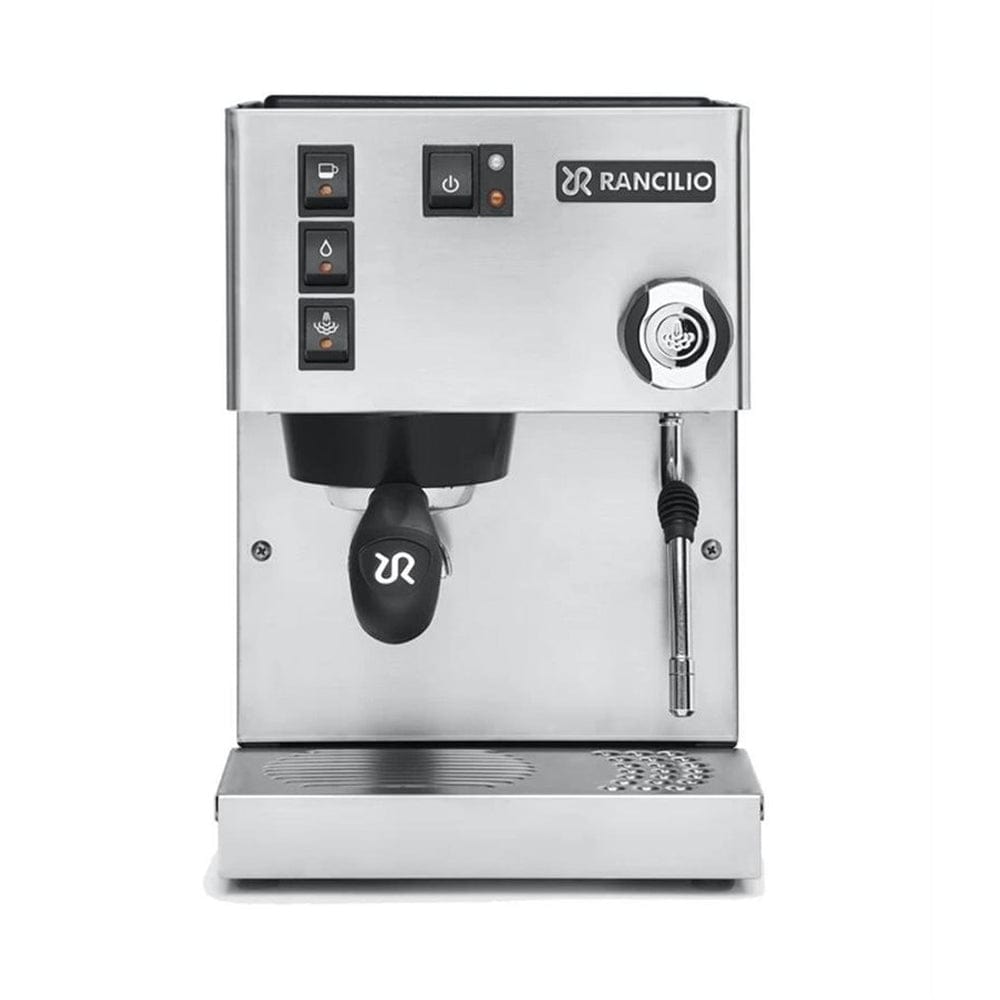
Rancilio Silvia V6 Single Boiler Italian Coffee Machine - Something's Brewing

Rancilio Silvia V6 Single Boiler Italian Coffee Machine

Brand: Rancilio

Semi Automatic Machine

Regular price Rs. 89,999.00
Sale price Rs. 89,999.00 Regular price Rs. 99,999.00
Lelit Elizabeth Dual Boiler with PID - Something's Brewing

Lelit Elizabeth Dual Boiler with PID

Brand: Lelit

Semi Automatic Machine

Regular price Rs. 155,000.00
Sale price Rs. 155,000.00 Regular price Rs. 199,999.00

What Is an Espresso Coffee Brewer and How to Choose One

Espresso coffee brewers force hot water through finely ground coffee at around 9 bar of pressure, producing a short, concentrated shot with crema. It is the only method that makes real espresso, and it is the base for every milk drink on a cafe menu.

Something's Brewing stocks espresso coffee brewers from Budan and Lelit, from the Budan One Touch at Rs. 15,299 up to the Lelit Bianca from Rs. 2,69,299, covering first machines, serious home setups and cafe grade equipment.

What is an espresso coffee brewer

An espresso coffee brewer is a pressure driven machine, which is what separates it from every other coffee maker. Filter and immersion methods rely on gravity or time. Espresso relies on force.

That pressure does two things. It extracts far more soluble material in far less time, which is why a 30ml shot tastes so much more intense than a mug of filter coffee. And it emulsifies the coffee oils into the liquid, producing crema, the dense golden layer that sits on a well pulled shot.

The standard shot is 18g of finely ground coffee in and around 36g of espresso out, over 25 to 30 seconds. Every drink from an americano to a cappuccino starts there.

Semi automatic or fully automatic

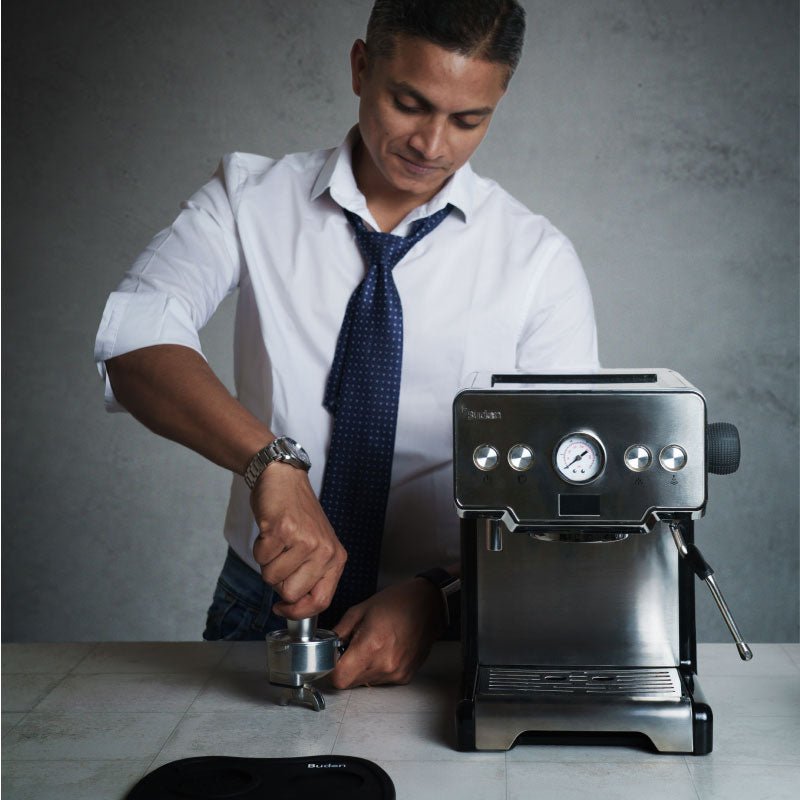
Semi automatic espresso machines leave grind, dose and tamp to you while handling pressure and temperature. That is where the learning happens, and it is why most home barista setups are built around one. The Budan Espresso Machine from Rs. 22,199 is the common entry point, and the semi automatic range covers the rest.

Fully automatic machines do everything at a button press, which suits a household that wants cafe quality espresso at home without a technique to learn. The Budan One Touch at Rs. 15,299 takes pods, capsules and ground coffee, and the wider fully automatic range covers larger models.

Machines with a built in grinder sit between the two. The Budan Inbuilt Espresso Machine at Rs. 44,999 pairs a semi automatic brew group with a conical burr grinder, which saves counter space and one purchase decision.

How to choose the right espresso coffee brewer

Temperature stability is the feature most worth paying for. Espresso extracts properly between 90 and 96 degrees Celsius, and a machine that drifts gives you a different shot every morning. A PID controller holds the target far more tightly than a basic thermostat, and the Lelit Anna, Anita, Elizabeth and Bianca all include one.

Boiler type decides how the machine handles milk. A single boiler heats for brewing then switches to steam, so you wait between the two. A thermoblock heats water on demand and warms up fast. A dual boiler runs both at once, with no waiting at all, which matters if you make several lattes and cappuccinos back to back.

Pressure control is where the spec sheets mislead. Machines list 15 or 16 bar, but that is the pump maximum, not what reaches the coffee. Espresso extracts best at around 9 bar at the group head, which the machine regulates down to, so a higher number is not a quality signal.

Brewing capacity should match your daily volume. Tank sizes here run from 1.2 to 2.8 litres, and a larger tank simply means fewer refills mid session. Think about how many cups you actually make in a morning rather than the maximum the machine can manage.

Ease of use and customizability pull in opposite directions. A fully automatic machine is easier and gives you almost no adjustment. A semi automatic asks more of you and rewards it with control over grind, dose and shot timing. Pick based on which you actually want.

Portafilter size matters for accessories and durability of the setup. 58mm is the commercial standard and gives you the widest choice of baskets, tampers and levellers and portafilters. Smaller 57mm fittings limit your options later.

What you need alongside the machine

An espresso coffee brewer is one part of a setup, and the grinder matters just as much as the machine itself.

  • A burr grinder capable of fine, adjustable grinding. Grind size is the main lever you use to control the shot, and no machine compensates for an inconsistent one. The electric grinders range covers espresso capable models.
  • A scale with 0.1g resolution to weigh dose and yield, since 18g in and 36g out cannot be judged by eye. A coffee scale makes shots repeatable.
  • A milk jug if you drink cappuccinos or lattes. A milk pitcher with a sharp spout is what makes microfoam pourable.
  • Fresh beans with a roast date, ideally used within a month. The espresso coffee beans range is roasted for pressure brewing.

Durability comes down to maintenance more than build quality. Wiping daily, backflushing weekly and descaling monthly is what decides whether a machine lasts five years or fifteen, and the machine cleaning range covers what you need.

Which espresso coffee brewer should you buy

If this is your first machine, start with a semi automatic in the Rs. 15,000 to Rs. 45,000 range and put real money into the grinder rather than stretching for a bigger machine.

If you are upgrading and already know how to dial in a grind and steam milk, a PID equipped machine is the next meaningful step, and a dual boiler after that if you regularly make several milk drinks in a row.

If you are buying for a cafe or a high volume setting, look at the cafe grade options, which are built for continuous use rather than a few shots a day. Compact designs suit home kitchens, while larger boilers and bigger tanks suit professional settings where the machine runs all day.

FAQ's

What is the difference between an espresso brewer and a coffee maker?
Pressure. An espresso coffee brewer forces water through the grounds at around 9 bar to make a concentrated shot. A coffee maker lets water pass through by gravity, producing a larger, lighter cup.
Do I need a separate grinder, or is a built in one enough?
A built in grinder works well and saves space, but it cannot be upgraded on its own and is usually less adjustable. A standalone grinder gives you finer control and outlives most machines.
Is 15 bar better than 9 bar?
No. 9 bar at the group head is the target for espresso, and 15 or 16 bar is simply the pump's maximum rating. Nearly all home machines are specified this way, so it is not a quality difference.
How long does an espresso machine take to warm up?
Between 10 and 30 minutes depending on the machine, and the ready light comes on well before the group head is actually hot. Leave the portafilter locked in while it heats and flush a blank shot before brewing.
Can I make cappuccino and latte on any of these machines?
Any model with a steam wand, yes. Semi automatic machines give you manual control over milk texturing, while fully automatic models with a milk system handle it at a button press.
How often does an espresso machine need descaling?
Every one to three months in most Indian homes, depending on water hardness. Using filtered water in the tank stretches the interval and is the single easiest way to extend the machine's life.