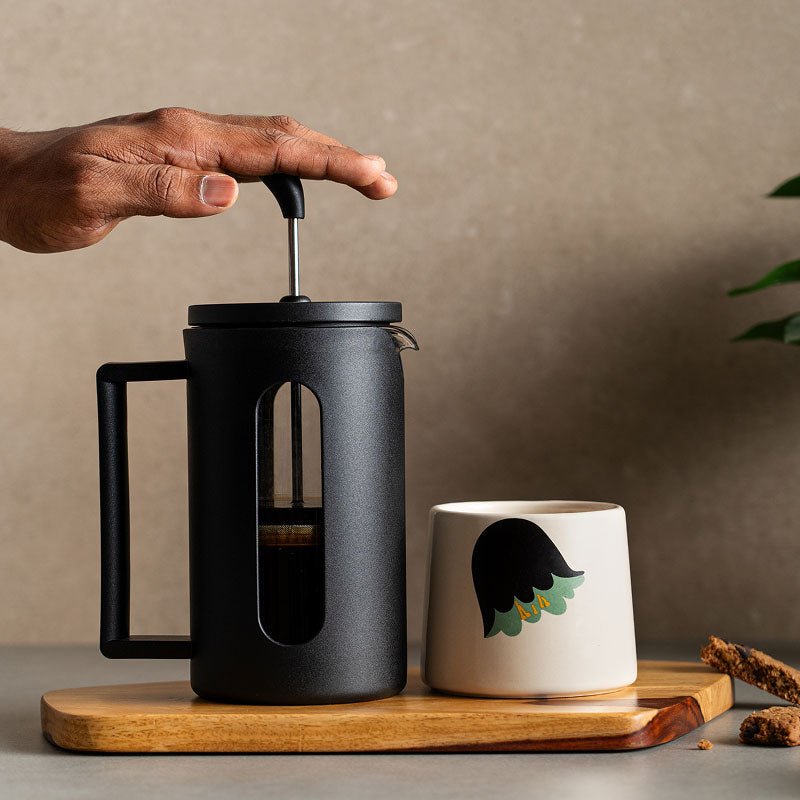
Black coffee is just coffee and water. No milk, no sugar, no syrup. Drunk in sensible amounts it gives you caffeine, a useful dose of antioxidants and almost nothing in the way of calories. It also has a genuine downside list, and most of that comes down to how much you drink and when, rather than anything wrong with the coffee itself.
Interest in black coffee has climbed sharply in India over the last few years, largely because people are looking for a drink that fits around fitness goals and calorie tracking. The claims that travel alongside it are a mixed bag though. Some are well supported by research, some are wildly exaggerated, and a few are simply wrong. Here is what holds up.
What a cup of black coffee actually contains
A standard 240 ml cup of brewed black coffee has roughly 2 calories, which is why it slips under almost every diet plan without registering. It carries somewhere between 95 and 165 mg of caffeine depending on the beans and the brew, and if you want the detail on that, the breakdown of caffeine in coffee is worth a read.
Beyond caffeine, the cup contains chlorogenic acids and other polyphenols. These are the compounds doing most of the work behind the antioxidant claims. Milk and sugar do not remove them, but they do change the calorie picture completely, which is where the calorie difference between black and milk coffee starts to matter.
The benefits that hold up
The clearest and least disputed effect is on alertness. Caffeine blocks adenosine, the compound that builds up through the day and makes you feel sluggish, which is why focus and reaction time improve within about 30 minutes of drinking. This is not a small effect and it is the reason most people drink coffee in the first place.
The second is a modest metabolic one. Caffeine lifts your resting metabolic rate slightly and increases fat oxidation during exercise, which is why a cup 30 to 45 minutes before a workout is a common habit among people who train regularly. The size of the effect is small, in the region of 50 to 100 extra calories a day for a regular drinker, so it supports a routine rather than replacing one.
Regular coffee drinking is also associated with a lower risk of type 2 diabetes across large population studies. Association is not the same as cause, and the people in those studies differ in dozens of other ways, so it is worth holding that one loosely.
Is black coffee good for the liver
This is one of the better supported associations in the whole coffee research field. Regular coffee drinkers consistently show lower rates of liver scarring and better liver enzyme readings than non drinkers, and the effect appears in both filtered and unfiltered coffee. Researchers think the chlorogenic acids and other compounds are responsible rather than caffeine alone, since decaf shows a similar pattern. It is not a treatment for anything, and anyone with an existing liver condition should be guided by their doctor rather than a coffee habit.
Black coffee and blood sugar
Plain black coffee has no sugar and no meaningful carbohydrate, so it does not spike blood glucose on its own. Caffeine can temporarily reduce insulin sensitivity in some people, which sounds alarming but tends to be short lived and is not seen as a problem in habitual drinkers. The thing that genuinely affects blood sugar is what gets added to the cup. A coffee with two spoons of sugar and full fat milk is a different drink with a different metabolic effect, and anyone managing diabetes should be treating those as two separate things.
Black coffee benefits for skin
The skin claims are the weakest of the lot and get oversold constantly. Coffee contains antioxidants, and antioxidants matter for skin health in a general sense, but there is no reliable evidence that drinking black coffee clears acne, lightens skin or reverses ageing. Where it can genuinely help is indirect. Swapping a sugary milk coffee for a black one cuts a meaningful amount of daily sugar, and reduced sugar intake does show up in skin outcomes over time.
The side effects and disadvantages
Almost every downside of black coffee is dose related or timing related. Very few people need to give it up entirely.
|
What happens |
Why it happens |
What usually helps |
|
Disturbed sleep |
Caffeine has a half life of 5 to 6 hours, so an evening cup is still active at midnight |
Stop caffeine at least 8 hours before bed |
|
Acidity or reflux |
Coffee stimulates stomach acid, and lighter roasts are more acidic |
Eat first, switch to a darker roast, or try cold brew |
|
Jitters and racing heart |
Caffeine triggers a stress response, and sensitivity varies genetically |
Smaller cups, half decaf, or pair with food |
|
Reduced iron absorption |
Polyphenols bind to non heme iron from plant sources |
Leave an hour gap between coffee and iron rich meals |
|
Short term blood pressure rise |
A temporary effect that fades with regular use |
Monitor if you already have hypertension |
|
Withdrawal headaches |
The body adapts to a daily dose and reacts when it disappears |
Taper down rather than quitting suddenly |
The iron one deserves a mention because it gets overlooked in India, where plant based diets are common and iron deficiency is widespread. The interaction is real but manageable. Drinking your coffee an hour away from meals removes most of the problem.
When you drink it changes the experience
A cup first thing on an empty stomach is fine for most people. A minority get nausea or a burning feeling, and for them the fix is usually eating something small first or moving to a lower acidity brew rather than giving up the habit.
Caffeine researchers generally suggest mid morning, roughly between 9:30 and 11:30, as the point where a cup does the most useful work. Drinking straight after waking means the caffeine competes with your natural cortisol rise, so you feel less from it. Late evening coffee is the one worth being strict about. If you like the ritual at night, decaffeinated coffee gives you the same routine without the sleep cost.
How much black coffee per day
Most health authorities put the safe upper limit for healthy adults at around 400 mg of caffeine a day, which works out to roughly three to four standard cups or four to five single espressos. During pregnancy the usual advice is to stay under 200 mg, and anyone with an anxiety disorder, a heart condition or ongoing sleep trouble will want to sit well below the general limit.
Your own tolerance matters more than any published number. If you are jittery at two cups, two cups is your ceiling regardless of what a guideline says.
Getting more out of the cup
Black coffee that tastes harsh is usually a bean or brewing problem rather than a reason to add sugar. Stale beans, water poured at a full boil and pre ground coffee sitting open in a cupboard all push a cup toward bitterness. Buying freshly roasted coffee beans with a visible roast date fixes more of this than any other single change.
Brewing method shapes the result too. A pour over gives you a lighter, cleaner cup that is far easier to enjoy without milk, while a French press or moka pot leans bold and heavy. If you are still working out which suits you, the guide to black coffee brewing methods covers the practical differences between them.