How Much Caffeine Does Coffee Have?
A regular 240 ml cup of brewed coffee has about 95 mg of caffeine. An espresso shot has about 63 mg, a cup of instant coffee about 62 mg, a cup of cold brew anywhere from 150 to 250 mg, and decaf only a few mg at most. The exact amount depends on how the coffee is made, how much coffee goes into the cup and how big the cup is, which is why the same "cup of coffee" can have double the caffeine of another.
Caffeine in Coffee at a Glance
|
Coffee type |
Serving |
Approximate caffeine |
|
Brewed (drip, batch brew, percolated) |
240 ml |
95 mg |
|
Espresso |
1 shot (30 ml) |
63 mg |
|
Americano |
1 shot / 2 shots |
63 mg / 125 mg |
|
Instant coffee |
240 ml |
60 to 65 mg |
|
Cold brew |
240 ml |
150 to 250 mg |
|
Decaf |
240 ml |
1 to 15 mg |
Caffeine in Coffee by Brewing Method
Hot Brewed Coffee: Drip, Batch Brew and Percolated
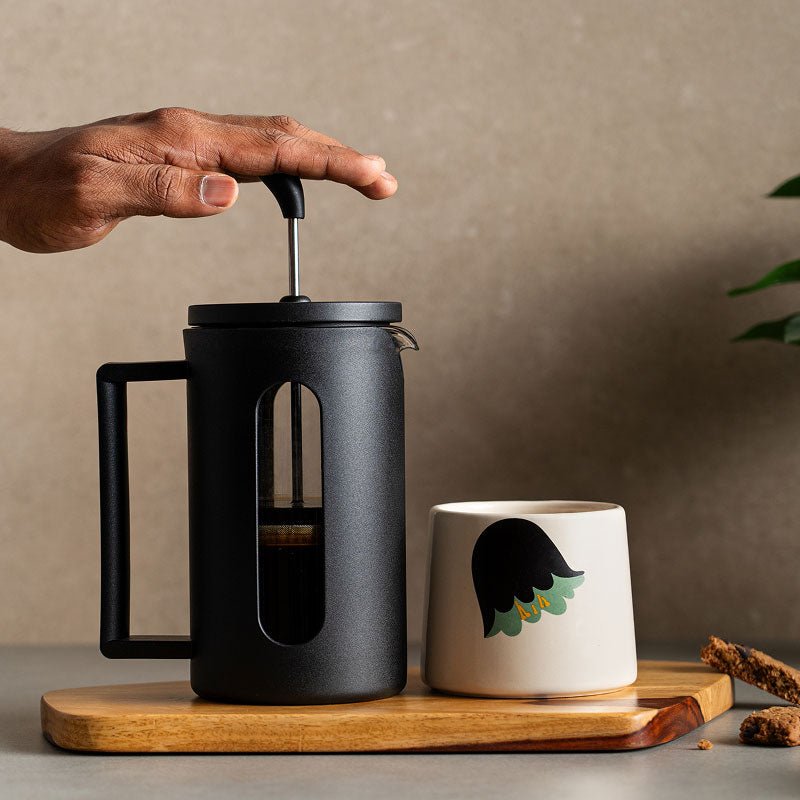
Most home and office coffee is brewed by pouring hot water over ground coffee, whether in a drip machine, a batch brewer or a percolator. A 240 ml cup of this coffee averages about 95 mg of caffeine, though a weak pot may give closer to 70 mg and a strong one 140 mg. The difference comes mostly from the ratio of coffee to water. More ground coffee per cup means more caffeine in the cup.
Caffeine in 16 oz Coffee and Larger Cups
A 16 oz coffee is about 475 ml, so it holds roughly twice a standard cup, around 190 mg. A large takeaway cup can therefore deliver half of the daily limit in one go. For bigger volumes, the same maths applies: 1 litre of brewed coffee has about 400 mg of caffeine, and a 48 oz (1.4 litre) pot has around 570 mg across all the cups poured from it. Check the cup size before you count your cups, because a "cup" in a café is rarely 240 ml.
Espresso and Americano
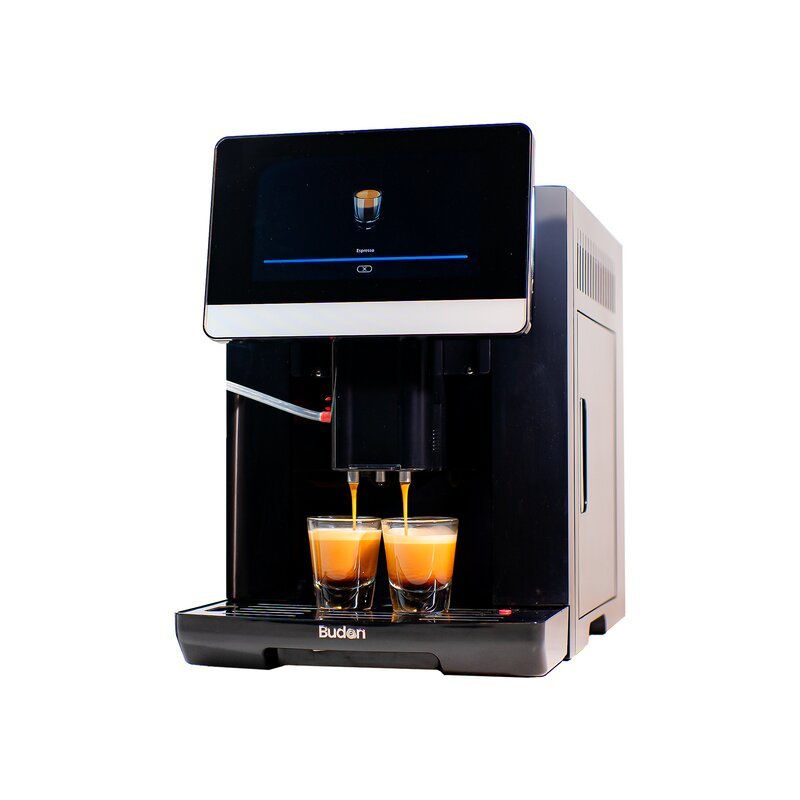
A single espresso shot has about 63 mg of caffeine. It looks small, but the shot is only 30 ml, so espresso has far more caffeine per millilitre than brewed coffee. A cup of brewed coffee still has more caffeine in total, simply because it is a bigger drink. A ristretto is a shorter shot made with less water, so it is even more concentrated per millilitre.
An Americano is espresso topped up with hot water, and the water adds volume but no caffeine. A single-shot Americano has about 63 mg and a double-shot has about 125 mg. The difference between espresso and Americano is in the water, not in the caffeine, so the number of shots is what counts.
Cold Brew
A 240 ml serving of cold brew can have 150 to 250 mg of caffeine, depending on whether it is a concentrate or has been diluted with water or ice. Cold brew is made with a lot of coffee steeped for many hours, so it is usually more concentrated than a hot cup. A ready-to-drink, fully diluted cold brew comes out close to a hot brewed cup. If you make cold brew at home, the concentrate strength decides how much caffeine you get, so dilute it to taste and count the concentrate as a stronger drink.
Instant Coffee and 2 Rupee Coffee Sachets
For the same amount of coffee, instant has about half the caffeine of freshly brewed coffee. A 240 ml cup of instant has around 60 to 65 mg, depending on whether it is Robusta or Arabica and whether it contains chicory. Chicory has no caffeine, so a blend with chicory has less.
The small 2 rupee coffee pouches hold only a gram or two of powder. As a rough estimate, one pouch gives about 30 to 60 mg of caffeine in a cup, which is less than a regular cup of brewed coffee. The exact figure changes with the brand and the blend, so the pack is the best source.
Decaf Coffee
Decaf is not completely caffeine-free. A 240 ml cup has about 1 to 15 mg, depending on the brand and how it was decaffeinated, which is far less than regular coffee but not zero. If you are sensitive to caffeine or avoiding it in the evening, decaf is a practical option, though several cups will add up.
What Does 60 mg of Caffeine Equal?
60 mg of caffeine is about one espresso shot, about one cup of instant coffee, or roughly 150 ml of brewed coffee. 50 mg is a little less than a single shot, or about 125 ml of brewed coffee. Both are small amounts, well under the daily limit for healthy adults.
What Changes the Caffeine in Your Cup
Arabica vs Robusta
The figures above assume 100% Arabica. Robusta has about double the caffeine, at 3.5 to 4% by weight compared with 1.5 to 2% for Arabica. A blend with Robusta will push the caffeine in your cup up, and so will a stronger recipe. As a rough guide, 4 g of Arabica beans holds about 60 to 80 mg of caffeine before brewing, and a cup extracts a little less than the full amount.
Serving Size, Ratio and Brew Time
- Serving size: a bigger cup has more caffeine, so measure in ml or oz, not cups.
- Coffee to water ratio: more coffee per cup means a stronger drink and more caffeine.
- Brew time: longer contact between water and coffee, as in cold brew, pulls out more caffeine.
- Bean type: Robusta has more caffeine than Arabica.
- Dilution: adding water, milk or ice lowers the strength per sip but not the total caffeine already in the cup.
How Much Caffeine Is Too Much?
Experts say up to 400 mg of caffeine a day is safe for most healthy adults, which is about four 240 ml cups of brewed coffee. Some people feel jittery or restless on much less, so go by how you feel. Pregnant people and those breastfeeding should check with a doctor about their limit. If you enjoy black coffee, keeping track of the cup size and the brew method is the easiest way to stay within your own limit.