Barista Tools: Tampers, Levelers, Portafilters and Scales
Barista tools are the hand tools that sit between your machine and the cup: tampers, levelers, portafilters, scales, knock boxes and milk pitchers. The gap between a cafe espresso and a home one is rarely the machine. It is usually a level puck, a measured dose and a clean group head, which is exactly what these tools give you. Something's Brewing stocks the working set from Budan, Lelit, Timemore, Wacaco and Hario, sized for the machines we sell.
What is in the barista tools collection at Something's Brewing
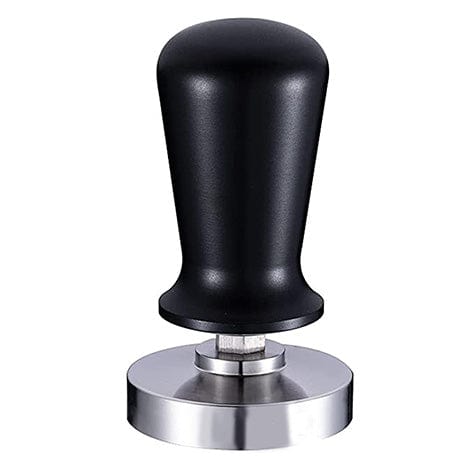
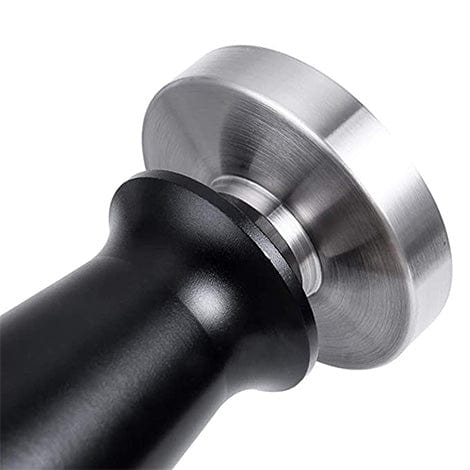
Tampers. Flat base tampers with wooden handles in 58mm and 57mm, plus calibrated click tampers that stop at a set pressure, and push tampers for quicker service.
Levelers and distributors. Budan and Lelit levelers in both diameters, for flattening the grounds before the tamp.
Portafilters. Bottomless portafilters for watching your extraction, one way and standard versions, including the 57mm fittings for the Lelit Anna and Anita.
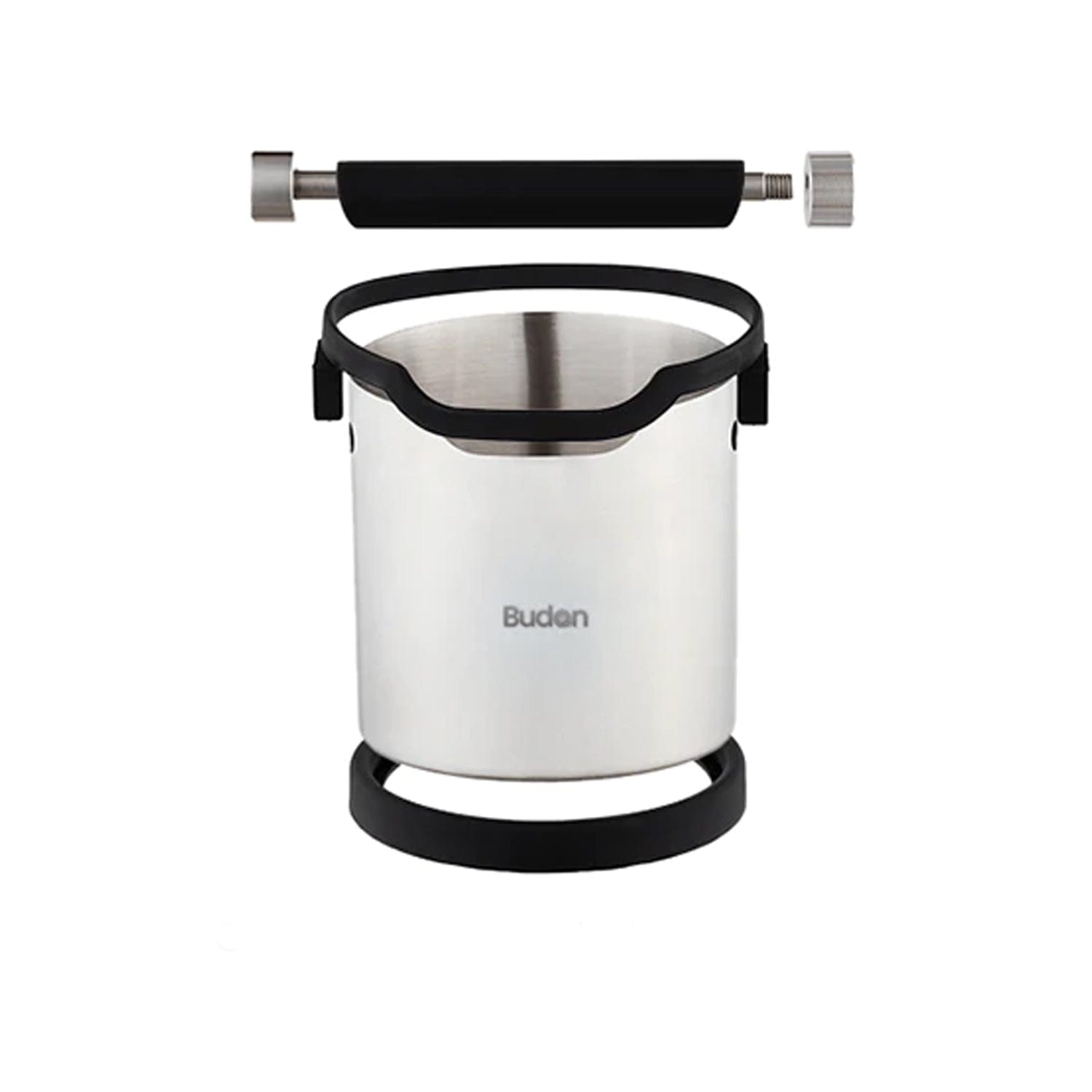
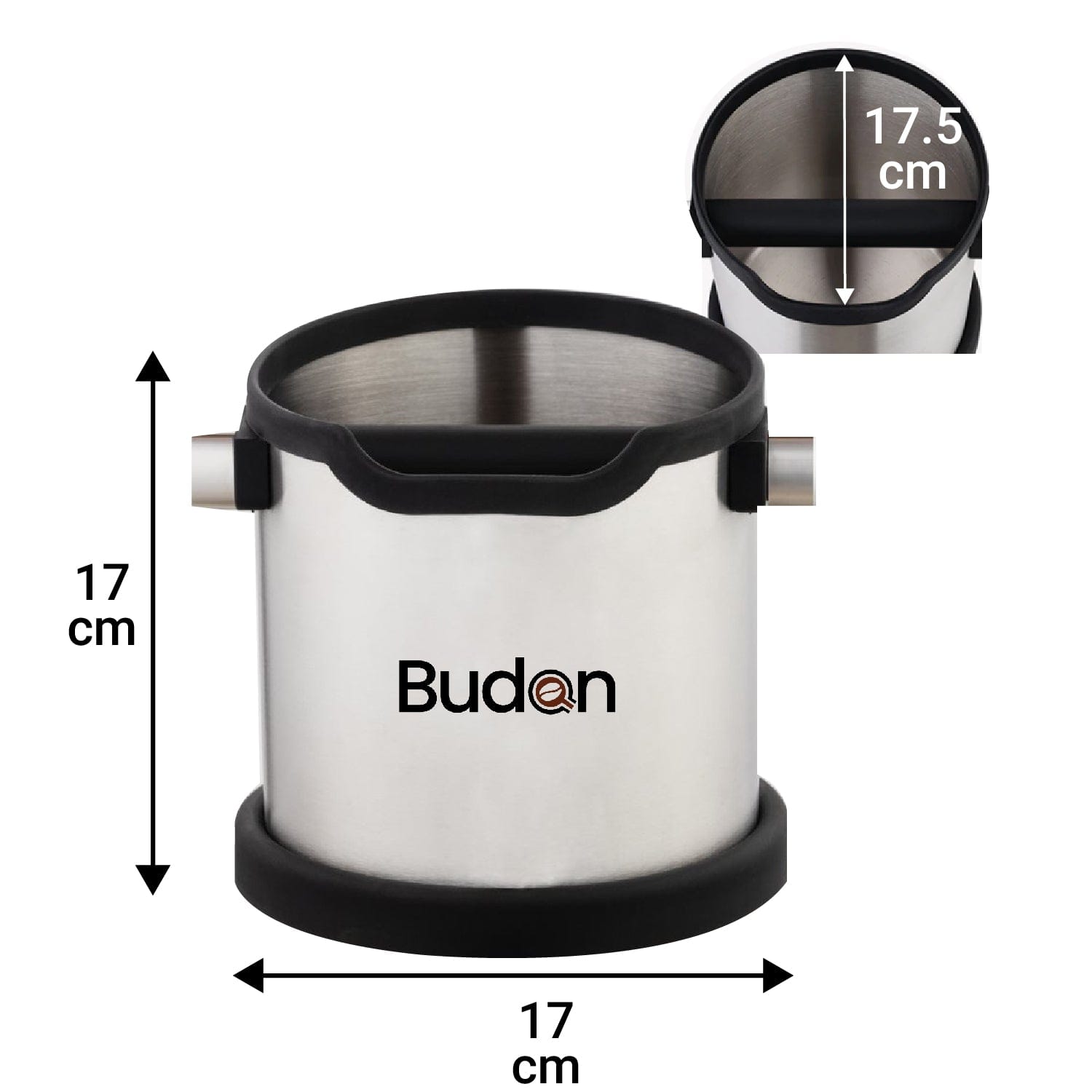
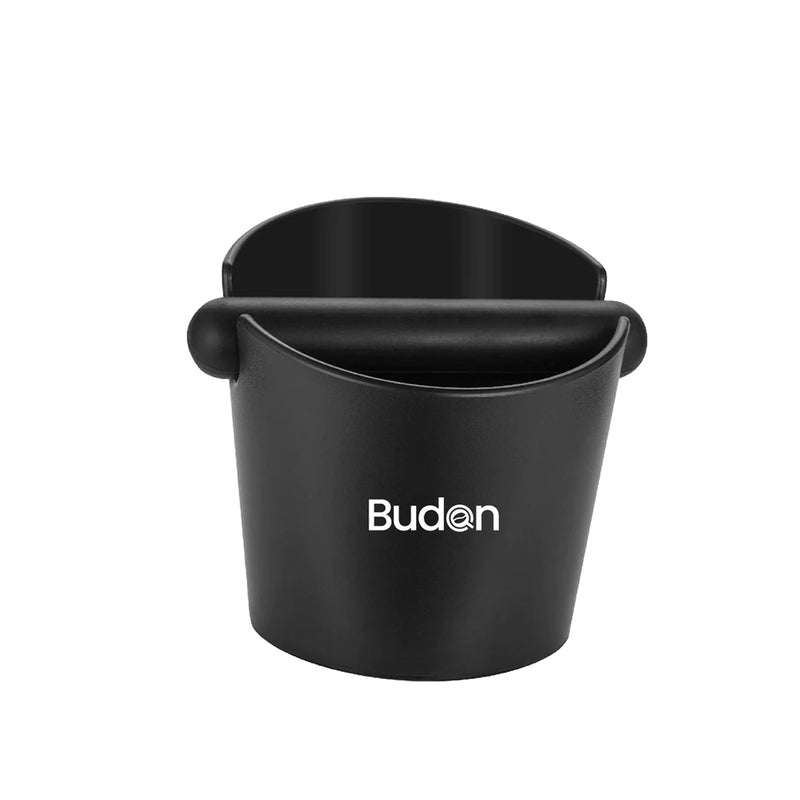
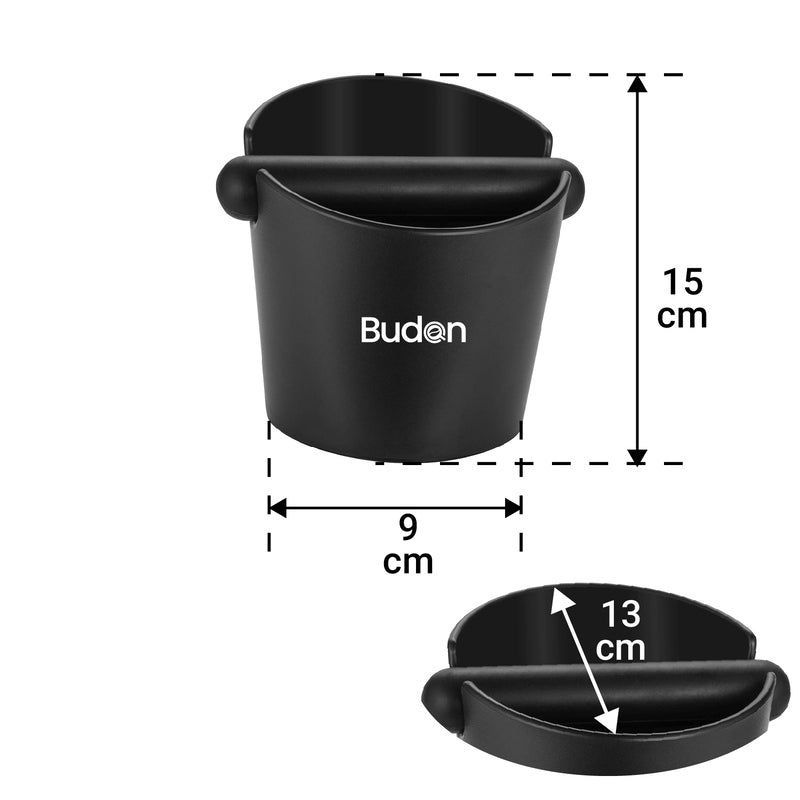
Knock boxes. Stainless steel in standard and bottomless, the latter dropping straight through into a bin below the counter.
Scales. Brewing scales reading to 0.1g with built in timers, from Wacaco and Hario.
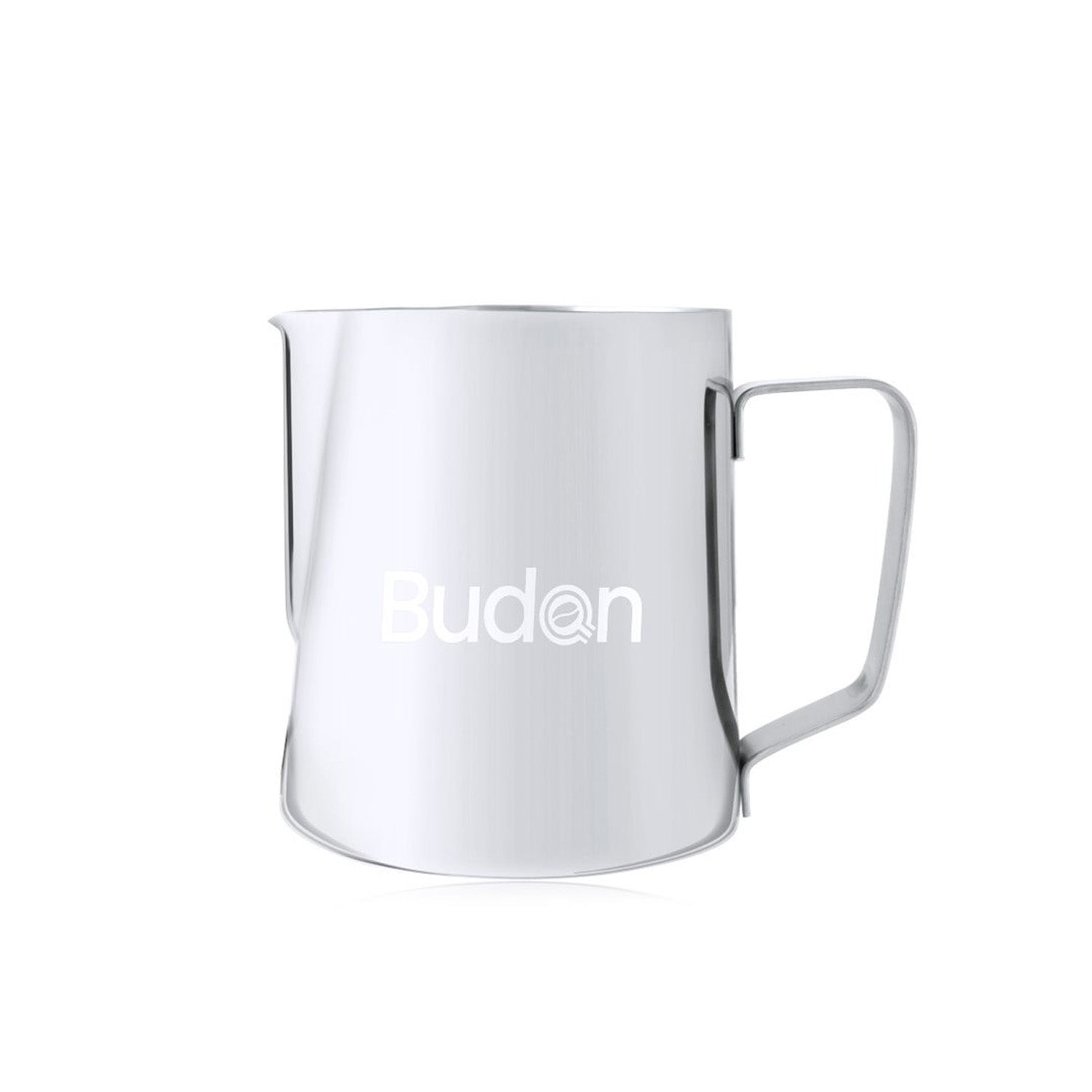
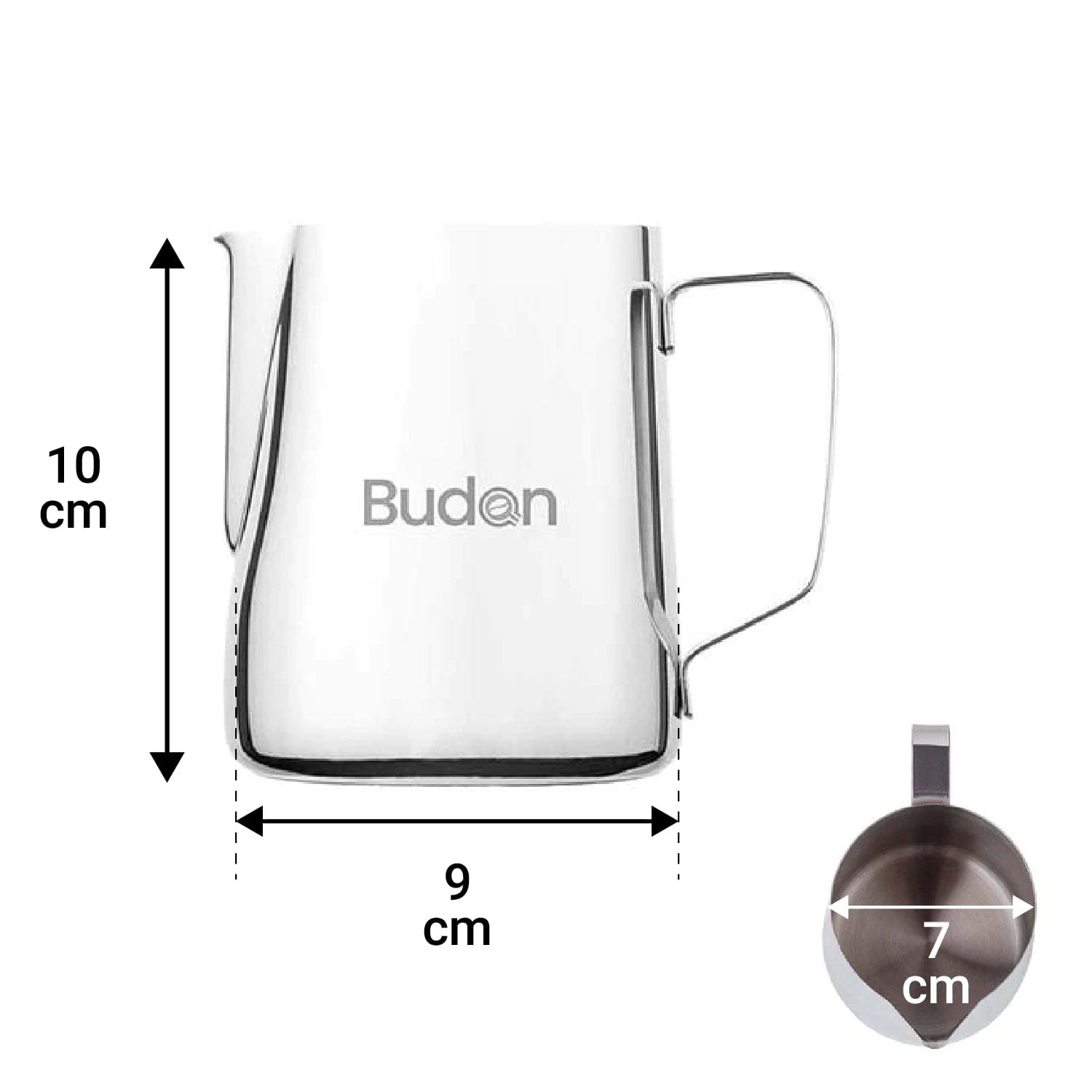
Milk pitchers. Steaming pitchers from 350ml to 600ml for cappuccinos, lattes and latte art.
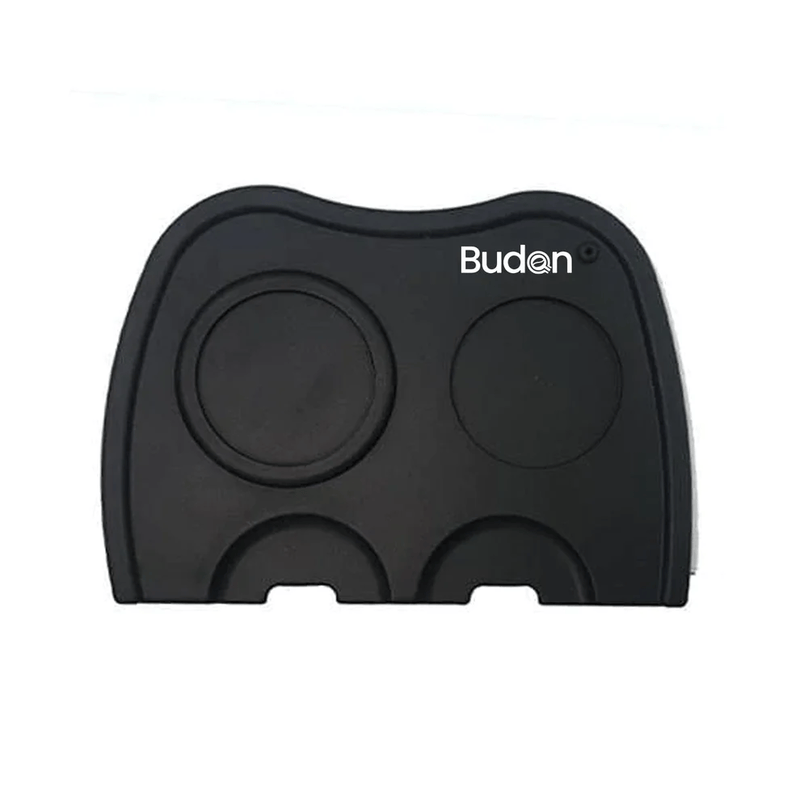
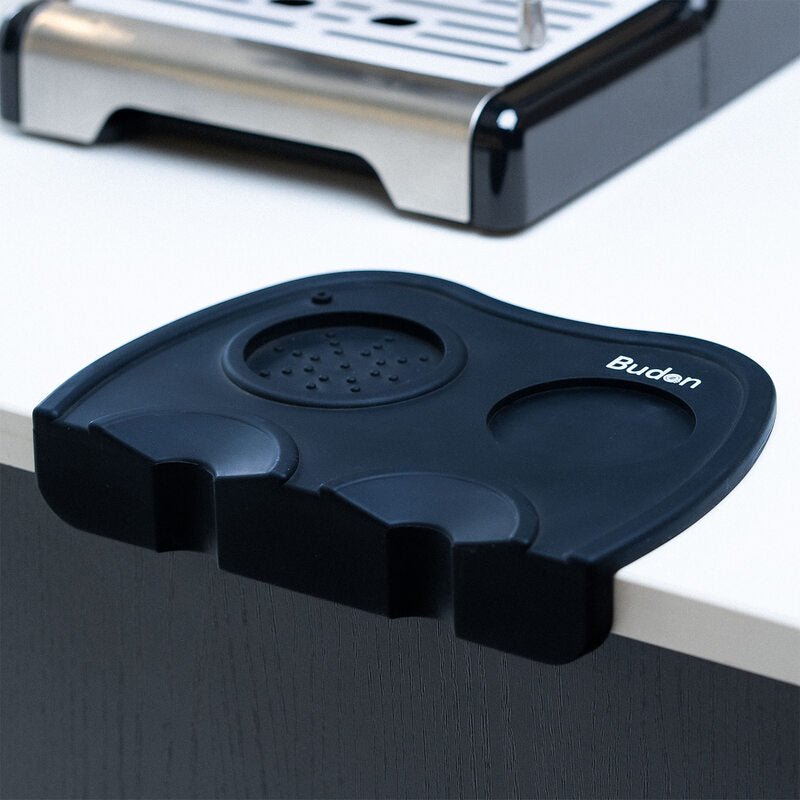
Bench kit. Tamping mats, magnetic dosing funnels and portafilter stands.
The order to buy them in
Most people buy these in the wrong sequence. This one improves the cup fastest.
Start with a scale. Until you are weighing the dose going in and the espresso coming out, nothing else you change is a controlled experiment. A scale reading to 0.1g with a timer lets you track dose, yield and time together, and our weighing scales range covers the models built for it.
Then a tamper. The one that came in the box is almost always a millimetre or two undersized and too light to feel what you are doing, so grounds escape around the rim and the bed ends up tilted without you noticing. A tamper matched to your exact basket diameter is the cheapest meaningful upgrade most people can make.
Then a leveler. It sets the grounds flat before the tamp, which matters more than how hard you press. Between a leveler and a proper tamper you remove most of the inconsistency a beginner introduces, and our tampers and levelers range covers both in matching sizes.
After that, a knock box when emptying pucks into a bin gets tiresome, a milk pitcher if you drink milk coffee, and a bottomless portafilter last, as a diagnostic rather than a daily driver.
What you are actually preventing is channeling. When one part of the puck is less dense than the rest, water finds that path, over-extracts a narrow channel and under-extracts everything around it. The shot runs fast and tastes thin and bitter at once, which is the symptom most people blame on their beans.
Which tools do you actually need
At home. A scale, a tamper and a leveler cover almost everything for years. Add a pitcher if you drink milk coffee and a knock box once emptying pucks into the bin becomes a chore.
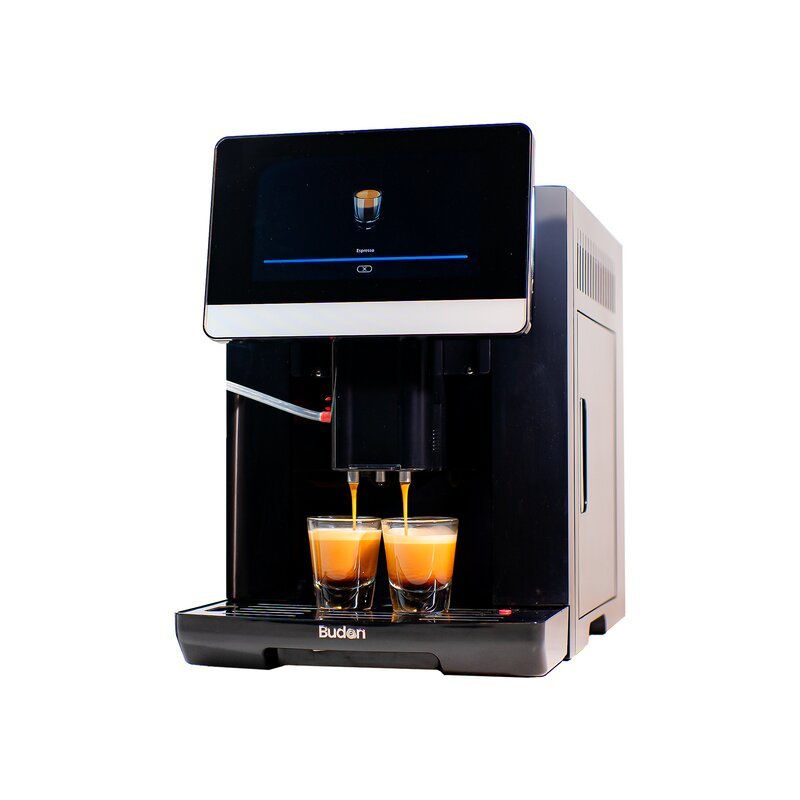
In an office. Fewer tools is better, because anything requiring technique will not be used consistently by a dozen people. On a fully automatic machine you need little beyond cleaning supplies. On a semi automatic, one calibrated tamper, one leveler and a scale, and expect one or two people to do the dialling in.
In a cafe. Duplicate everything that touches the bench. Two tampers, two pitchers, a bottomless portafilter for training, and a knock box that empties into a bin rather than needing emptying itself. During service the bottleneck is always someone waiting for a tool another person is holding.
58mm or 57mm: getting the fit right
This causes more returns than anything else on this page. Check your machine's basket diameter before buying anything that goes into it.
When you need 58mm
58mm is the commercial standard, used by most semi automatic machines built on commercial geometry. It also has the widest choice of tampers, levelers, baskets and portafilters, which matters if you plan to keep upgrading.
When you need 57mm
Lelit uses 57mm across much of its range, including the Anna and Anita. A 58mm tamper will not seat in a 57mm basket, and a 57mm tamper in a 58mm basket leaves an unsealed rim where water escapes around the edge.
A millimetre sounds trivial and is not. Tools are sold by exact diameter for this reason, so buy to the number rather than to the brand on your machine. Our portafilters range lists the fitting for each model, and if you are unsure, tell us the machine and we will tell you the size.
What separates a good tool from a cheap one
Food grade stainless steel on anything touching coffee or milk. It holds no flavour, does not corrode, and survives being dropped.
Weight and balance on a tamper. Enough mass to feel when the bed is level, and a handle shaped to let you press straight down rather than at an angle.
A stable base on a knock box. If it tips when you knock a puck into it, it is worse than no box at all.
Heat resistance on mats and stands. Thin plastic deforms against a hot portafilter and then stops sitting flat.
Clear markings on pitchers and legible displays on scales. Both get used wet and in a hurry.
The usual failure point is a plastic tamper handle splitting at the join after a few hundred shots, which is why everything here is steel where it matters.
Looking after them
Rinse anything that touched milk straight away, while it is still warm. Dried milk takes far more effort to shift, and a pitcher that has not been washed properly affects the next drink you make in it.
Coffee oils are the other half of it. They build up in the group head, the shower screen and the basket, and they go rancid. A group head brush and a weekly backflush with a blind basket and a cleaning tablet removes them, and our machine cleaning range covers the brushes, tablets and descalers.
Anything with a wooden handle should stay out of the dishwasher. The heat and detergent dry the wood and it eventually splits.