How Much Electricity Does a Coffee Machine Use, and How to Cut It
A home coffee machine uses between 0.3 and 1.5 units of electricity a day depending on the type and how often it is left switched on. The single biggest saving is not which machine you buy, it is whether it sits idle at temperature for hours.
Most of the sustainability conversation around coffee focuses on pods and packaging. Energy is the part people rarely measure, and it is the part you control every morning. It is also the part where the advice online is least reliable, because efficiency claims on coffee machines are almost never independently tested.
Where the energy actually goes
Heating water is almost all of it. Grinding, pumping and electronics are a rounding error by comparison. That single fact decides which features are worth paying for and which are marketing.
A thermoblock heats water on demand as it passes through, so it only heats what you use. A traditional boiler holds a full tank at temperature and reheats it whenever it drops. For one or two cups a day, thermoblock wins comfortably. For a household making six drinks back to back, a boiler wins, because it is not restarting from cold each time.
Wattage on the box tells you peak draw, not daily consumption. A 1,400 watt machine that runs for two minutes uses far less than a 900 watt machine left warm for eight hours. Read the two numbers together rather than treating the lower wattage as automatically greener.
The idle time problem
This is the one thing worth changing today, whatever machine you own. A machine left on all day to stay ready can use more electricity keeping itself warm than it does brewing coffee.
The fix depends on what your machine offers. If it has an auto standby, set it to the shortest interval you can live with, bearing in mind that a machine shutting off after nine minutes is useless if breakfast takes fifteen. If it has no standby at all, a timer plug costing a few hundred rupees will switch it on twenty minutes before you get up and off again once you have left the house.
Either route removes the largest single source of waste in home coffee, and neither one changes how the coffee tastes.
Which type of coffee machine uses the least energy
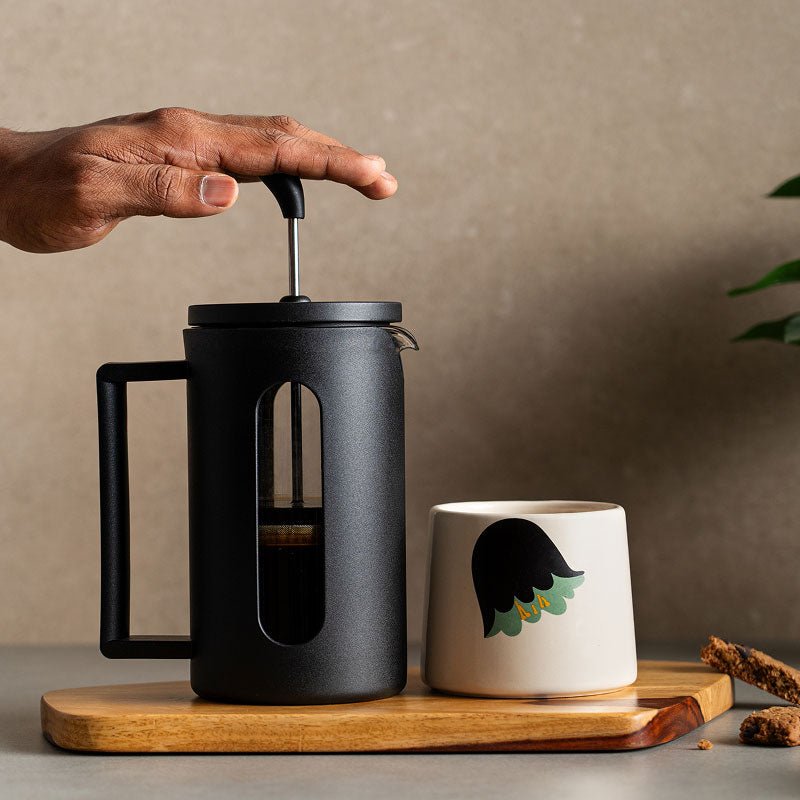
Manual brewers use no electricity at all beyond boiling water, which makes a pour over dripper or a French press the lowest energy option by a wide margin. You still boil a kettle, but you boil only what you need.
Pod machines heat a small volume very quickly and switch off automatically, so their running cost is low. The pods themselves carry a packaging footprint that offsets the saving, and that footprint arrives with every single cup rather than once at purchase.
Semi automatic machines vary enormously. A thermoblock model used twice a day is efficient. The same model left switched on from morning to evening is not. The machine is not the variable here, the habit is.
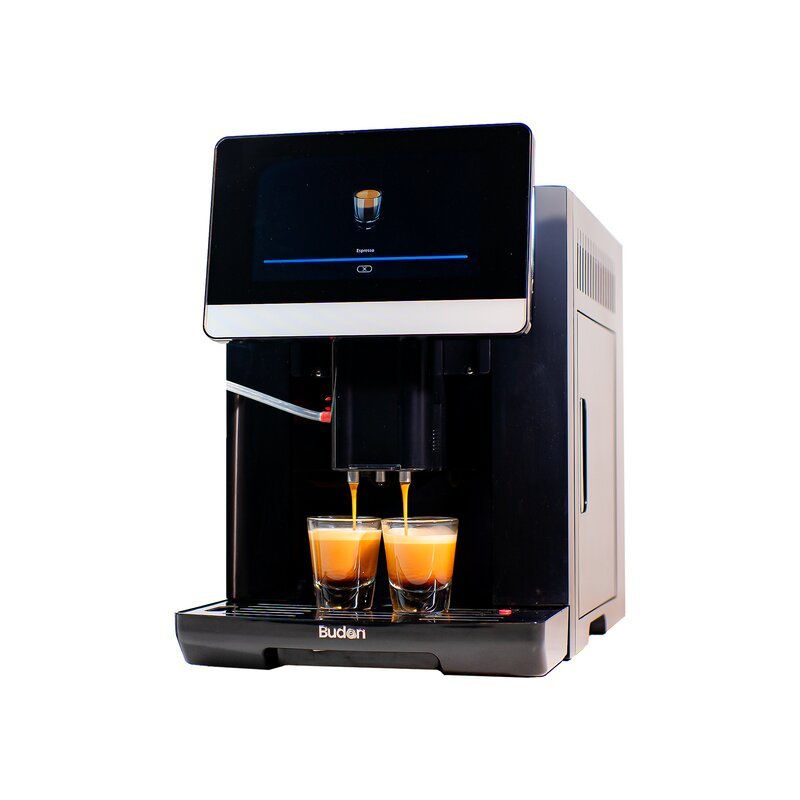
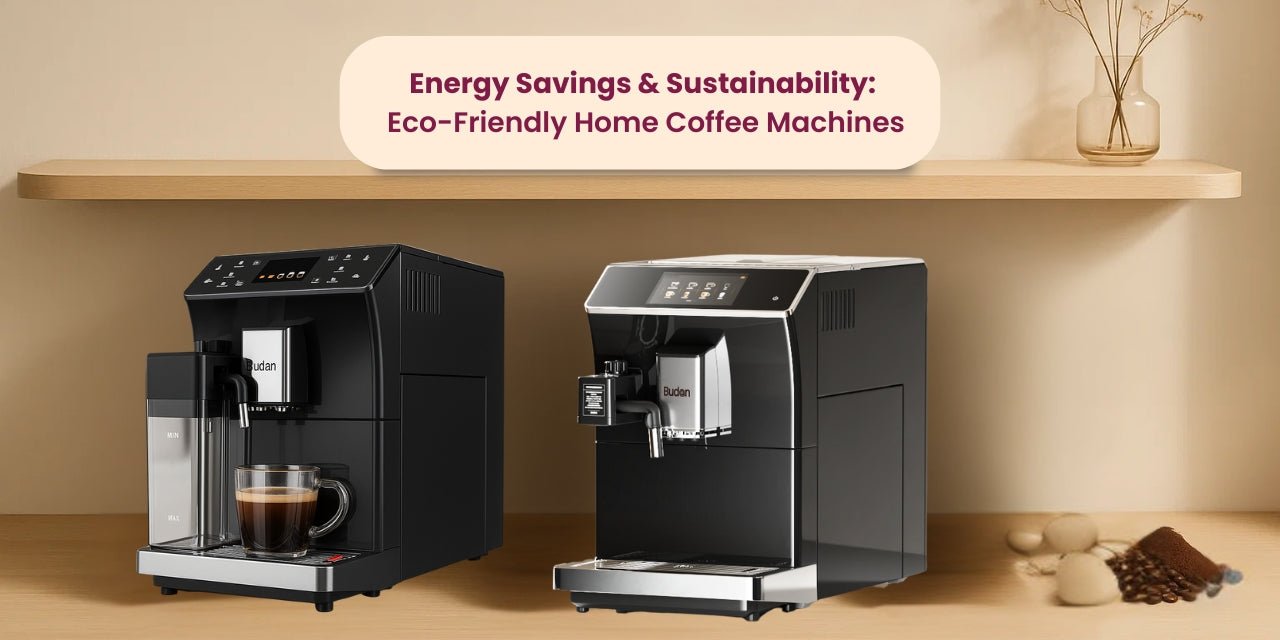
Bean to cup machines draw the most, because they grind, brew and often froth, and they hold temperature between drinks. They earn it back only if they are genuinely replacing several cafe trips a day rather than sitting unused between weekends.
Features that genuinely save energy
Thermoblock or on demand heating. Heats only the water for that cup rather than holding a full tank hot between drinks.
Adjustable standby. Covered above, and the reason to check the specification before buying rather than after.
Adjustable cup volume. Brewing 150ml when you drink 150ml, rather than brewing 250ml and pouring some away. Small per cup, meaningful across a year.
Insulated or thermal carafes. A drip machine with a glass carafe keeps coffee hot with a heating plate, which runs continuously and slowly cooks the coffee. A thermal carafe uses no power at all and the coffee tastes better an hour later.
One thing not to look for is an Energy Star rating. That programme does not cover coffee makers, so any listing claiming one for an espresso machine is either mistaken or marketing. India's BEE star rating scheme does not cover them either.
The parts of sustainability that are not electricity
Longevity does more for the footprint of a coffee machine than any efficiency feature. A machine that lasts twelve years instead of four is three machines that never got manufactured or landfilled, and the manufacturing footprint of an espresso machine dwarfs its lifetime running cost.
That makes maintenance an environmental decision as much as a performance one. Descaling on schedule and keeping the group clean is what determines whether a machine reaches twelve years, so a basic machine cleaning routine is worth building in from the first week rather than the first fault.
Serviceability matters just as much. A brand with spare parts available locally is a greener buy than one you have to replace when a gasket fails, and gaskets always fail eventually. Ask about spares before you buy, not after.
Reusable metal filters remove a daily disposable from the equation and last years. Used grounds are compostable, nitrogen rich, and break down quickly, which makes them the easiest waste reduction available to any home brewer. They also work as a mild abrasive for cleaning pans.
What it actually costs to run
Put a number on it and the decision gets easier. At around eight rupees a unit, a machine drawing 0.5 units a day costs roughly 120 rupees a month. The same machine left running warm all day can push past 300.
That gap is larger than the difference between most machines on the market, which is the point worth taking away. Two households can own identical machines and see a two or three times difference in running cost.
Set against a cafe habit, both numbers are small. A single takeaway coffee costs more than a week of home brewing electricity, so the environmental and financial case for brewing at home holds comfortably either way. The saving is worth making because it is nearly free to make, not because the bill is frightening.
Which coffee machine brands are most energy efficient
Efficiency is decided by machine design rather than by brand, so the honest answer is to compare the specification rather than the badge. Check three things on any model you are considering: whether it uses thermoblock or boiler heating, whether standby time is adjustable, and what the rated wattage is.
Across the range, thermoblock machines sit at the efficient end and dual boiler machines at the demanding end, with bean to cup models in between. Browse the home coffee machines range and compare the boiler type field on each listing rather than relying on marketing copy, because no manufacturer describes its own machine as inefficient.
A realistic setup for an eco conscious household
Buy a machine that matches your actual volume rather than your aspirational volume. An oversized machine used twice a day wastes energy on every cycle and takes longer to pay back its manufacturing footprint.
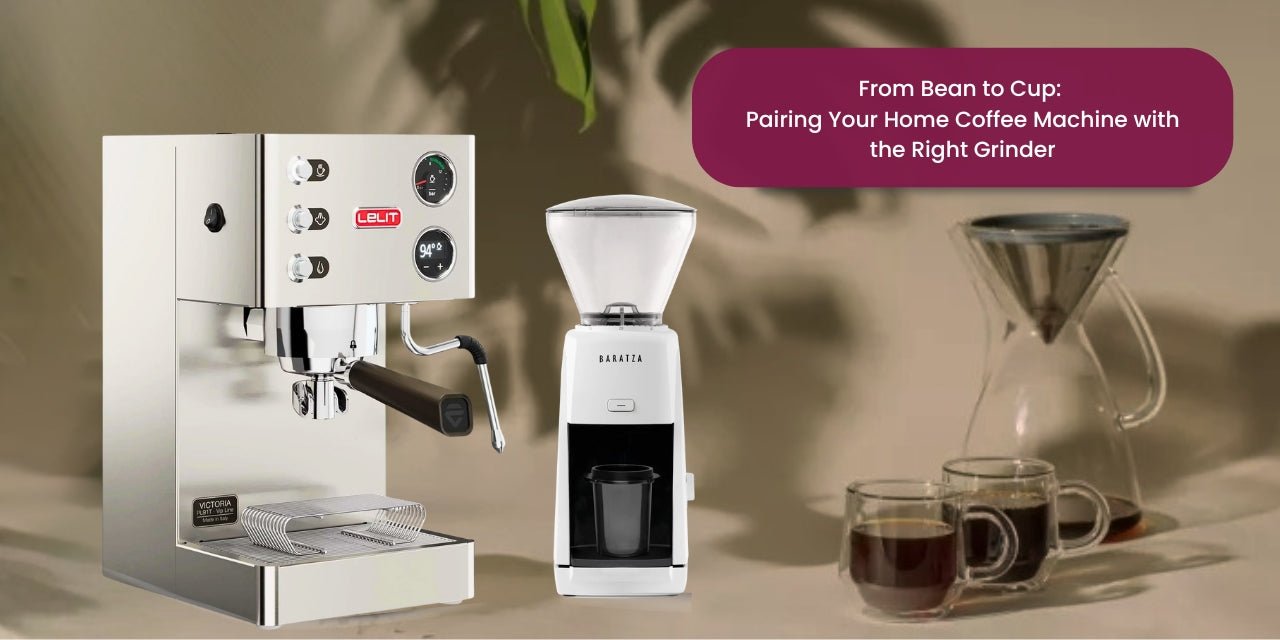
Pair it with a burr grinder and whole beans rather than pods. Grinding uses a trivial amount of power and removes the packaging entirely, which is the single largest waste reduction available on the coffee side.
Then buy beans in sizes you will finish, since stale coffee that gets thrown away is a wasted harvest as well as a wasted purchase. A 250g bag of freshly roasted beans drunk within a month does more good than a kilo that goes flat in the cupboard.