How to Build a Premium Home Coffee Bar for Your Daily Ritual
A home coffee bar is different from a coffee corner that simply gets you through the morning. It is a small, deliberate setup where the machine, grinder, cups and tools feel like they belong together, and where making coffee becomes part of the enjoyment rather than just another task before the day begins.
A premium setup does not need to be oversized or filled with expensive equipment. What matters is choosing the right pieces, arranging them around the way you actually brew and keeping the space easy to use every day.
This guide walks through a practical premium home barista setup: what to prioritise, how to organise the space and how to build a coffee station that feels intentional rather than accumulated over time.
If you are setting up a coffee station for the first time and want the basics rather than a premium build, the home cafe setup guide is a better starting point.
What Makes a Coffee Bar Feel Premium?
Premium does not mean choosing the most expensive machine on the counter. A well-designed home coffee bar feels premium because every piece has a clear purpose.
Good coffee bar ideas usually share three things:
- Purpose-built equipment chosen for the drinks you make most often
- Consistency tools such as a scale, grinder and tamper that reduce guesswork
- A layout that separates grinding, brewing and serving instead of crowding everything into one area
- When these three elements work together, the setup becomes easier to use and more enjoyable to look at.
The aim is not to create a showroom. It is to create a coffee bar that supports a repeatable daily ritual.
Step 1: Choose the Machine Your Setup Will Be Built Around
The machine usually becomes the centre of a home espresso setup, so it makes sense to choose it before planning the rest of the bar.
If you enjoy controlling grind, dose, tamping and extraction, a semi-automatic espresso machine gives you more involvement in the brewing process. It can suit people who enjoy learning technique and improving their espresso over time.
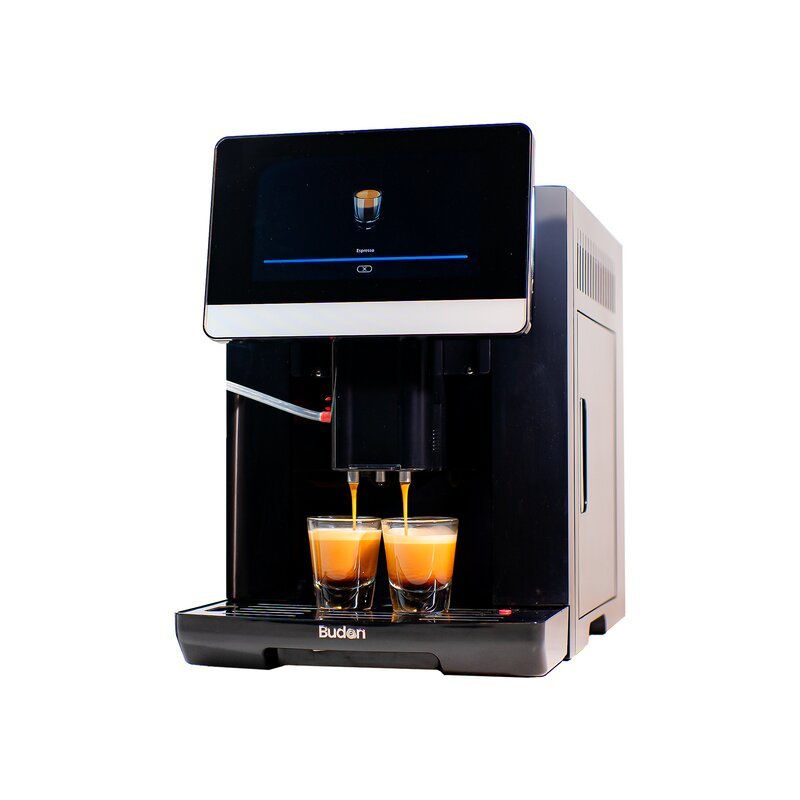
If you prefer a more convenient routine, a fully automatic machine can handle several steps such as grinding, dosing and, depending on the model, milk preparation.
The important thing is to choose based on the way you actually drink coffee.
Ask yourself:
- Do you mostly drink espresso?
- Are cappuccinos and lattes your everyday drinks?
- Do you enjoy adjusting brewing variables?
- Is convenience more important than hands-on control?
- How much counter space do you have?
You can compare different espresso machines before building the rest of the setup around your choice.
If you are unsure which type suits your space and routine, you can also book a demo before committing to a machine.
Step 2: Treat the Grinder as Essential, Not Optional
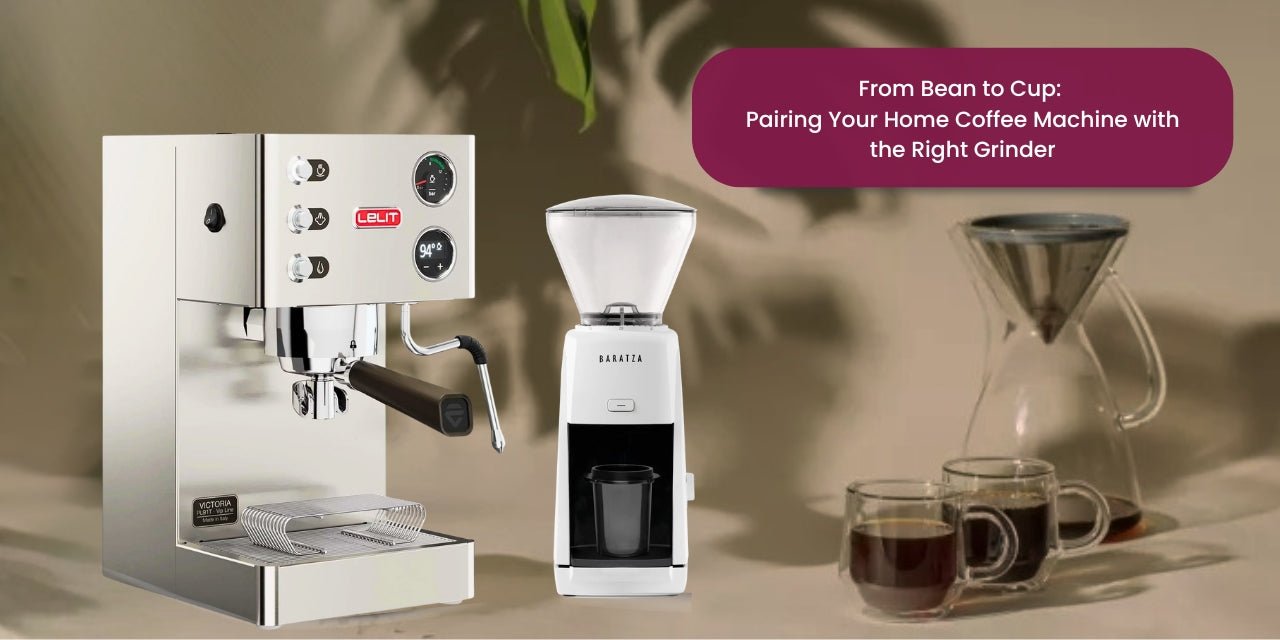
The grinder is one of the most important parts of a serious home barista setup.
Ground coffee loses aroma faster than whole beans because more surface area is exposed to air. Grinding shortly before brewing helps preserve more of the coffee's aroma and gives you better control over grind size.
Espresso is particularly sensitive to grind consistency. Small changes can affect how quickly water moves through the coffee and how the final cup tastes.
Electric grinders are useful when you brew frequently or prepare several cups a day. Manual grinders can be a good option if you value compact size, lower noise and a more hands-on routine.
The most important point is to match the grinder to the brewing method.
A suitable coffee grinder should be able to produce the grind range and consistency your preferred brewing style requires.
If espresso is your daily drink, this is not an area where you want to rely on a grinder that struggles with fine, consistent adjustments.
Step 3: Add the Tools That Make the Setup Feel Complete
Once the machine and grinder are sorted, the next step is adding the tools that improve consistency and make the workflow smoother.
You do not need everything on day one.
|
Tool |
Why it matters |
|
Precision scale |
Helps keep coffee dose and brew ratios consistent |
|
Tamper and leveller |
Supports more even espresso preparation |
|
Milk pitcher |
Useful for steaming and texturing milk |
|
Knock box |
Keeps used coffee pucks contained and the counter cleaner |
|
Gooseneck kettle |
Useful if you also brew pour-over coffee |
|
Spare portafilter or basket |
Helpful when experimenting with different doses or setups |
A premium coffee bar setup usually grows over time.
Start with the tools that solve real problems in your daily routine, then add more as you understand what you actually use.
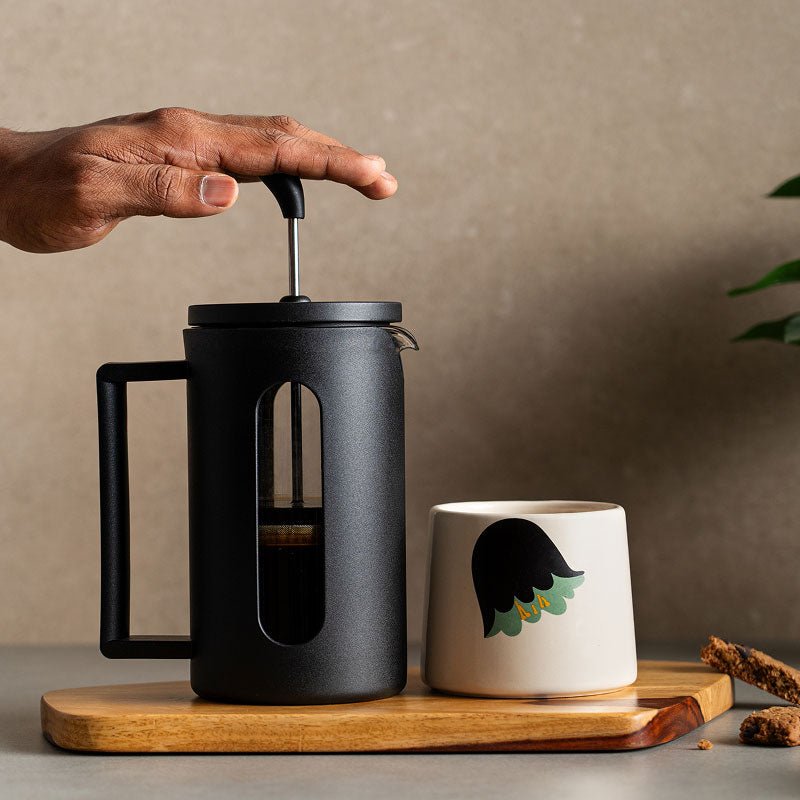
If you enjoy manual brewing alongside espresso, a pour-over brewer, French press or moka pot can give you more variety without taking over the entire counter.
Step 4: Design the Space Like It Belongs in Your Kitchen
A premium coffee bar looks intentional rather than assembled.
The easiest way to achieve that is to think about the space as a working area first and a decorative area second.
Create Separate Zones
Divide the counter into simple zones:
- Grinding
- Brewing
- Serving
Keeping these areas separate helps prevent clutter and makes the workflow easier to follow.
For example, keep the grinder close to the machine, leave a clear space for tamping or weighing, and keep cups slightly away from the area where coffee grounds collect.
Show What You Use
Keep everyday equipment visible.
Store backup filters, cleaning products, spare accessories and rarely used tools in drawers or closed storage.
This keeps the counter cleaner and gives the equipment you use most enough room.
Use Lighting Carefully
A small under-cabinet light or warm lamp can make a coffee station feel more inviting without adding clutter.
Lighting can also make early-morning preparation easier when the rest of the kitchen does not need to be fully lit.
Choose Drinkware You Enjoy Using
Cups are part of the daily experience.
Keeping a small selection of favourite mugs, espresso cups or glasses within easy reach can make the setup feel more personal without overcrowding it.
Leave Working Space
One of the biggest mistakes in coffee station ideas is filling every available surface.
Leave enough room for weighing beans, placing the portafilter, pouring milk and cleaning spills.
A smaller setup with clear working space often feels more premium than a crowded counter filled with expensive gear.
Step 5: Stock Beans Like a Collector, Not a Stockpiler
A premium coffee setup works best when the coffee itself gets as much attention as the equipment.
Instead of keeping several open bags for months, rotate through a smaller number of coffees.
You might keep:
- one dependable daily coffee
- one single origin for slower brewing
- one seasonal or experimental coffee
Store beans away from direct sunlight, moisture, excessive heat and strong smells.
Keep them in a properly sealed bag or airtight container and grind only what you need for the brew.
Exploring different coffee beans by roast, origin or flavour profile can make the coffee bar more interesting without adding more equipment.
Freshness and good storage often make a bigger difference to the cup than adding another accessory to the counter.
Step 6: Build Cleaning Into the Routine
A premium setup should also be easy to maintain.
Coffee oils, milk residue and mineral build-up can affect both flavour and equipment over time.
Keep basic cleaning tools close to the station so maintenance becomes part of the normal workflow instead of something you postpone.
After regular use:
- wipe the steam wand
- empty the drip tray
- clean visible coffee residue
- keep brewing surfaces clear
- wash milk pitchers thoroughly
For deeper cleaning, backflushing and descaling, follow the schedule recommended for your specific machine.
Frequency varies depending on the model, usage and local water hardness, so the manufacturer's guidance should take priority over a fixed universal schedule.
If the machine needs professional attention, use a qualified service option rather than attempting complex repairs yourself.
A Simple Way to Plan Your Build
If you are unsure where to begin, start with the drink you make most often.
|
If you mostly drink |
Start with |
|
Espresso, cappuccino, latte |
Semi-automatic or automatic machine, burr grinder, scale and milk pitcher |
|
Filter or black coffee |
Pour-over or French press, suitable grinder, scale and kettle |
|
A mix of both |
Espresso or automatic machine plus one manual brewer and a grinder suitable for both |
This keeps the setup focused on real use rather than trying to cover every possible brewing method from the start.
Leave Room for the Setup to Grow
Coffee preferences change.
You may eventually want to upgrade the grinder, move to a different machine, add a precision kettle or experiment with another brewing method.
Avoid designing the coffee bar so tightly around your current equipment that any future change requires rebuilding the entire space.
Leave some open counter area and easy access to power points where possible.
A flexible home coffee bar can grow with your skills without becoming cluttered.
Build It Around How You Actually Drink Coffee
The best home coffee bars are not necessarily the most expensive ones.
They are the ones built around a real, repeatable routine.
Start with the machine that matches your preferred drink, pair it with a grinder that can support it and add tools only when they make the brewing process easier or more consistent.
Organise the space so grinding, brewing, serving and cleaning happen naturally.
When every part of the coffee bar has a reason to be there, the setup feels more premium without needing to become complicated.
If you are not sure which machine suits your space and coffee preferences, book a demo and compare a few options before finalising your build.