Best Coffee Machines for Large Families and Heavy Use
A machine that copes with a family of six is not simply a bigger version of one that suits a couple. The constraint is recovery time, not capacity. Most home machines can produce a lot of coffee across a day. Very few can produce six drinks in fifteen minutes without someone standing at the counter waiting.
That is the problem to solve if mornings in your house involve a queue.
Why heavy use breaks ordinary machines
Three things slow a machine down when demand comes in bursts.
The first is thermal recovery. After pulling a shot, the boiler drops below brewing temperature and needs time to climb back. On a single boiler machine that is 30 to 60 seconds, which is invisible for one drink and painful for five.
The second is switching between brewing and steaming. A single boiler has to change temperature between the two, then change back. Making four cappuccinos in a row means four temperature swings, and that is where the real waiting happens.
The third is refilling. A 1.2 litre tank holds roughly five to six drinks. In a household making twelve a day, someone refills it twice, and in practice that someone is always the same person.
None of these show up in a spec comparison. All three decide whether the machine actually works for you.
Sizing the machine to the household
Work backwards from your busiest fifteen minutes rather than your daily total.
|
Household |
Drinks per day |
Peak demand |
What to look for |
|
2 to 3 people |
3 to 6 |
2 at once |
Single boiler or thermoblock, 1.2L tank |
|
4 to 5 people |
6 to 10 |
3 to 4 at once |
Larger tank, fast recovery, bean hopper |
|
6 or more |
10 to 15 |
5 or more |
Dual boiler or bean to cup, 1.8L plus |
|
Extended family, guests often |
15 plus |
Sustained |
Commercial grade or two machines |
The jump that matters is between four and five simultaneous drinks. Below that, a good single boiler copes. Above it, you are either buying a dual boiler or accepting that someone waits.
Which type of machine suits heavy use
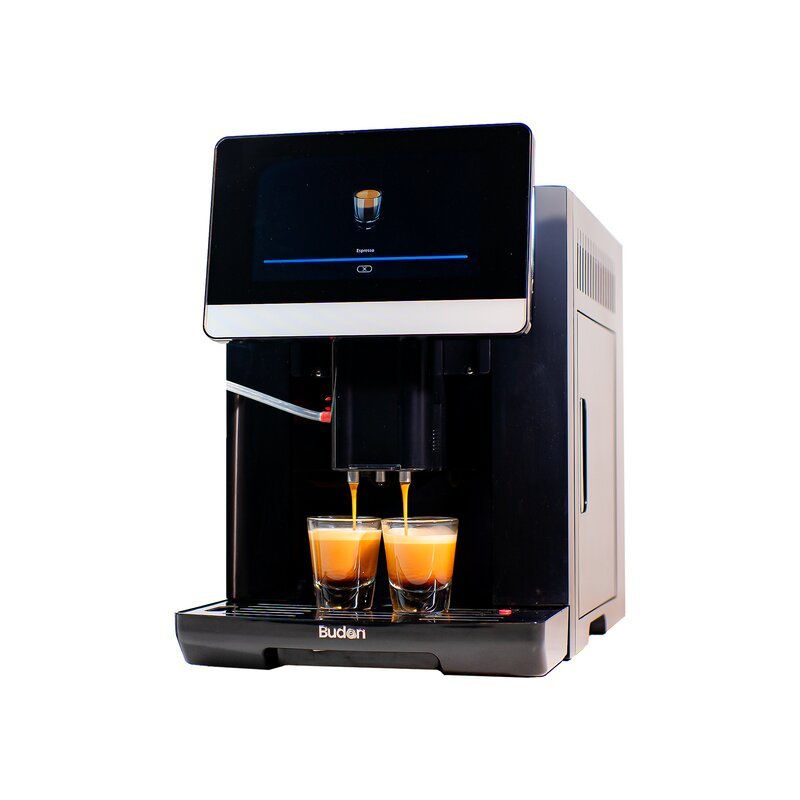
Bean to cup is the obvious answer for most large families. It grinds, brews and froths at a button press, anyone in the house can operate it without training, and it holds temperature between drinks rather than cycling from cold. The bean to cup range is built around exactly this use case.
The trade off is that everyone gets the same shot. You cannot dial in for one person's preference and not another's.
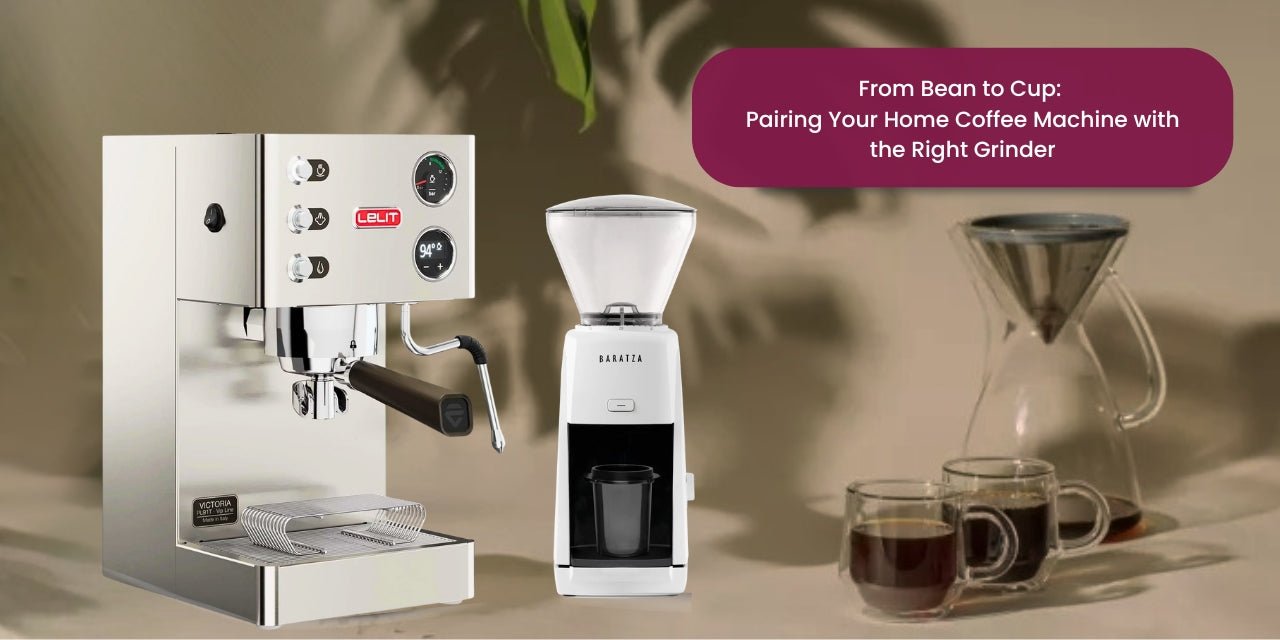
Dual boiler semi automatic suits a household where one person enjoys making the coffee. Separate boilers for brewing and steaming mean no waiting between the two, so you can pull a shot while texturing milk for the previous drink. It produces better coffee than bean to cup in capable hands and worse coffee in careless ones.
Fully automatic machines sit between the two. The fully automatic range covers models with larger tanks and hoppers designed for volume, and they need the least instruction of any option.
Drip and filter deserve more consideration than they usually get. If your family drinks black coffee rather than milk drinks, a 10 or 12 cup drip machine produces the whole household's coffee in one cycle, costs a fraction of an espresso setup, and nobody waits at all.
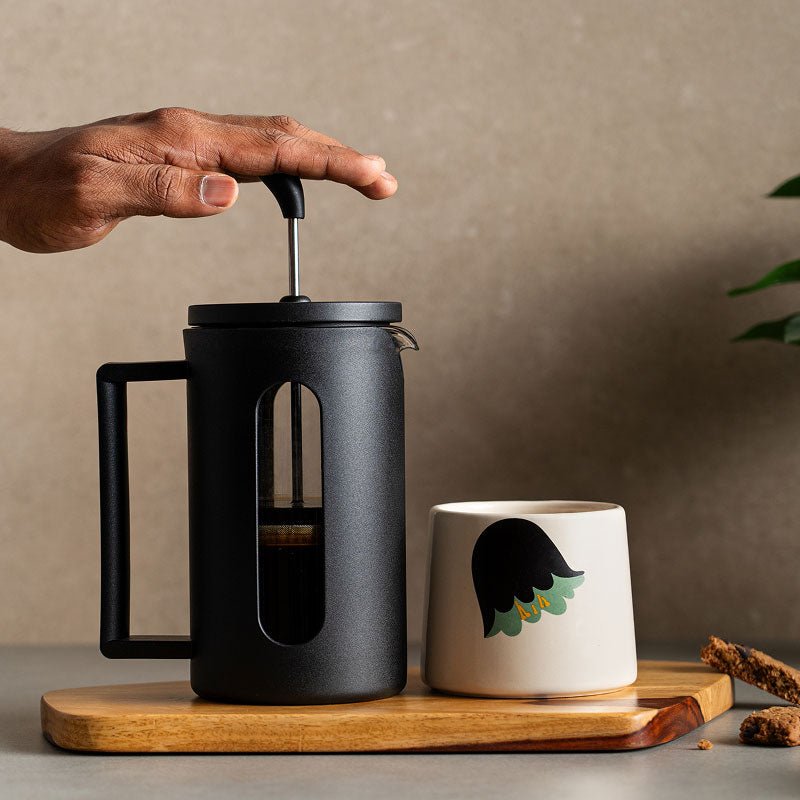
A large French press is the cheapest solution to the same problem. A one litre French press serves four to five mugs in four minutes with no electricity and nothing to break. It will not make cappuccinos, but for a family of black coffee drinkers it is genuinely hard to beat.
Features that matter under real volume
Tank capacity. 1.8 litres or more if you are serving five plus people. Removable tanks refill faster than fixed ones, and a tank you can reach without moving the machine gets refilled more often.
Bean hopper size. On a bean to cup machine, a 250g hopper holds roughly 15 to 18 drinks. Smaller than that and someone is topping it up mid morning.
Waste drawer capacity. Overlooked until it overflows. A drawer sized for 8 pucks in a house making 15 drinks means emptying it daily, and if nobody does, the machine stops.
Two cup brewing. A dual spout portafilter or a twin outlet halves your throughput time for milk drinks. On a busy morning that is the single most useful feature on the machine.
Programmable start. Set it the night before and the machine is at temperature before the first person reaches the kitchen. That removes the warm up from the peak window entirely.
Cup clearance. Check the height under the spout. A machine that cannot fit a travel mug forces an extra pour, and in a household with commuters that gets old fast.
Durability is the real cost question
A machine used fifteen times a day is doing what a commercial machine does at a small cafe, on components built for three or four cycles. That changes what you should be buying.
Look for metal internals rather than plastic where you can. Brass or stainless boilers outlast aluminium. A metal group head holds heat better and takes the repeated thermal cycling that heavy use puts it through.
Serviceability matters more than warranty length. Gaskets, seals, shower screens and pumps all wear out, and on a heavily used machine they wear out sooner. A machine you can get parts for locally will run for a decade. One you cannot becomes disposable the first time something fails.
Descaling stops being optional at this volume. A machine pushing 15 drinks a day through hard water builds scale several times faster than one making three, and scale in the boiler is what ends most home machines. Every four to six weeks is realistic for a heavy use household, and a cleaning routine built into the week costs less than one repair.
The grinder question at volume
If you are buying bean to cup, the grinder is built in and the decision is made. If you are buying semi automatic, budget properly for a separate one.
Heavy use punishes cheap grinders faster than it punishes machines. Burrs dull, motors overheat on back to back doses, and a grinder rated for a few shots a day will struggle with fifteen. Look for a grinder in the electric range with a metal body and a motor that can run repeatedly without a cool down.
When a home machine is the wrong answer
If you are consistently making more than 20 drinks a day, or hosting regularly, you are past what home equipment is designed for. The office coffee machine range covers units built for continuous duty, with larger boilers, bigger tanks and components rated for far more cycles.
They cost more upfront and considerably less over five years, because they are not being replaced.
Choosing, in one line each
Buy bean to cup if several people make their own drinks and nobody wants to learn technique.
Buy a dual boiler if one person enjoys making coffee for everyone and cares how it tastes.
Buy a drip machine if the household drinks black coffee and volume matters more than crema.
Buy a large French press if you want the problem solved for under two thousand rupees.
Whichever route you take, size the tank and the hopper to the busiest fifteen minutes of your day. Everything else can be worked around. Waiting cannot.