An automatic coffee machine for home use handles grinding, brewing, and often milk frothing with one touch, delivering café quality coffee without manual technique. Choosing the right one comes down to matching a few key factors, fully automatic versus semi automatic, brewing capacity, milk frothing needs, and maintenance, to how you actually drink coffee day to day.
Fully Automatic vs Semi Automatic Coffee Machines
|
Factor |
Fully Automatic |
Semi Automatic |
|
Control |
One touch, minimal input |
Manual grind, dose, and tamp |
|
Learning curve |
Low, beginner friendly |
Higher, rewards technique |
|
Milk frothing |
Automatic frother, consistent foam |
Manual steam wand, more control |
|
Best for |
Convenience and speed |
Hands on coffee enthusiasts |
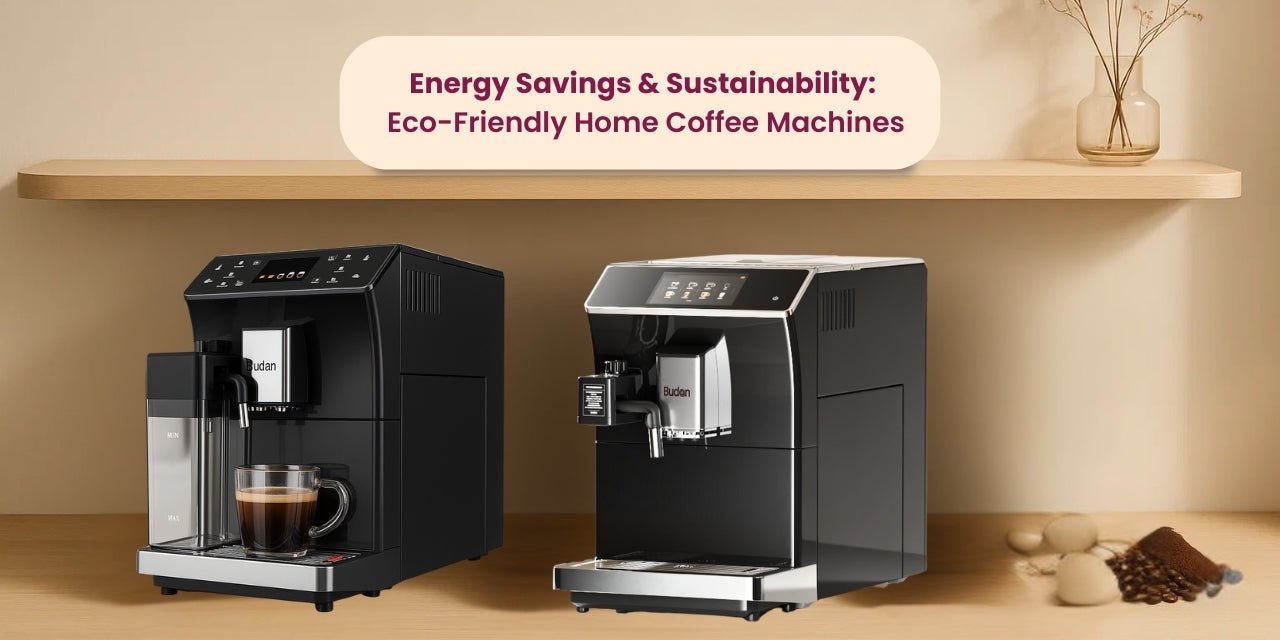
The Budan Espresso Machine with Built in Grinder leans fully automatic at Rs. 44,999, combining grinding and one touch brewing in a single unit, while the Budan Classic at Rs. 8,399 keeps things semi automatic and hands on for anyone who enjoys the process itself.
Brewing Capacity and Household Size
How much coffee you need daily should shape the machine more than any single feature. A single serve setup suits one or two people, while a household or small office pantry brewing multiple cups back to back needs a machine built for volume. The Budan Brew 500 at Rs. 52,999 is a fully automatic all rounder built for exactly this kind of daily household use, with adjustable brew sizes rather than a fixed single serve output.
Space, Design, and Kitchen Fit
Counter space is easy to overlook until the machine arrives. Compact fully automatic machines fit small kitchens without dominating the counter, while larger bean to cup machines with bigger hoppers and water tanks need more room to sit comfortably. Checking dimensions against your actual counter space before buying avoids the common mistake of a machine that works well but never quite fits where you wanted it.
Built In Grinders and Coffee Freshness
A built in grinder is one of the more meaningful upgrades in this category, since grinding fresh beans immediately before brewing produces noticeably better flavour than pre ground coffee sitting in a hopper or bag. Machines with integrated grinders also save counter space compared to running a separate grinder alongside a machine that only accepts pre ground coffee, and some machines skip whole beans entirely in favour of pod based convenience, which trades some flavour range for speed and simplicity.
Milk Frothing and Drink Variety
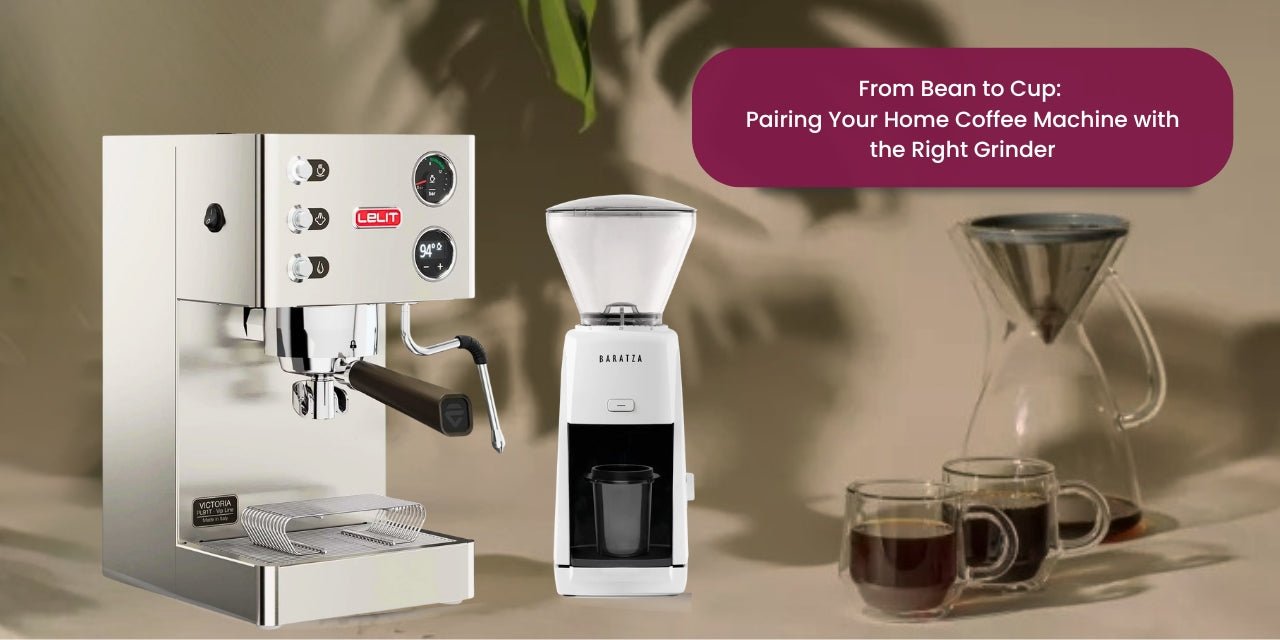
If lattes and cappuccinos are part of your routine, how the machine handles milk matters as much as how it handles espresso. Fully automatic machines often include an automatic frother that produces consistent foam with no technique required, while a manual steam wand gives more control over texture for anyone interested in proper microfoam and latte art. The DeLonghi La Specialista at Rs. 65,999 pairs semi automatic control with a manual steam wand for exactly this kind of hands on milk texturing.
Maintenance and Long Term Upkeep
Automatic machines generally need less manual cleaning than manual brewers, but they are not maintenance free. Many fully automatic models include self cleaning or descaling cycles that handle most routine upkeep automatically, while machines with a group head still benefit from occasional backflushing every few weeks. Machines with removable parts, water tanks, drip trays, and bean hoppers, are noticeably easier to keep clean over the long run than sealed designs.
Energy Use and Build Quality
Auto shutoff, low standby power draw, and rapid heating all affect running cost over the life of the machine, not just the upfront price. On build quality, stainless steel components generally hold up better to years of daily use than machines built mostly from high quality plastic, and checking user reviews alongside warranty terms is a reasonable way to gauge how well a specific model actually holds up once it leaves the showroom.