Most coffee maker comparisons ask the wrong question. They compare features, prices, and brew times as if there is a single right answer for every coffee enthusiast. But the best coffee maker is not the one with the highest rating. It is the one that fits your taste, lifestyle, and budget. Once you know what kind of coffee drinker you are, the choice becomes obvious.
The Question That Actually Matters
Before comparing any brewers, ask yourself one thing: what does coffee mean to you in the morning?
For some people, coffee is the ritual. The grind, the pour, the wait. It is the most deliberate and calming part of the day. For others, coffee is purely functional. It needs to exist in the cup by the time they finish getting ready. Most people land somewhere between these two extremes, and where you land determines which brewer belongs in your kitchen.
If You Drink Multiple Cups of Black Coffee Daily
This is where the drip brew coffee machine earns its reputation. No other brewer makes it as easy to produce smooth, consistent black coffee in volume. You load the filter basket, add ground coffee, press a button, and walk away. The machine handles the precision extraction and water flow automatically, delivering the same clean flavour profile every single time without any further input.
The Budan Drip Coffee Maker is one of the best options for home use, with a large capacity for up to 10 cups, a programmable timer, and a hot plate function that keeps the carafe warm after brewing. For busy professionals, families sharing one machine, or anyone who drinks several cups before noon, no other brewer delivers this combination of convenience, clarity, and consistency.
If the Ritual of Brewing Is Part of the Pleasure
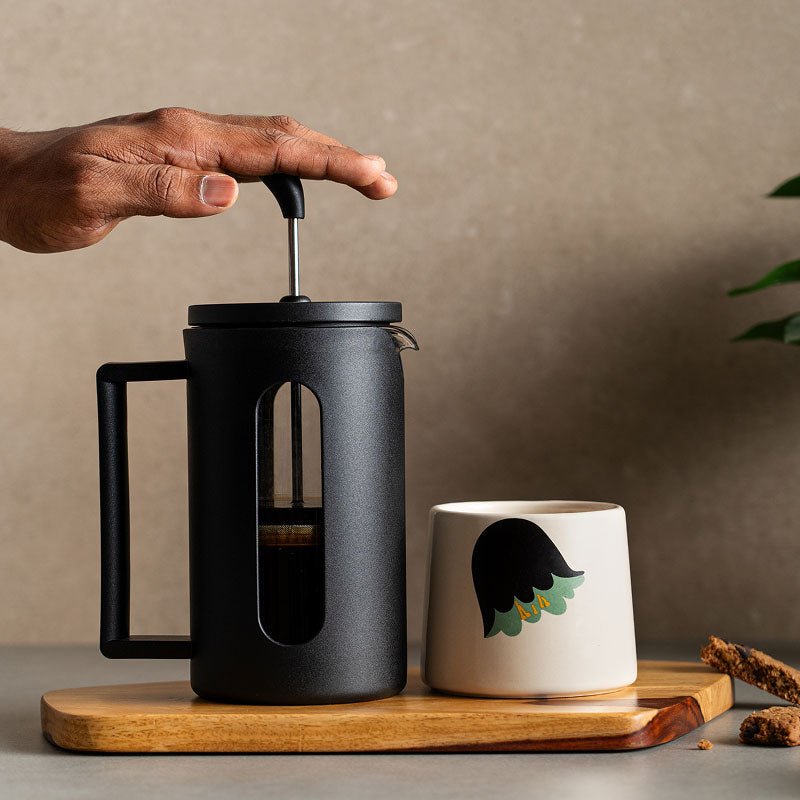
A drip machine will disappoint you here. If you enjoy slow coffee rituals and want complete control over brewing variables, a pour over or a French Press gives you something a drip machine deliberately removes: hands-on involvement.
The French Press lets coffee steep fully in hot water, retaining the natural oils that a paper filter absorbs. The result is a full bodied brew with more texture and depth. Pour over gives you precise control over every extraction variable and produces a clarity of flavour that automated brewing cannot match when done well. Neither is more convenient than a drip machine. Both are more rewarding if the process itself is something you value.
If Your Daily Coffee Involves Steamed Milk
A drip coffee machine brews filter strength coffee. It does not produce espresso and is not suitable as a base for lattes and cappuccinos. For milk based drinks, an espresso machine is the right tool because it generates the 9 bars of pressure needed to produce a concentrated shot that balances properly against steamed milk.
A drip machine can brew strong coffee by increasing the dose relative to water, but the result lacks the concentrated extraction and crema that espresso creates. If your daily drink involves steamed milk, a semi-automatic espresso machine is worth the investment even though it requires tamping, frothing, dialling in, and more hands-on maintenance.
If You Want Speed Above Everything Else
Pod and capsule machines are faster than drip. There is no grinding, no measuring, and no filter to load. You press a button and the drink is ready in under a minute. The trade-offs are significant: you are locked into proprietary capsule systems, the coffee inside pods was pre ground and sealed months before use, and the cup lacks the freshness of anything brewed from recently roasted, freshly ground beans. A drip machine is more eco-friendly than pod machines because it uses fresh ground coffee with no plastic waste per cup.
For most coffee enthusiasts, the marginal speed difference between a pod machine and a drip machine is not worth the compromise in taste. Fresher coffee, fuller flavour, and zero capsule waste make the drip machine the stronger long-term choice for everyday home use.
What the Drip Coffee Machine Does Better Than Everything Else
Consistency is the drip machine's defining strength. A French Press requires you to judge steep time and plunge pressure. Pour over requires a controlled pour technique. Espresso requires continuous adjustment of grind size, dose, and extraction time. A pod machine produces consistent results but from coffee that is already stale before it reaches you.
A drip brew coffee machine produces the same clean, smooth cup from the same beans every single morning with zero variation from human technique. Batch brewing is its second major advantage. A full carafe serves four to six cups from a single brew cycle, making it the only practical choice for families, shared kitchens, or anyone who wants black coffee available throughout the morning without brewing multiple times.
Getting the Most From Your Drip Coffee Machine
Use a medium grind, approximately the texture of sea salt, to allow water to flow through the coffee bed at the right pace for balanced extraction. Start with a 1 to 15 coffee to water ratio: 20 grams of coffee for 300ml of water is a reliable starting point. Adjust to taste from there.
Always use filtered water. Tap water with chlorine or high mineral content alters the flavour of the extraction and accelerates limescale buildup inside the heating element. Clean the carafe and filter basket after every use and descale the machine monthly to maintain precision extraction and keep every cup tasting fresh. Pair any drip machine with freshly roasted beans ground immediately before brewing for the most noticeable improvement in your daily cup.
The Honest Answer to Which One Is Right for You
Every brewer in this comparison produces genuinely good coffee in the right hands. The drip machine is the best choice for everyday black coffee lovers who want smooth, consistent results without manual effort, and value the ability to brew a large batch in one cycle. It is not the right choice if you primarily drink lattes and cappuccinos, enjoy slow coffee rituals, or want the deepest possible flavour complexity from specialty beans.
The best coffee maker is the one that fits your actual daily routine, your taste, and your lifestyle. Know that first, and the decision becomes straightforward.