Different Kinds of Coffee Every Beginner Should Know
Coffee can mean very different things depending on how it is prepared. For one person, it might be a quick cup of instant coffee before work. For another, it could mean South Indian filter coffee, a chilled ready-to-drink beverage or freshly brewed coffee made at home.
Understanding these different kinds of coffee is a useful starting point if you are new to coffee and still discovering what you enjoy.
This beginner’s guide explores five common ways coffee is prepared and consumed, what makes each one different and how to decide which style suits you.
1. Instant Coffee
Instant coffee is one of the simplest ways to prepare coffee at home. It is made from brewed coffee that has been processed into a soluble form, allowing it to dissolve when mixed with water.
Preparation generally requires little more than instant coffee, hot water and optional milk or sugar.
Why Do People Choose Instant Coffee?
Convenience is the main advantage. Instant coffee requires no brewer, grinder or specialised preparation technique.
This makes it an accessible option for people who want a quick cup without controlling variables such as grind size, brewing time or extraction.
2. South Indian Filter Coffee
South Indian filter coffee follows a more traditional preparation method.
Ground coffee is placed inside a metal coffee filter, where hot water passes through it to produce a concentrated decoction. This decoction is commonly combined with hot milk and sugar according to individual preference.
Coffee and chicory blends are also commonly associated with this brewing style, although the exact blend can vary.
What Makes South Indian Filter Coffee Distinct?
Unlike instant coffee, the ground coffee is brewed to create a decoction before the final drink is prepared.
The traditional filter, concentrated decoction and milk-based serving style give South Indian filter coffee its distinctive preparation method and character.
3. Ready-to-Drink Coffee
Ready-to-drink coffee, often called RTD coffee, is prepared and packaged before purchase.
The category can include bottled or canned cold coffee, cold brew, chilled latte and other packaged coffee beverages.
When Is Ready-to-Drink Coffee Useful?
RTD coffee prioritises portability and convenience because no brewing is required.
It can be useful when travelling, commuting or whenever preparing coffee is impractical. The trade-off is that the recipe has already been determined, so coffee strength, sweetness, milk and added flavours depend on the individual product.
4. Blended Coffee Beverages
Blended coffee beverages combine coffee with ingredients such as milk, ice, syrups or flavourings to create a different drinking experience.
Frappes and similar iced blended coffees are common examples.
What Makes Blended Coffee Different?
Coffee becomes one component of a larger recipe rather than necessarily being the dominant flavour.
These beverages can appeal to people who enjoy cold, creamy or sweeter drinks and want coffee combined with other flavours and textures.
If you prepare these drinks yourself, items from the coffee accessories range can support tasks such as measuring, serving and milk preparation.
5. Freshly Brewed Coffee
Freshly brewed coffee is prepared by extracting flavour from ground coffee shortly before it is consumed.
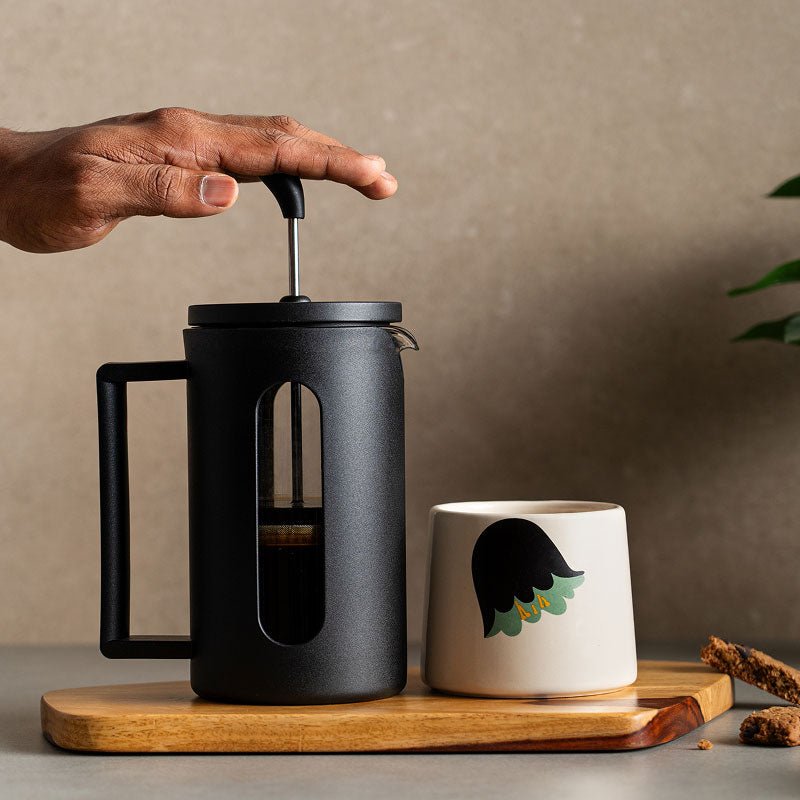
It is a broad category because there are many ways to brew fresh coffee. French press, pour-over, AeroPress, Moka Pot and espresso are examples of brewing methods that can produce noticeably different cups.
Why Explore Freshly Brewed Coffee?
Fresh brewing provides more opportunities to control how your coffee is prepared.
Depending on the method, you can experiment with variables such as coffee-to-water ratio, grind size, water temperature and brewing time.
If you are beginning to explore home brewing, comparing different coffee makers can help you understand which brewing method suits the amount of involvement you want.
As you learn what flavours you prefer, you can also explore different coffee beans and roast profiles rather than limiting yourself to one coffee.
How Are These Different Kinds of Coffee Different?
The main differences come down to preparation, convenience and the amount of control you have over the final drink.
|
Type of Coffee |
Preparation |
Level of Control |
Best Suited To |
|
Instant Coffee |
Dissolved in water |
Low |
Quick everyday preparation |
|
South Indian Filter Coffee |
Brewed as a decoction |
Moderate |
Traditional milk coffee |
|
Ready-to-Drink Coffee |
Pre-prepared and packaged |
Low |
Convenience and portability |
|
Blended Coffee Beverages |
Coffee blended with other ingredients |
Moderate |
Cold, creamy or flavoured drinks |
|
Freshly Brewed Coffee |
Ground coffee brewed before drinking |
High |
Exploring brewing and coffee flavour |
There is no need to treat these as stages that every coffee drinker must progress through. They simply offer different ways to enjoy coffee depending on your routine and preferences.
Which Kind of Coffee Should You Start With?
Instead of looking for one type that is universally best for beginners, start with the experience you want.
Choose instant coffee when speed and minimal preparation matter most. South Indian filter coffee makes sense if you enjoy a traditional milk-based cup and its brewing ritual. Ready-to-drink coffee works when portability is the priority, while blended beverages suit people who prefer colder, sweeter coffee drinks.
Choose freshly brewed coffee when you want to become more involved in preparation and explore how brewing affects flavour.
If that last option interests you, browsing different coffee brewers can help you compare manual brewing formats without immediately committing to a complex coffee setup.