Updated: [06-11-26]
The main difference between coffee and cappuccino is that coffee is a broad category of brewed drinks, while cappuccino is a specific espresso-and-milk beverage. Regular coffee can be brewed using methods such as drip, French press or pour over, and milk is optional. A cappuccino is made with espresso, steamed milk and milk foam, so it is creamier and has a softer, airier texture. Both start with coffee beans, but how they are prepared and served sets them apart.
Coffee vs Cappuccino at a Glance
|
Feature |
Coffee |
Cappuccino |
|
Base |
Brewed coffee |
Espresso |
|
Milk |
Optional |
Essential |
|
Milk foam |
Usually absent |
Essential |
|
Texture |
Mostly liquid |
Creamy and foamy |
|
Brewing method |
Varies by coffee style |
Espresso extraction |
|
Equipment |
Depends on brewing method |
Espresso setup with milk steaming |
|
Typical flavour |
Depends strongly on beans and brewing method |
Espresso intensity balanced by milk |
What Is Coffee?
Coffee is a beverage prepared by extracting flavour from roasted and ground coffee beans using water. However, there is no single way to make “regular coffee.”
Different brewing methods produce different results. French press coffee has more body, pour-over coffee typically emphasises clarity, and drip machines offer a convenient way to prepare larger quantities.
Because milk is optional, brewed coffee can be consumed black or customised with milk, cream or sugar.
If you enjoy experimenting with different preparation styles, coffee makers include options for several brewing methods.
What Is Cappuccino Coffee?
A cappuccino is an espresso-based coffee drink traditionally prepared with espresso, steamed milk and milk foam.
The espresso provides the concentrated coffee base, while steamed milk softens its intensity and contributes sweetness and body. The foam creates the characteristic airy texture associated with cappuccino.
Unlike ordinary brewed coffee, preparing a traditional cappuccino requires espresso extraction followed by milk steaming or frothing.
Cappuccino vs Coffee: The Key Differences
1. Brewing Method
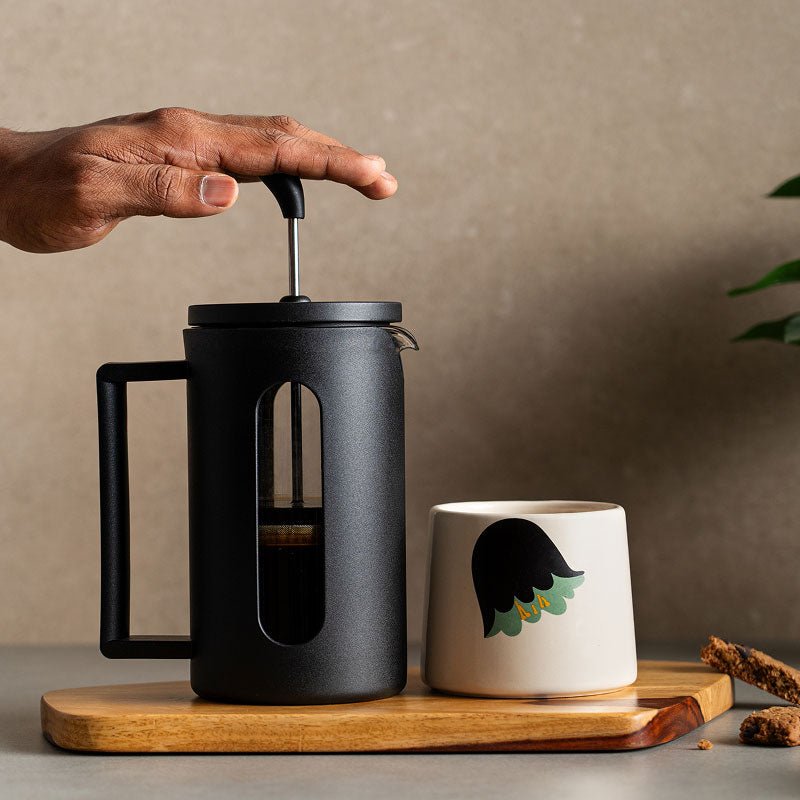
Regular coffee can be prepared in several ways, including French press, drip brewing and pour over.
Cappuccino starts with espresso. Hot water is pushed through finely ground coffee to produce a concentrated shot before steamed and textured milk is added.
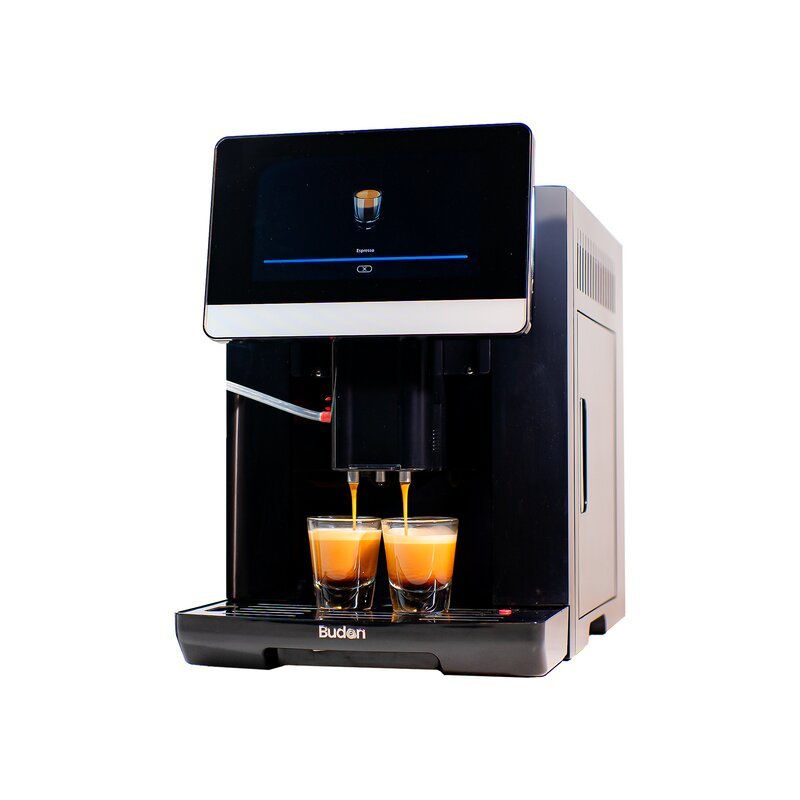
For home preparation, espresso machines provide the espresso base required for drinks such as cappuccino.
2. Milk and Foam
Milk is optional in regular coffee. You can drink it black or add milk according to preference.
Milk is fundamental to cappuccino. Steamed milk changes the body and flavour of the espresso, while textured foam creates its characteristic mouthfeel.
3. Grind Size
There is no universal grind size for regular coffee because it depends on the brewing method. French press generally requires a coarser grind than pour over, while espresso requires a considerably finer grind.
Since cappuccino begins with espresso, the coffee must be ground appropriately for espresso extraction.
Using the right coffee grinder helps you adjust grind size according to the brewing method rather than relying on one grind setting for every coffee.
4. Taste
Regular coffee can taste dramatically different depending on the beans, roast and brewing method. It may be fruity and bright, chocolatey and sweet, or deep and roasty.
A cappuccino combines concentrated espresso with milk. The milk generally softens the intensity of the espresso and gives the drink a sweeter, creamier character.
5. Texture
Most traditionally brewed black coffee has a relatively uniform liquid texture, although body varies by preparation method.
Cappuccino has a noticeably different mouthfeel because it combines liquid espresso, steamed milk and aerated milk foam.
6. Preparation
Making brewed coffee can be as simple as combining ground coffee and water in the appropriate brewer.
A cappuccino involves additional steps: preparing espresso, steaming the milk and creating the required milk texture before combining the components.
Coffee drinkers who frequently prepare milk-based drinks can also consider a coffee machine with frother for an espresso-and-milk setup.
Black Coffee vs Cappuccino
Black coffee contains brewed coffee and water without added milk. As a result, its flavour is determined largely by the coffee beans, roast profile, grind and extraction method.
A cappuccino contains espresso plus steamed and textured milk. It therefore tastes creamier and has a fuller, softer mouthfeel than black coffee.
The two drinks also differ in preparation: black coffee can be produced using numerous brewing methods, while cappuccino specifically requires an espresso base.
Can You Make Cappuccino Without an Espresso Machine?
A traditional cappuccino is built around espresso, but at home you can approximate the drink using strongly brewed coffee and separately frothed milk.
The result may still be enjoyable, but it will not reproduce the concentration, crema and extraction characteristics of espresso.
If milk texture is the main limitation in your existing setup, a milk frother can help prepare frothed milk separately.
Which Is Better: Coffee or Cappuccino?
Neither is universally better because they provide different drinking experiences.
Choose regular brewed coffee when you want the brewing method and coffee itself to play the leading role. It also gives you considerably more flexibility because you can prepare it using many different brewing techniques.
Choose cappuccino when you prefer the intensity of espresso balanced by steamed milk and a foamy texture.
Your preference may also change depending on the occasion. Someone who drinks black pour-over coffee in the morning may still prefer a cappuccino later in the day.