Is a Rs. 23,000 Espresso Machine Really Worth the Splurge?
There is something undeniably luxurious about pulling a rich, crema topped espresso shot in your own kitchen. With India's growing community of home brewers, espresso machines that were once reserved for cafes are now entering more homes. But here is the question that stops most beginners:
Is spending Rs. 23,000 on an espresso machine truly worth it? Below we unpack what you actually get for that price, from brewing capability to build quality, and whether it is a smart investment for your daily cup.
Understanding What You Are Paying For
Let us break down what goes into the cost of a mid range espresso maker priced around Rs. 23,000.
Pressure: what the bar rating actually means
This is the heart of the machine, and also the spec most often misread. Espresso extracts properly at around 9 bar where the water meets the coffee. The 15 or 19 bar figure printed on the box is the pump's maximum rating, not what reaches the puck, and the machine regulates it down.
A higher number is not a better machine. What matters is whether the pump holds steady pressure through the whole shot. Budget machines under Rs. 10,000 often cannot, which is why their coffee comes out sour and thin no matter what beans go in. A mid range machine holds it, and that consistency is most of what you are paying for.
Temperature control and heating
Great espresso depends on stable water temperature, around 90 to 96 degrees Celsius. In this price segment, machines usually include a thermoblock or thermocoil system, which heats water rapidly and keeps it within a workable range. Some models allow minor temperature adjustments for more control.
Build quality: stainless steel against plastic
At this price you are likely to find metal body panels, better boiler materials such as aluminium or brass, and higher grade seals and gaskets. That means longer life, fewer breakdowns, and more consistent performance over time.
What to Expect at Rs. 23,000
|
Feature |
Budget machines under Rs. 10K |
Mid range machines around Rs. 23K |
|
Pressure |
Weak and unstable |
Stable and regulated to 9 bar |
|
Steam wand |
Often missing or toy like |
Functional, textures milk |
|
Portafilter |
Pressurised only |
Option for non pressurised |
|
Boiler |
Basic or plastic |
Thermoblock, aluminium or brass |
|
Cup quality |
Bitter, drip like |
Espresso with crema |
|
Longevity |
6 months to 1 year |
3 to 5 years with care |
Who Is It For?
Spending around Rs. 23,000 on a semi automatic espresso machine makes sense if you are:
- A home brewer upgrading from instant or pod machines
- A latte or cappuccino drinker who wants real milk texture
- An espresso drinker chasing crema and body
- A daily cafe goer spending Rs. 200 a day on coffee
Let us do the maths
Rs. 200 per cup across 25 days a month is Rs. 5,000 a month. In just under five months, the machine has paid for itself. After that you are ahead, with more control and no coffee runs in pyjamas.
Performance: What a Rs. 23,000 Machine Can Do
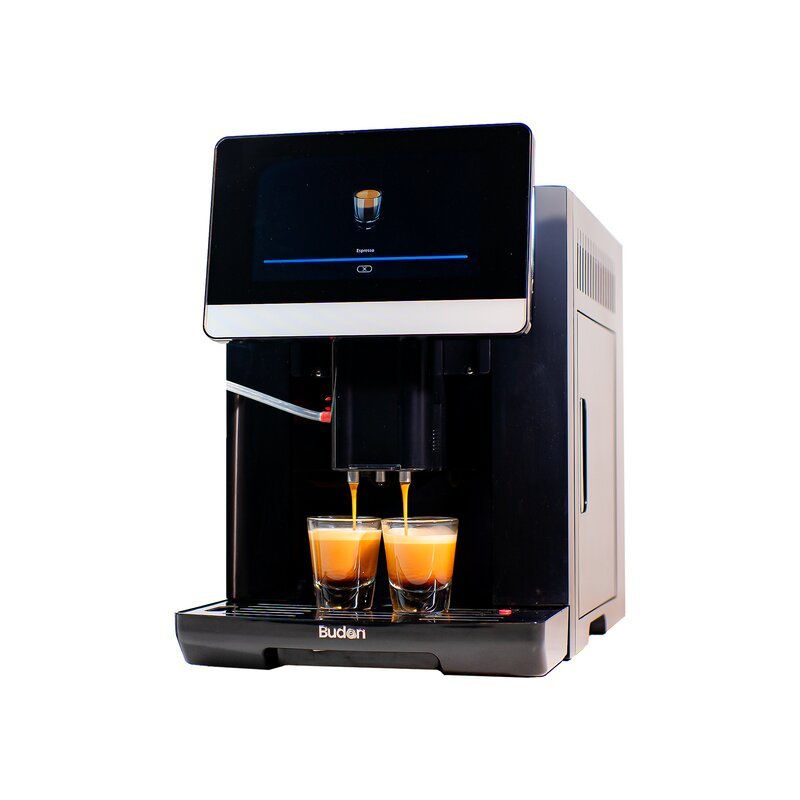
Take the Budan Espresso Machine, available at Something's Brewing from Rs. 22,199. It offers a 15 bar pump, a dual outlet portafilter so you can brew two espressos at once, a steam wand for flat whites and lattes, a compact stainless steel housing and a removable water tank.
Owners consistently report a clear step up in shot quality over sub Rs. 10,000 machines: richer crema, fuller body and better flavour clarity.
Return on Taste: Is It Actually Better?
Yes, significantly. Compared to entry level machines or a moka pot, a machine at this price gives you crema rich espresso from stable pressure, flavour clarity where acidity and sweetness stand apart rather than blurring, proper milk frothing for microfoam, and a workflow you can repeat every morning.
The Intangibles: Ritual, Creativity and Convenience
Beyond the specs, the real draw is the experience. No queueing. Your beans, your grind, your way. A skill worth learning, and a few minutes of calm at the start of a day that usually has none. These machines tend to become the centre of a home coffee corner rather than just another appliance on the counter.
What About Maintenance?
Machines in this range are straightforward to look after. Backflush weekly if yours takes a blind basket, descale every two to three months depending on your water, purge the steam wand after every use, and wipe the portafilter and group head daily. These small steps decide both how the coffee tastes and how long the machine lasts.
Top Picks Around Rs. 23,000 in India
Looking for the best espresso machines under Rs. 25,000? Worth shortlisting:
- Budan Espresso Machine — compact, reliable, solid build, strong local support
- DeLonghi EC685 Dedica — sleek, modifiable, consistent shot delivery
- Gaggia Viva Prestige — semi automatic feel with a good finish
- Philips 3200 LatteGo — higher in price, but fully automatic
Pro tip: pair your machine with a burr grinder and buy fresh espresso beans with a roast date. Even the best machine cannot compensate for stale or unevenly ground coffee, and the grinder makes more difference to the cup than the last Rs. 10,000 of machine budget does.
What Rs. 23,000 Will Not Buy You
Being honest about the ceiling is part of the answer.
At this price you get a single boiler or thermoblock, which means waiting between pulling a shot and steaming milk. Making four cappuccinos in a row is slow. A dual boiler removes that wait and starts closer to Rs. 1,00,000.
You also get fixed brew temperature. There is no PID controller at this level, so the machine holds a range rather than a number, and shot to shot variation is real even if it is small.
Build is metal panels over plastic internals. Expect three to five years with care, against ten or more for a prosumer machine with brass internals and serviceable parts.
None of that makes it a bad buy. It makes it the right buy for someone drinking one or two espresso based drinks a day who wants real coffee without a hobbyist budget.
Final Verdict: Is It Worth Rs. 23,000?
If you drink espresso based coffee daily and like cafe style drinks, yes. For the price you get pressure based extraction with real crema, durable build, milk steaming for lattes and cappuccinos, a hobby and a ritual rolled together, and a machine that pays for itself in four to five months.
The Bottom Line
A Rs. 23,000 espresso machine is not just another kitchen appliance. It will not rival a Rs. 1,00,000 La Marzocco, but it gets close enough to keep you satisfied at home, and for most people that gap is not worth four times the money.
So if you are asking whether it is really worth it, the answer is yes, provided you budget for a grinder alongside it.