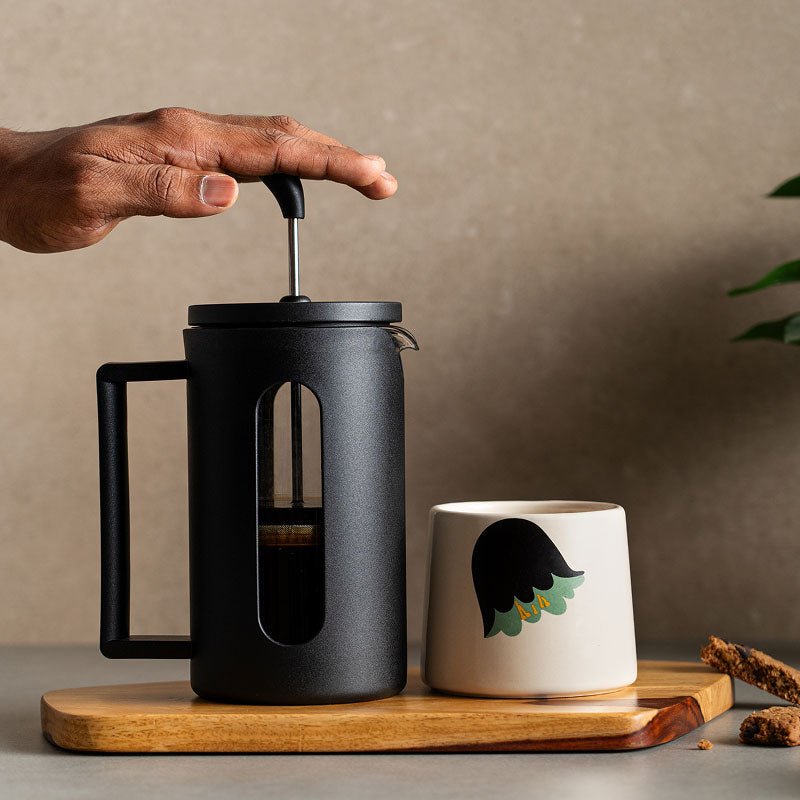
Pick the machine by the drink you make most often. If it is espresso, you need pressure. If it is cappuccino or latte, you need a steam wand. If it is black filter coffee, you need neither, and buying an espresso machine is money spent on capability you will not use.
That one decision narrows the field faster than any spec comparison, so start there and work outwards.
Which coffee machine suits the drink you actually make
Most people buy the wrong machine because they buy for the coffee they imagine making rather than the coffee they drink on a Tuesday morning.
|
If you mostly drink |
You need |
Machine type |
|
Espresso, black and short |
9 bar pressure, temperature stability |
Semi automatic espresso machine |
|
Cappuccino, latte, flat white |
Pressure plus a capable steam wand |
Semi automatic or bean to cup |
|
Several milk drinks, fast, for a household |
Automation and no waiting between drinks |
Bean to cup |
|
Black filter coffee by the mug |
Even water dispersion, no pressure |
Pour over, French press or drip |
|
One cup, minimum effort |
Consistency, nothing to learn |
Pod machine |
Be honest about the second column. A steam wand you never learn to use is wasted money, and a manual brewer you find fiddly on a weekday will sit in a cupboard.
Espresso machines: for short, intense coffee
An espresso machine forces hot water through finely ground coffee at around 9 bar, producing a 30 to 60ml shot with crema. Nothing else makes espresso, and no other method substitutes for it.
Semi automatic machines are where most home espresso happens. You grind, dose and tamp, the machine handles pressure and temperature, and the shot timing is yours. That balance is why it suits both beginners and people who stay with it for years, and the semi automatic espresso machines range covers the span from first machine to serious setup.
Two things decide whether an espresso machine is worth owning. Temperature stability, ideally with a PID controller, so the shot is the same every morning. And a non pressurised basket option, since pressurised baskets fake crema and stop rewarding you once your grinding improves.
Machines advertise 15 or 20 bar. That is the pump's rating, not what reaches the coffee, so treat a higher number as marketing rather than a quality signal.
Machines for cappuccino, latte and flat white
Milk drinks need everything an espresso machine needs plus a steam wand that produces dry steam and moves freely.
Wet, weak steam is the usual failure. It heats the milk without texturing it, so you get bubbles that collapse instead of the glossy microfoam that pours into a flat surface. A wand you can angle properly matters too, since the whirlpool that folds foam through milk depends on the tip sitting slightly off centre.
You have two routes here. A steam wand on a semi automatic machine gives you full control, takes a week or two to learn, and is what makes latte art possible. An automatic milk system on a bean to cup machine does it for you at a button press, consistently, with no skill required and no ceiling to grow into.
Neither is wrong. If milk drinks are a daily habit for more than one person, automation earns its cost. If you want to learn, the manual wand is the more rewarding buy.
Machines for black coffee
If black filter coffee is what you drink, an espresso machine is the wrong purchase. Filter methods extract slowly through a bed of medium ground coffee and produce a cleaner, lighter bodied cup that suits drinking by the mug.
Pour over gives you the most control and the cleanest cup, at the cost of five attentive minutes. A French press is the easiest method to get right, produces a heavier bodied cup with more texture, and needs no filters. A Moka pot sits in between, making something stronger and more concentrated on the stovetop.
All three cost a fraction of any machine, and for someone whose morning coffee is black, they produce a better result than an entry level espresso machine ever will.
How to choose a coffee machine for home
Five things decide it, in the order they matter.
Brewing method. Settled by the drink you make most, as above.
Grinder. No machine compensates for a bad grind, and this is the most common expensive mistake. Espresso in particular needs a fine, adjustable, consistent grind that only a burr grinder delivers, so budget for a coffee grinder rather than putting everything into the machine.
Counter space. Measure the footprint and the height under any overhead cabinet, since most machines fill the water tank from the top. Anything above 10kg needs a permanent home near a socket.
Maintenance. Every machine needs wiping daily, backflushing weekly and descaling monthly. Check the drip tray comes out, the group gasket is reachable, and the machine takes a blind basket.
Service and spares. An espresso machine is a repairable appliance, not a disposable one. Pumps, gaskets and shower screens all wear out, and a machine you can get serviced will outlast one you cannot.
How much does a coffee machine cost in India
Prices vary far more by category than by brand, so decide the category first and the budget follows.
|
Machine type |
Range at Something's Brewing |
|
Semi automatic espresso |
Budan Classic at Rs. 8,399 up to Lelit Bianca from Rs. 2,69,299 |
|
Fully automatic |
Rs. 15,299 to Rs. 1,59,000 |
|
Bean to cup |
From Rs. 30,000 |
Whatever the total, hold back a portion of it for the grinder. A mid priced machine paired with a good grinder beats an expensive machine with whatever grinder is left over, every time.
What each machine type can actually make
Espresso machines with a steam wand cover the full cafe menu: espresso, americano, macchiato, cappuccino, latte, flat white and mocha. All of them start from the same double shot, 18g of coffee in and roughly 36g out over 25 to 30 seconds, and differ only in how much milk and foam goes on top.
Bean to cup machines cover the same list at a button press, minus the ability to adjust the shot itself.
Manual brewers make black filter coffee and nothing else, though they do it better than any espresso machine can.
Milk temperature is the variable most people get wrong on any of them. Past 70 degrees Celsius the proteins break down, the natural sweetness disappears and the foam turns coarse, so stop steaming at 60 to 65 degrees. A properly sized milk pitcher makes the pour far easier to control. If you are choosing between the milk drinks themselves rather than the machines, the guide to latte vs cappuccino breaks down the ratios in detail.
Which coffee machine is best for home use in India
Buy a semi automatic espresso machine if you drink espresso or want to learn milk texturing. Buy a bean to cup machine if a household wants milk drinks fast with no learning curve. Buy a manual brewer if your daily cup is black.
Brand choice matters less than category, but it is worth knowing what is actually available here. Something's Brewing carries over thirty brands, including Budan, De'Longhi, Philips, Nespresso, Lelit, Rancilio, La Marzocco, Bellezza, Flair and Fellow, which covers everything from a first machine to commercial grade equipment in a home kitchen.
If you would rather try before deciding, the Coffee Experience Centre lets you test machines and sample beans in person, at the Indiranagar store in Bengaluru or the Vesu store in Surat. Otherwise the home coffee machines range is the place to compare what each type does. Whichever way you go, put real money into the grinder and buy fresh coffee beans with a roast date, because those two decide more about the cup than the machine does.